


Image credit: Carmen Denman Hume / Wellcome Sanger Institute.
We are in the seventh global cholera pandemic, which has been going on since the early 1960s. But what is cholera, and why is it still a global issue? Lia Bote, PhD student at the Wellcome Sanger Institute, answers our questions about the past, present, and hopefully the future of cholera research.
Cholera is a treatable disease, but one that is still fatal in many parts of the world. And due to climate change, rising sea levels, and human conflict, cholera is showing no signs of slowing down its transmission. Lia Bote, a PhD student in the Parasites and Microbes programme at the Sanger Institute, talks to us about how studying the evolution of cholera-causing bacteria at a genetic level could help pave the way towards a future without cholera.
What is cholera, what causes it, and why is studying it important?
Cholera is a diarrhoeal disease caused by Vibrio cholerae, a Gram-negative, comma-shaped bacterium. The symptoms are most commonly acute watery diarrhoea – referred to as rice water stool – and severe dehydration. You would normally treat it with rehydration therapy, either oral or intravenous. Antibiotics are only really used in very severe cases, or in people who are immunocompromised or have other conditions.
A lot of people think of cholera as an ancient disease, but that’s not true; we are currently in our seventh global cholera pandemic, caused by a lineage we refer to as the seventh pandemic El Tor, which has been going on since 1961.
Cholera is transmitted through the faecal-oral route, meaning it spreads when contaminated food or water is consumed. If not treated properly, or if sanitation practices are insufficient, it can spread quickly from person to person.
One of the first times this was described was during a cholera outbreak in London in the 1850s, when John Snow famously traced the outbreak to one water pump in London, developing some of the principles that we use to track infectious disease today. Although cholera has largely been eliminated in England and throughout Europe, it is still very common in other parts of the world, such as Africa, South Asia, and the Middle East. While accurate reporting is difficult, it is estimated that 1.3 to 4 million people get cholera per year, with up to 143,000 losing their lives worldwide.1

There has also been an uptick in cases in the past few years, influenced by global factors such as increased flooding linked to climate change, as well as conflict-related disruption to healthcare systems, water and sanitation infrastructure, access to clean water, and the displacement of large populations.
By improving our understanding of how cholera-causing bacteria spread, how to track them, and how to effectively stop transmission, we can help save lives and move closer to ending this decades-long pandemic.
What are some of the challenges surrounding cholera research and treatment?
There are a few challenges when it comes to cholera, both scientifically and practically. Climate change and conflict are big ones. They can overwhelm or destroy healthcare systems, meaning that it is not always possible to treat cholera outbreaks, roll out vaccines, or provide the supplies needed. This can also impact research, as you need samples to track where the bacteria are, what strain they might be, and if they have changed in any way. For example, if they have picked up any drug-resistant genes or any genetic elements that could change treatment.
Additionally, access to clean water is essential for both preventing and treating cholera. If the bacteria are in the water, it needs to be boiled or treated before it can be used. In some countries, droughts are an issue, both because of the lack of drinking water and also because certain regions depend on hydroelectric power, which cannot produce electricity in a drought. This means that people cannot boil water in their homes, and that some water treatment plants may be disrupted. These factors make it difficult to prevent and treat the spread of disease.
The current vaccine is about 60 per cent effective, due to difficulties in creating effective vaccines for disease that affect the gut, the evolution of cholera bacteria, and how malnutrition impacts vaccine effectiveness. Therefore, a major challenge is developing and producing a more effective vaccine that can get to those who need it. We know that our current vaccine is not as long-lasting as natural immunity, and there is research going into why this might be and how we can translate this.
Developing these vaccines can be challenging as the bacteria go into the mucosal layer of the gut, so the vaccine has to be able to reach this tissue, survive the harsh conditions, and then stimulate an immune response in these cells. This is different to injected vaccines that target the blood stream as these can be delivered directly to where the immune cells are. Another challenge is getting samples of immune cells in the gut, which are harder to acquire than a blood sample.
How are we contributing to cholera research at the Sanger Institute?
We have teams working with collaborators in many regions of the world to help understand more about different parts of cholera research. I work with Dr Caroline Chisenga and Harriet Ng’ombe at the Centre for Infectious Disease Research in Zambia. Dr Chisenga’s group has studied the immune response to cholera infection and vaccination in the context of Zambia’s vaccine rollouts during cholera outbreaks. We are working together to try to understand more about why natural infection gives more protection than what is covered by the vaccine.

Harriet Ng'ombe and Lia Bote discussing their cholera genomics project at the Wellcome Sanger Institute. Image credit: Carmen Denman Hume.
To do this, we are looking at the differences between the immune response to natural infection versus vaccination in an endemic population. When I was in Zambia, we collected serum – the acellular component of blood – and memory immune cells from community health clinic patients who have had cholera and those who had been vaccinated to analyse their long-term immunity. We then brought these samples back to the Institute to conduct single-cell RNA sequencing. This approach allows us to see gene expression in each cell, whether there are similarities or differences between people with different exposures, and how these correlate to the level of immune protection they have.

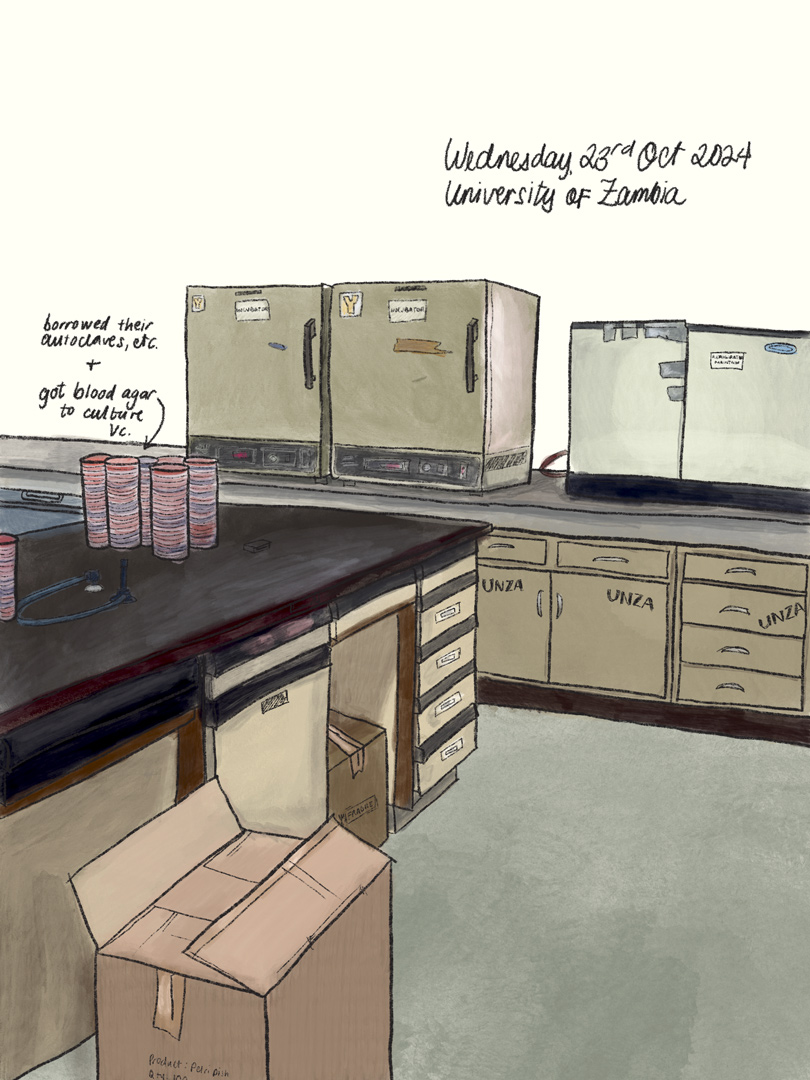
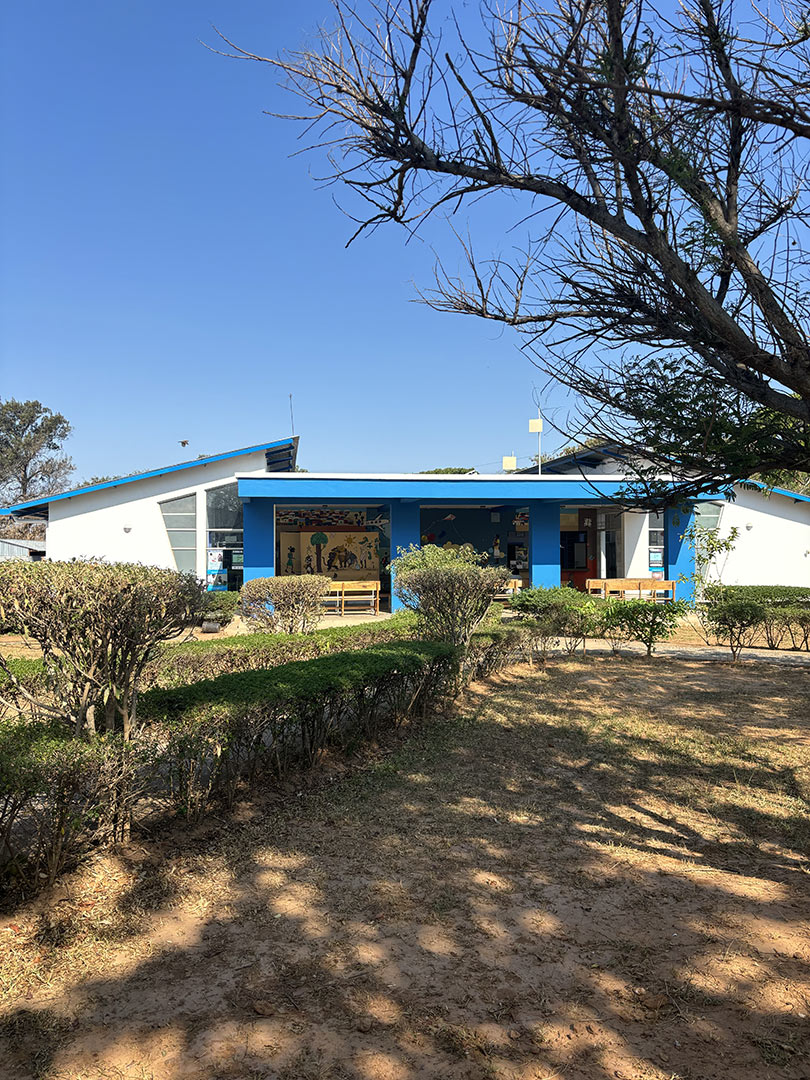
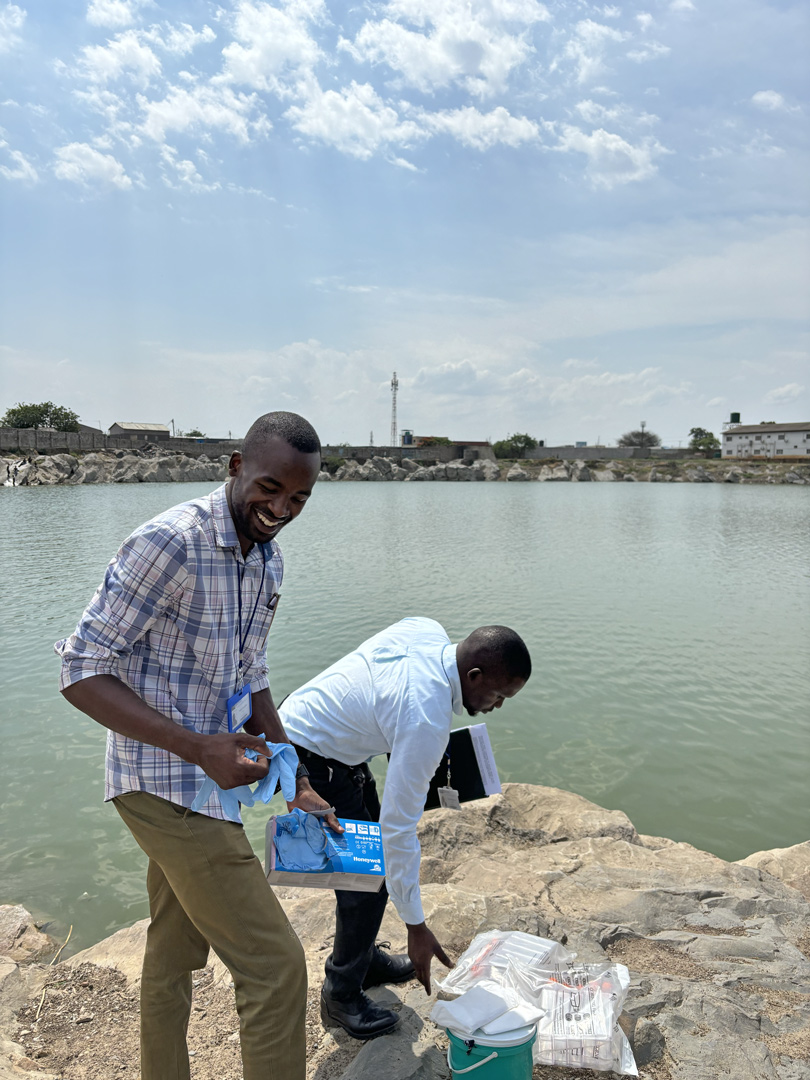
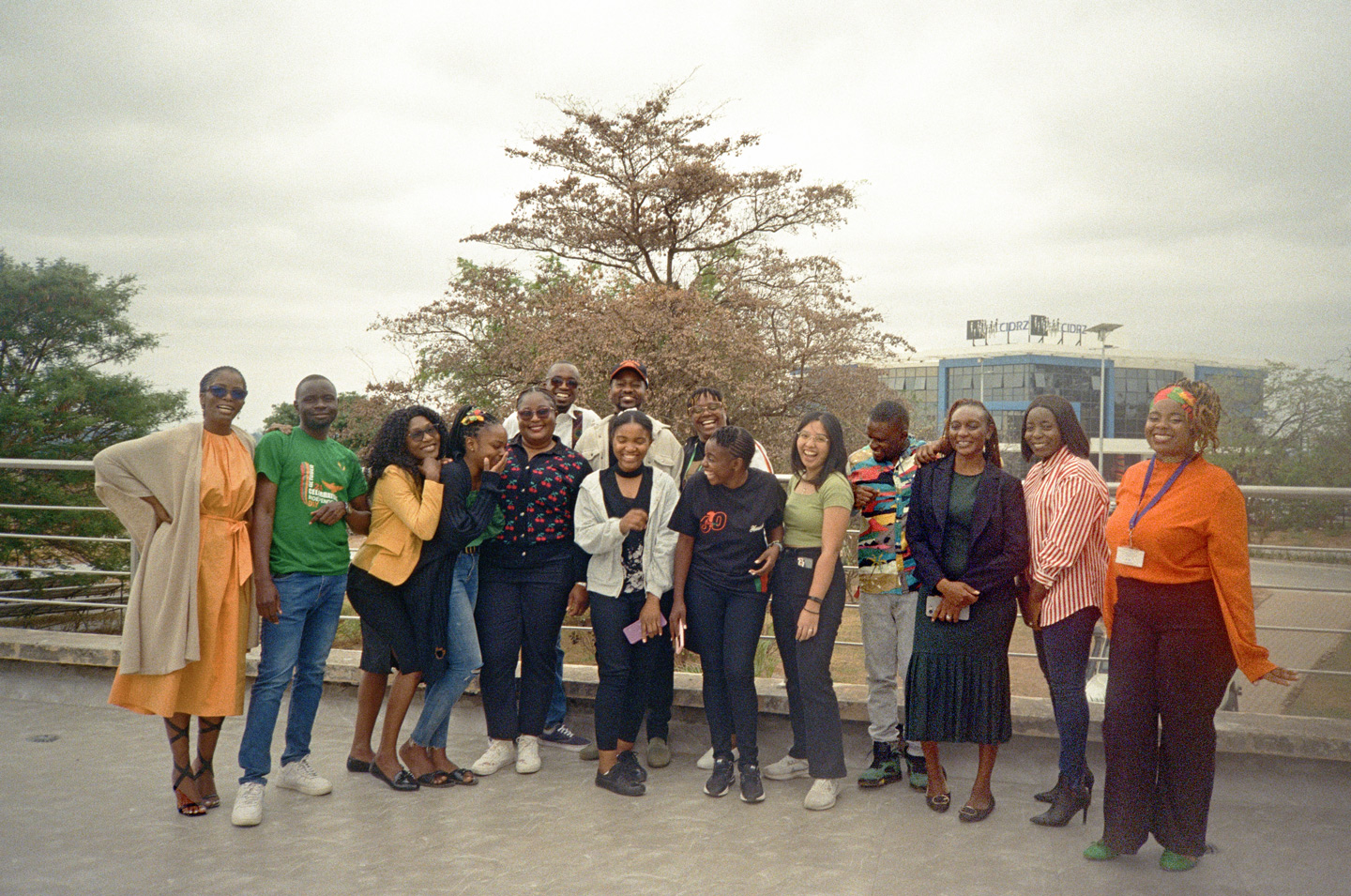
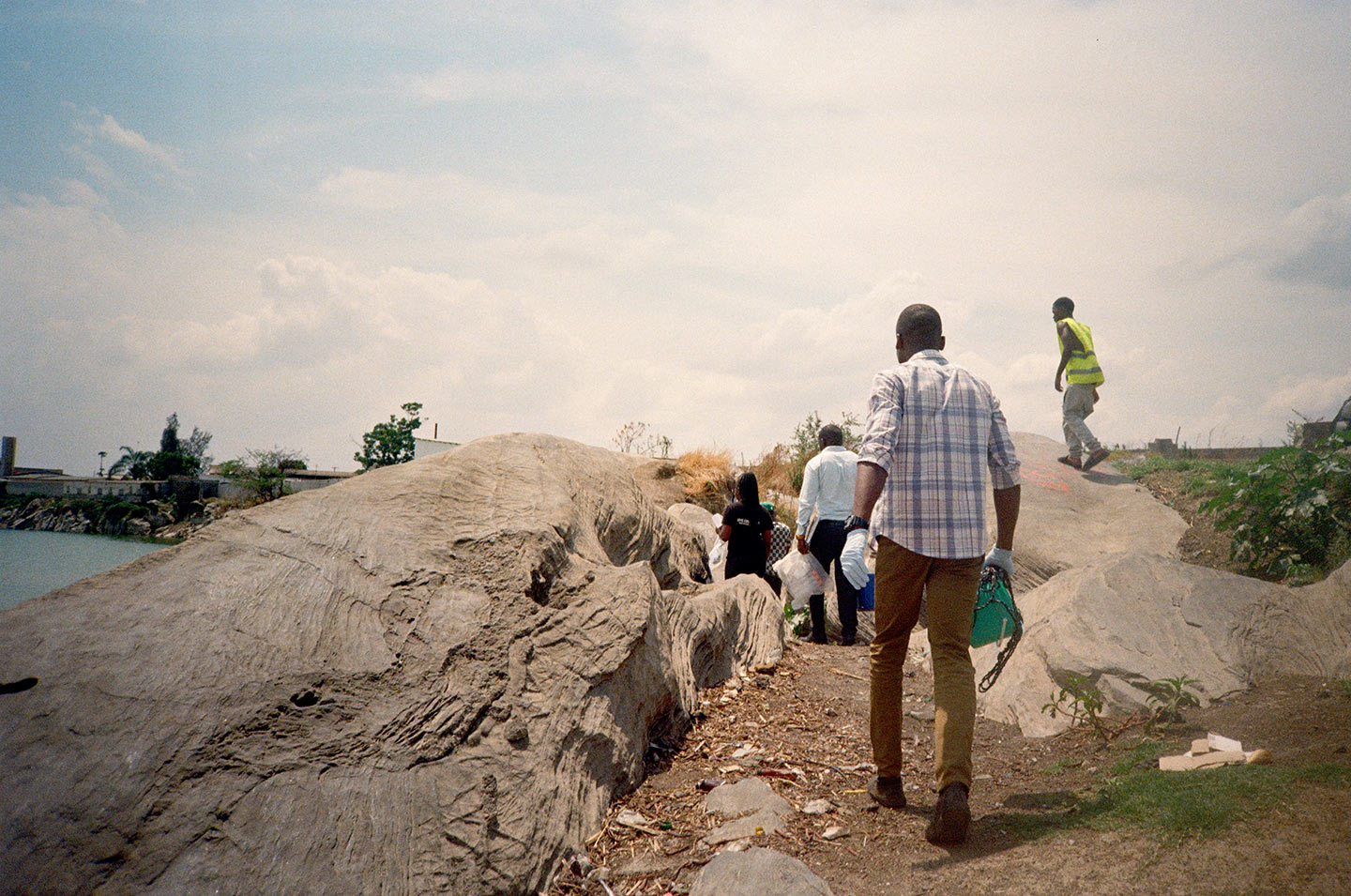
Lia working with Dr Caroline Cleopatra Chisenga's research group at the Centre for Infectious Disease Research in Zambia Limited (CIDRZ). Images credit: Lia Bote.
In addition to this, it’s also key to know about how environmental and human factors can interact to lead to a resurgence or spread of the bacteria. Historically, there has been a seasonal pattern of outbreaks in certain regions such as Bangladesh, leading many to associate cholera as an environmental bacterium. Some of my colleagues at the Institute, such as Dr Nisha Singh and Dr Archana Madhav, are working with collaborators, including those at the icddr,b (International Centre for Diarrhoeal Disease Research, Bangladesh) and PGIMER (Post Graduate Institute of Medical Education & Research), and using genomics to investigate this, track the spread of different strains, and understand what bacterial evolution could mean for future public health interventions.
Genomic evidence from the last decade or so has shown that all of the bacteria driving the current cholera pandemic come from a single lineage. The seventh cholera pandemic has been ongoing for over 60 years, and every bacterial genome sequenced from someone with cholera during this pandemic is genetically very similar and changes at a similar rate. This is not consistent with cholera being seeded independently in lots of different countries. If the cholera that people are experiencing in outbreaks in Africa is almost genetically identical to the cholera that people are experiencing in outbreaks in South Asia, it can’t just be linked to the environment; instead, human-to-human transmission must be essential. Genomics is key to tracking and comparing the bacterial samples to understand how the bacteria are spreading and how to stop them.
Genomics is also needed to identify if any other strains could become high-risk to humans in the future. While there is one V. cholerae lineage that is causing this current pandemic, there are lots of other lineages within the V. cholerae species. Therefore, having a test for V. cholerae in general is not sensitive enough, we need tests that pick up certain biomarkers for pandemic cholera in an outbreak setting. We are working to genetically define different cholera lineages, understand how they evolve, and assess whether other strains have disease potential – and what factors might drive this – to help plan for the future.

What new tools and approaches are needed to understand and track cholera?
At the Sanger Institute, we have access to a wide range of tools and approaches, such as using single-cell RNA sequencing to scope out the immune landscape of people who have been exposed to cholera. Our access to different genomic technologies – for example through long-read sequencing or metagenomics – also allows us to dive into the evolution of different bacterial lineages by looking at what genes and mobile genetic elements they carry, what bacteria can co-occur in different niches, and how they may be interacting with each other.
We also have the privilege of working with global collaborators with expertise in different areas of cholera and infection biology. Given this, we hope to democratise genomics so that researchers can genomically investigate and analyse samples in their own labs. For example, my colleague Dr Jolynne Mokaya, Public Health Research and Engagement Lead at the Sanger Institute, is coordinating a community of cholera experts to advance control efforts integrating genomics as appropriate. All of this is necessary if we are to end the global cholera pandemic.

What are your hopes for the future of cholera research?
Being able to democratise genomic tools so that scientists and local experts across the world can understand, analyse, and stop the spread of cholera.
Science, specifically infectious disease research, is influenced by global circumstances, but requires local solutions. Disease doesn’t exist in a bubble, and we have to understand it in context with what is happening in the world, to make sure that suggestions on how to tackle disease are most relevant. For example, can medicines or resources get to where they need to go?
To do this, we have to create tools and share knowledge that enable local communities and experts to tackle cholera outbreaks. My hope for the future is that, as a scientific community, we will build local sequencing hubs throughout cholera endemic areas and that this knowledge will be shared equitably and collectively to help inform research worldwide.
Scientifically, I think there are lots of exciting projects happening to keep pushing this work forward. I look forward to seeing how our genomics work helps inform public health in the future, through understanding the evolutionary and transmission dynamics of V. cholerae in real-world settings.
Find out more
- Parasites and Microbes programme at the Wellcome Sanger Institute
- icddr,b (International Centre for Diarrhoeal Disease Research, Bangladesh)
- PGIMER (Post Graduate Institute of Medical Education & Research)
Reference
- World Health Organization. Cholera. December 2025 [Last accessed March 2026]


