


Image credit: Aidan Maartens / Wellcome Sanger Institute
Scientists and parents involved with a pioneering childhood cancer charity recently came together to discuss the future of research into the childhood cancer rhabdomyosarcoma, from its genetic causes to treatment innovations. A promising new project - co-designed by researchers and families - will now mine hundreds of biobank samples to understand the genomic and demographic factors governing how a child responds to treatment.
Rhabdomyosarcoma is a childhood cancer of soft tissues like muscle. It can appear in different parts of the body and at different times during development, leading to a wide variety of subtypes in affected children. Thanks to advances in detection and treatment, childhood survival has greatly improved in recent decades. However, certain subtypes remain refractory to treatment, relapses have poor prognosis, and even when successful, treatments can be traumatic and have long-lasting effects on the child’s health.
One of the main barriers to improving rhabdomyosarcoma outcomes is a lack of understanding of its underlying genetic and molecular causes. Whole genome sequencing of tumour samples has provided a huge boost to these efforts, but a lot more needs to be done, according to Professor Sam Behjati, a paediatric oncologist and Group Leader in the Cellular Genetics Programme at the Sanger Institute.
Identifying cancer-causing mutations in childhood tumour genomes is a vital task. For rhabdomyosarcoma, we know many of the ‘usual suspects’ of causative genes, but many other mutations remain entirely mysterious. We are also largely in the dark about how any given mutation will dictate treatment response. This is where our collaboration with Alice’s Arc is making such a difference."
Professor Sam Behjati,
Paediatric oncologist and Group Leader in the Cellular Genetics Programme at the Wellcome Sanger Institute
Established in 2015 by Sara and David Wakeling, Alice’s Arc is a charity dedicated to finding a cure and better treatments for rhabdomyosarcoma by raising money for research. The charity also acts as an international network of support, information and advocacy. Children and families are at the heart of its mission - parents can create individual ‘Arcs’ which honour the journey of the child and act as a platform for fundraising. The charity has established strong connections with hospitals and research institutes such as the Sanger Institute, and has funded multiple projects that Sam has been involved with.
1
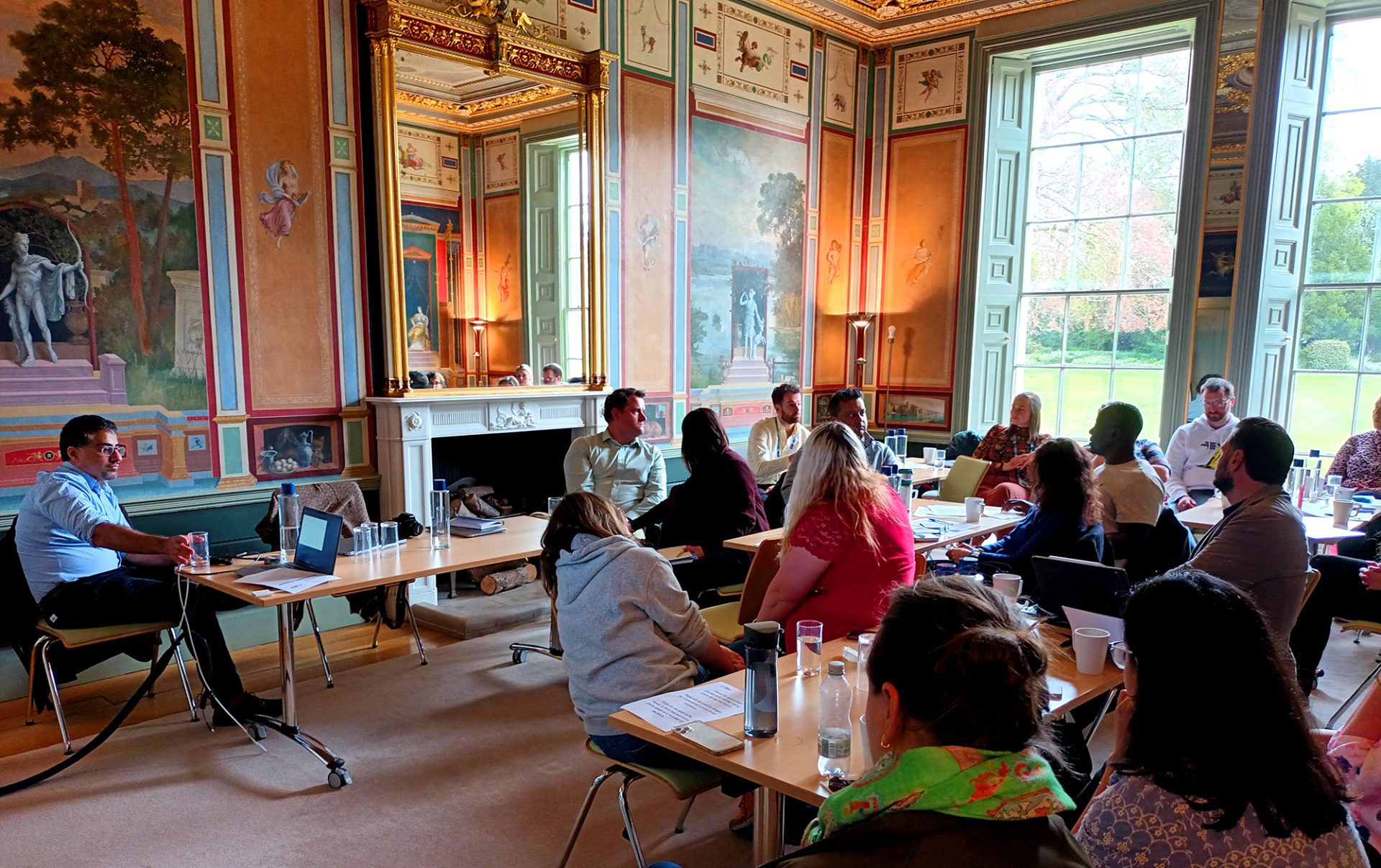
Parents and scientists in discussion in the Pompeiian Room, Hinxton Hall Conference Centre.
At a recent event held at the Wellcome Genome Campus, the cofounders of Alice’s Arc and families involved with the charity met with researchers and clinicians whose research they fund. Talks covered the latest developments in rhabdomyosarcoma research, including Sam’s overview of the genomic analysis of tumour samples and Professor Karin Straathof (UCL) who described her team’s ventures into designing immunotherapies specifically for rhabdomyosarcoma. During the talks, parents were able to ask the researchers questions about the underlying science and treatment options, while providing their own perspectives and priorities for future research.
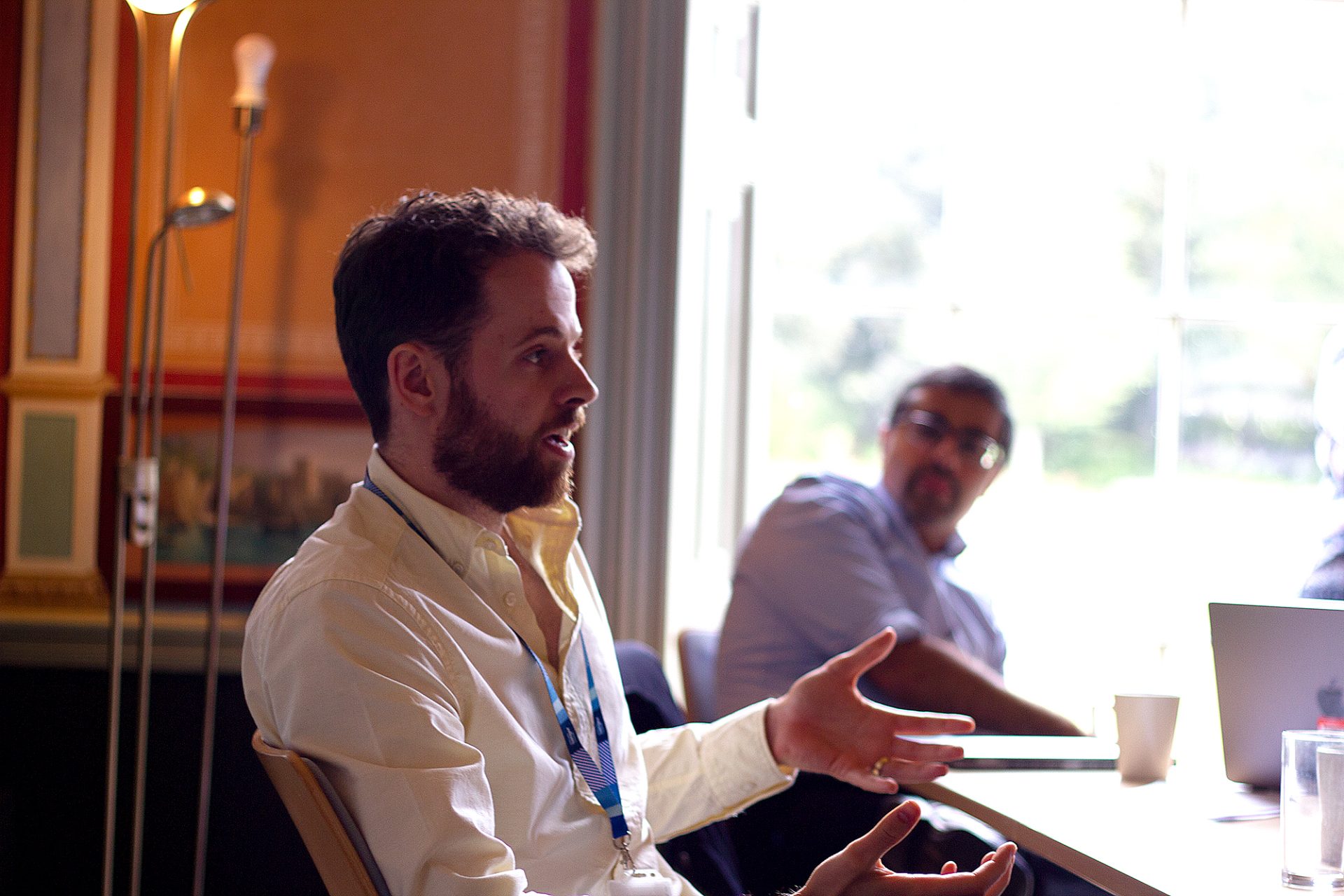
A recent project was launched by Alice’s Arc in response to a frustration keenly felt by many parents in the room: when tissue samples taken from their children are not fully utilised to drive forward our understanding of disease. The new project will analyse samples from over 500 children going back two decades that have been stored in a tissue biobank. By comparing the molecular profile of each sample with detailed patient history including treatment response, this will create a unique resource to associate genome sequences with treatment outcomes and demographic information. The project was designed in collaboration with parents, and is being undertaken by a team including Dr Jonny Kennedy, a paediatrician who works at Great Ormond Street Hospital and the Sanger Institute.
2
Dr Jonny Kennedy gives a progress report on the new biobank project.
“Genomic research is hugely dependant on good clinical annotation, yet achieving this can be a significant challenge. The targeted funding provided by Alice’s Arc has galvanised a national effort to create a world class genomic dataset in paediatric rhabdomyosarcoma, which I hope can serve as a case study for other childhood cancers. It was such a privilege to meet families from Alice’s Arc, and I was particularly impressed by the great importance they placed on ensuring collaboration and data-sharing, something we also believe strongly in here at Sanger."
Dr Jonny Kennedy,
Paediatrician at Great Ormond Street Hospital and the Wellcome Sanger Institute

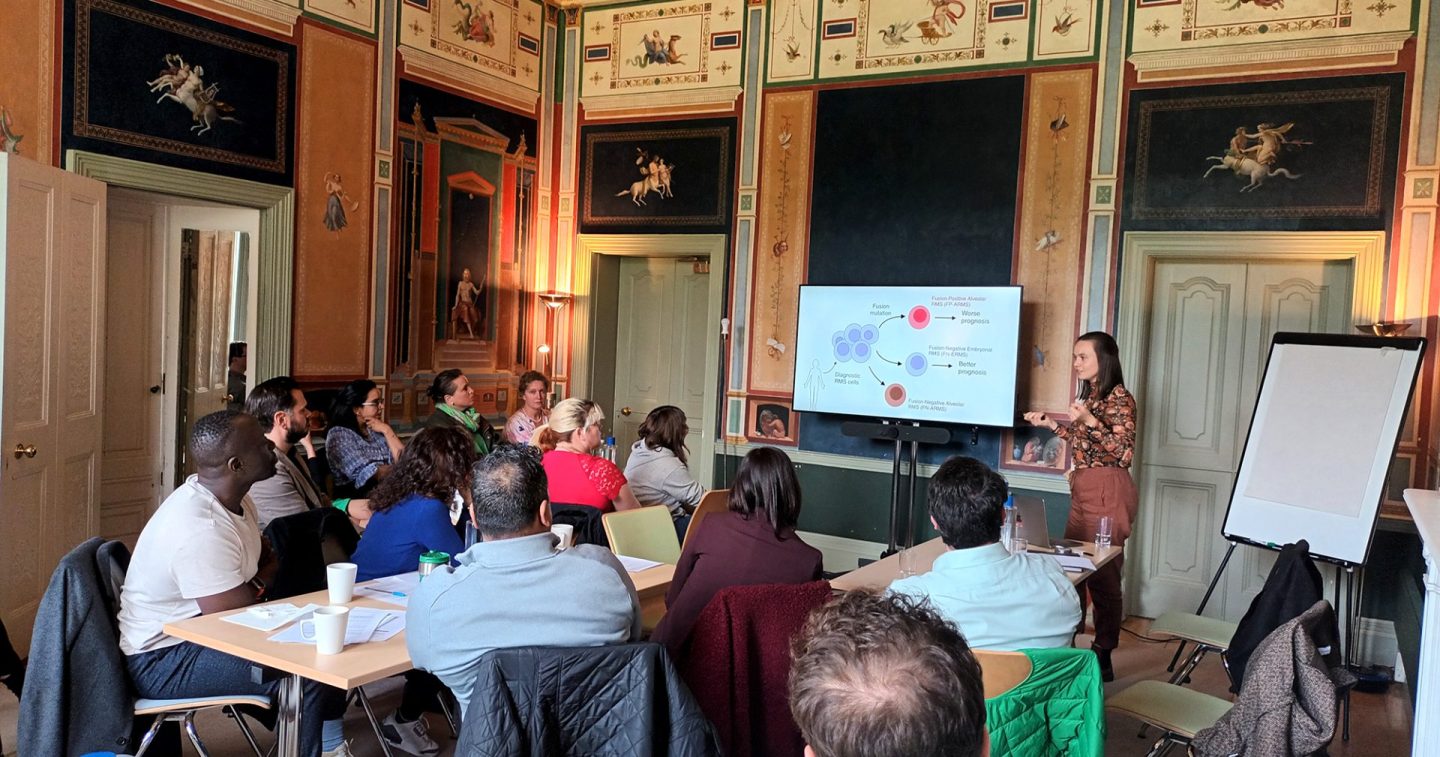
Another key theme discussed on the day was that there is still so much to learn about the basic biology underlying rhabdomyosarcoma, which is a prerequisite for earlier diagnosis and tailored treatments. To help bridge this gap, Holly Whitfield, a postdoctoral fellow in Sam’s team, introduced her work using single cell RNA sequencing to understand the cellular diversity of tumour cells, and her aim to link this information to how tumours respond to treatment.
3
Dr Holly Whitfield shares her single cell view of rhabdomyosarcoma.
“As a non-clinical scientist, speaking with parents was a very new experience for me and I found it illuminating. We were able to create a space for parents to describe their experiences, ask questions about how science operates, and to see what science we can do with their funding. Everybody was so engaged and curious, and we all left feeling really inspired."
Dr Holly Whitfield,
Postdoctoral Fellow, Behjati research group, Wellcome Sanger Institute
4
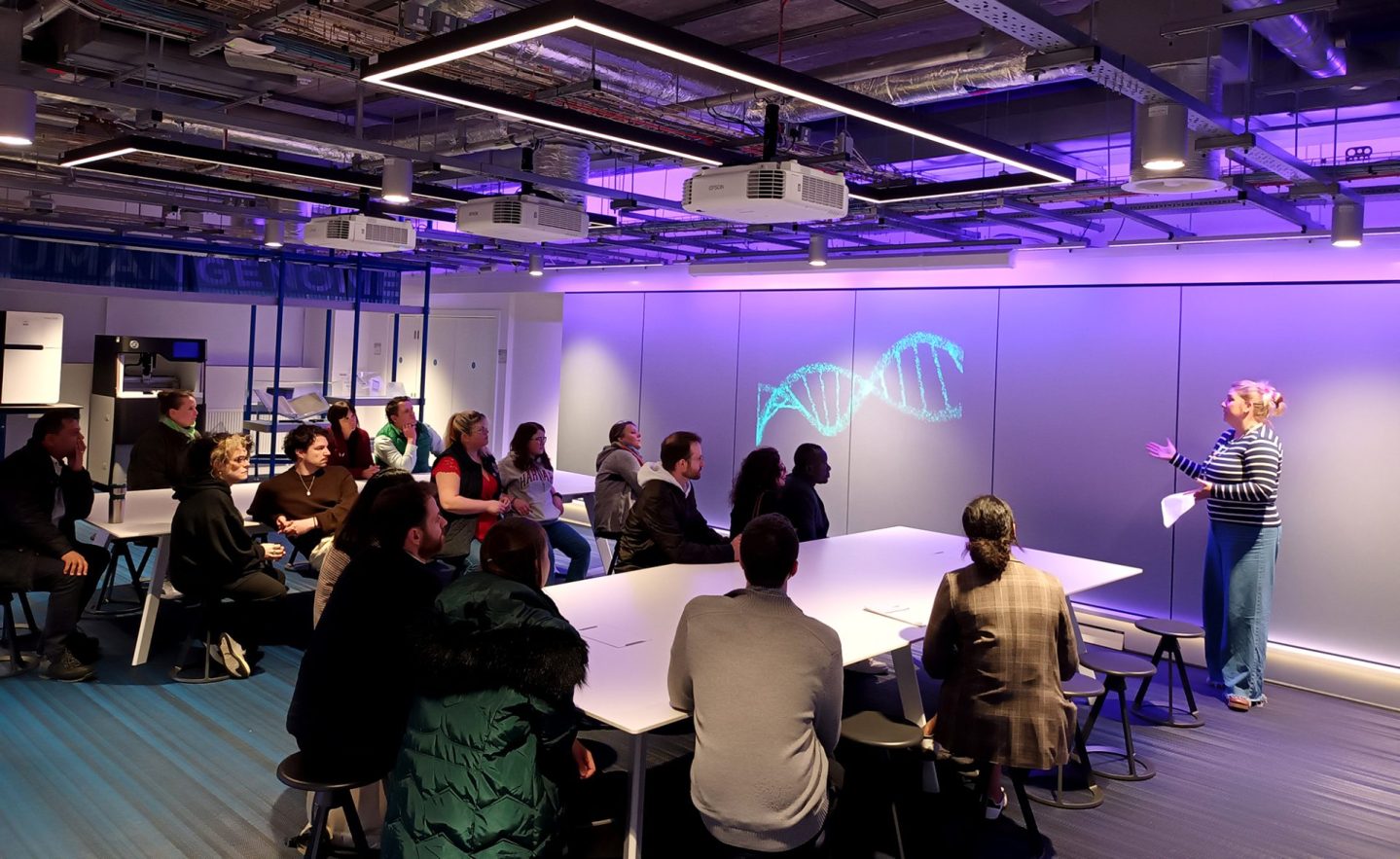
Parents learn about the history of DNA sequencing as part of their campus tour.
After the talks, the families were taken on a tour of the Sanger Institute to learn about the history of genome sequencing and how it works. For Sara Wakeling, the day epitomised her charity’s approach of deep engagement with the kind of science that happens at Sanger.
5
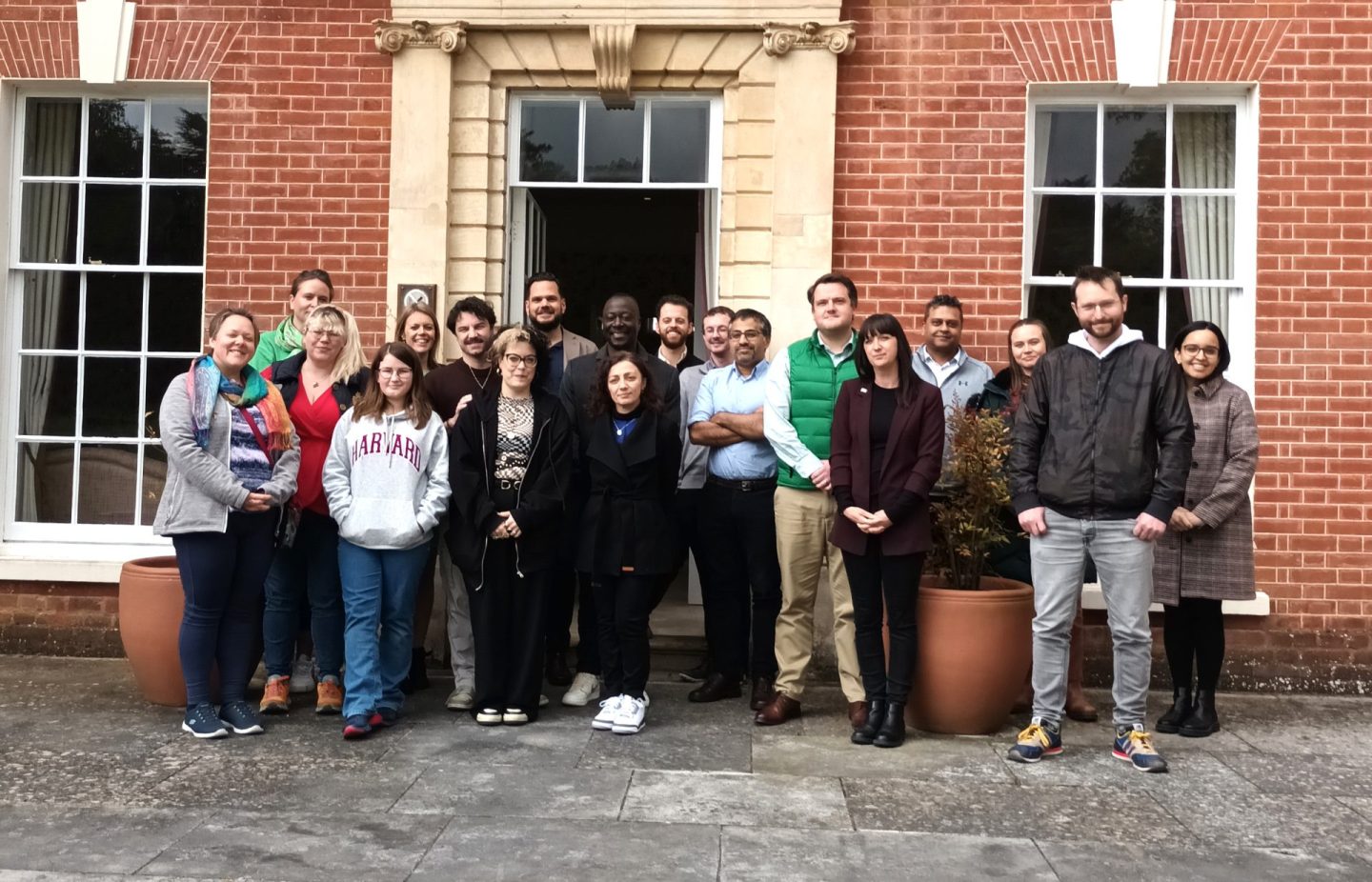
Group photo, outside Hinxton Hall.
“It was a fantastic opportunity to bring two different communities together who usually don’t get a chance to interact that much. The scientists and clinicians got to understand the families’ priorities, while the families got a chance to dig deep into the science. This was helped by the very open atmosphere on the day created by Sam, Karin and colleagues."
Sara Wakeling,
Co-founder of Alice's Arc
Alice’s Arc continues to raise money and engage with researchers to understand how their money can best be spent to cure rhabdomyosarcoma. They demonstrate how a relatively small, focused charity can transform research into a disease that can have such a huge impact. And as the visit showed, engagement of scientists with children and their families is a vital part of this process.
Find out more
- Learn more about Alice’s Arc
- Discover more about the research in Sam Behjati’s lab


