


Image credit: Garnett Group / Wellcome Sanger Institute
Tiny organs, big story. We explore how our organoid biobank came to life – from building long-lived models to making data openly available to the research community.
Tiny organs might sound like science fiction, but they are transforming how we study disease. Organoids are miniature, 3D models grown in the lab that mimic real organs and are derived from patient tissue. They give researchers a powerful window into biology and can be used to study disease, test treatments and uncover insights that could have real-world impacts.

At the Wellcome Sanger Institute, researchers in the Somatic Genomics programme have completed a major collaborative project and recently published a paper in Nature presenting their new organoid biobank. The single largest of its type, the paper outlines the resource, including the 256 tumour organoids, the genomic and transcriptomic data of all the models, and CRISPR gene essentiality data (genes required for cell survival or growth) for 162 of the organoids. This new, openly available resource is the first comprehensive look at which genes are essential in these patient-derived organoids, which can be important for drug discovery. By expanding the diversity of models studied, it gives researchers deeper insight into how cancers function and supports more personalised approaches to treatment.
An international biobanking enterprise
Since 2014, Group Leader Dr Mathew Garnett and his team have been part of the Human Cancer Model Initiative (HCMI), an international consortium of research groups across the United States and Europe. The initiative set out to create as many high-quality organoids as possible – and in doing so, sparked the team’s multi-year journey towards developing the organoid biobank.
To build the biobank, the team partnered with five hospitals across England and Scotland, who agreed to share patient samples with the Institute to generate organoids. All patients provided informed consent for their clinical data and tissue to be used. Fresh tumour tissue was rapidly shipped to the Institute, and once received, was carefully broken down by our highly skilled technical teams. The cells were then placed into a specialised growth medium – optimised for each cancer type – and carefully supported to grow into organoid cultures. For some organoids, this process took only days – on average 177 – while others took as long as 555.

The Garnett research group. Dr Carmen Herranz-Ors is the first person the left, and Dr Mathew Garnett is in the front row wearing blue shorts. Image Credit: Wellcome Sanger Institute.
In addition, the team sequenced the organoids, along with patient blood samples and the original tumours. Having these genetic data provides an important reference, allowing researchers to directly compare how closely the models match patient tumours, and critically, to connect differences in their biology and drug sensitivity with underlying mutations in their DNA and changes in gene expression.
A key strength of the biobank is that the organoids are long-term models: meaning they can be stored, revived and grown again for future studies. This allows them to be shared widely, supports data reproducibility and enables researchers around the world to work from a shared resource, collectively accelerating research progress.
“It took over ten years, a network of five hospitals and more than 50 scientists and clinicians across the country, and an enormous amount of perseverance to get here. I joined midway through the project, which gave me a real appreciation for the hard work involved. There was no shortage of challenges – samples had to be urgently couriered to the Institute every time there was a surgical resection or a biopsy, and all of this kept going even during the Covid-19 pandemic. But seeing the biobank fully available now is hugely rewarding and makes it all feel worthwhile.”
Dr Carmen Herranz-Ors,
Principal Bioinformatician in the Garnett Group, Wellcome Sanger Institute
An enabling resource
In the paper, published in Nature alongside two other papers – a flagship paper from the HCMI consortium and a paper presenting the Broad Cancer Dependency Map – the team reported on 256 organoids derived from five cancer types: colorectal, oesophageal, pancreatic, stomach and ovarian. The researchers showed that the organoids closely match real human tumours, making them excellent new tools for research and to help tackle some of the deadliest forms of cancer.
The biobank expands the range of available models, especially for cancer types or rare molecular profiles that are poorly represented in current 2D cell lines. They also provide more reliable genetic data by allowing direct comparison with patient blood samples – something that is not possible with existing cell lines. Because organoids grow in 3D and better reflect tumour structure and diversity, they are often more similar to real patient tumours than traditional 2D cell lines. This makes them a particularly powerful tool for studying tumour heterogeneity, which often underpins variable treatment responses in patients, using single cell sequencing technologies.
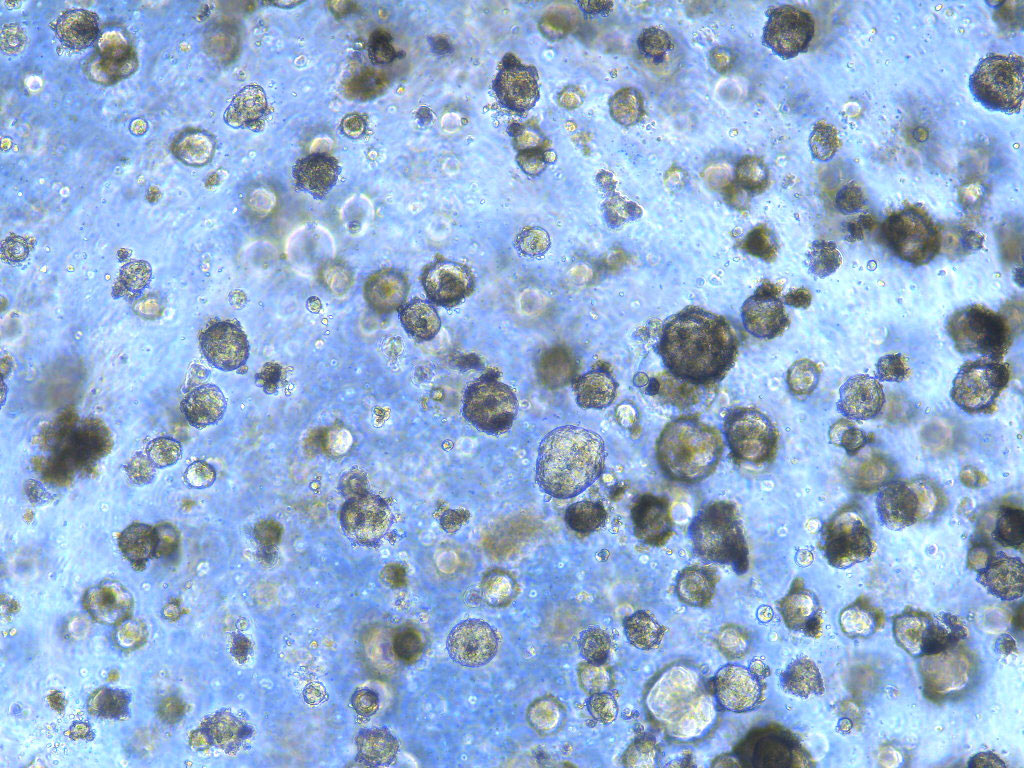
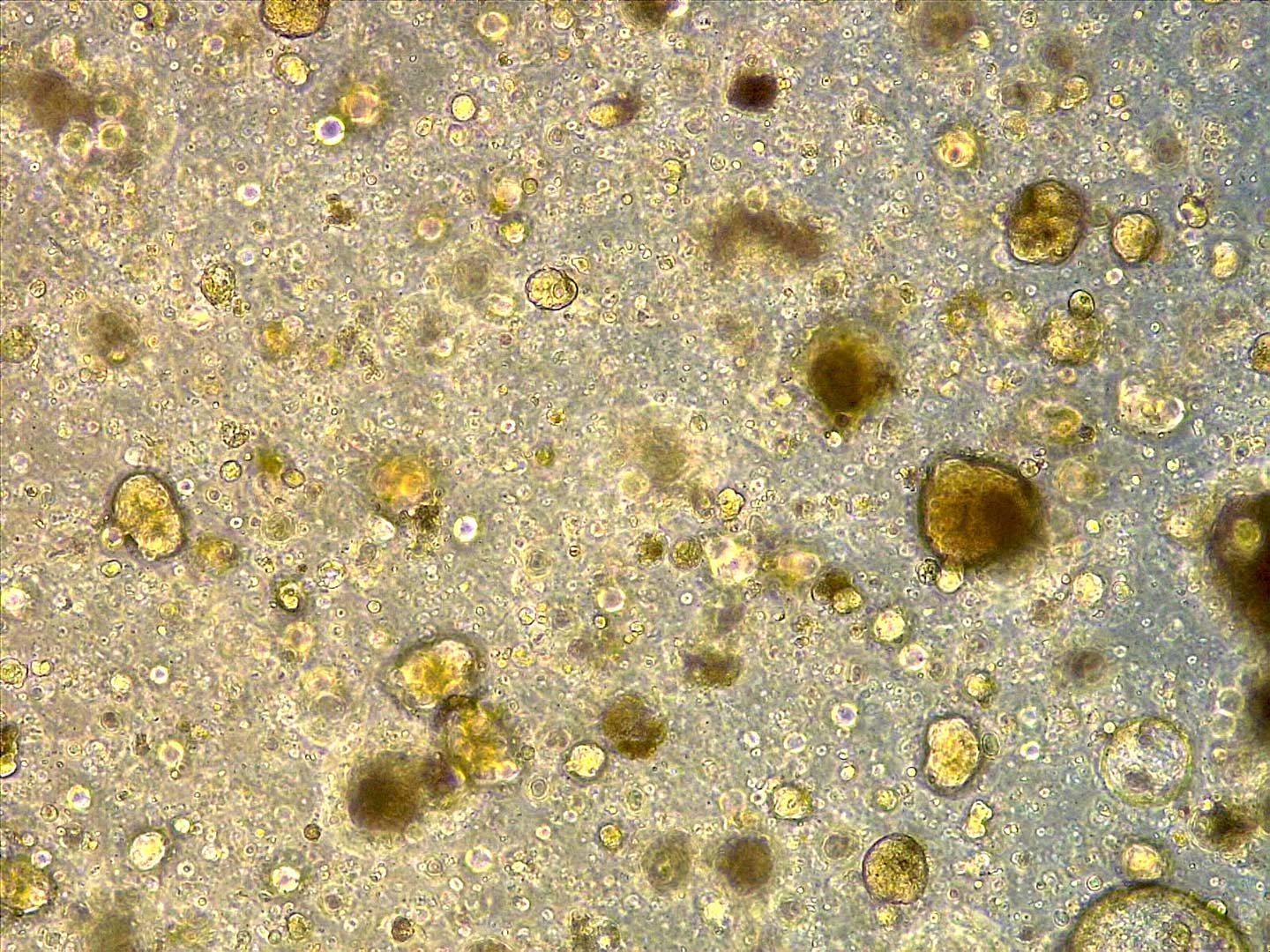
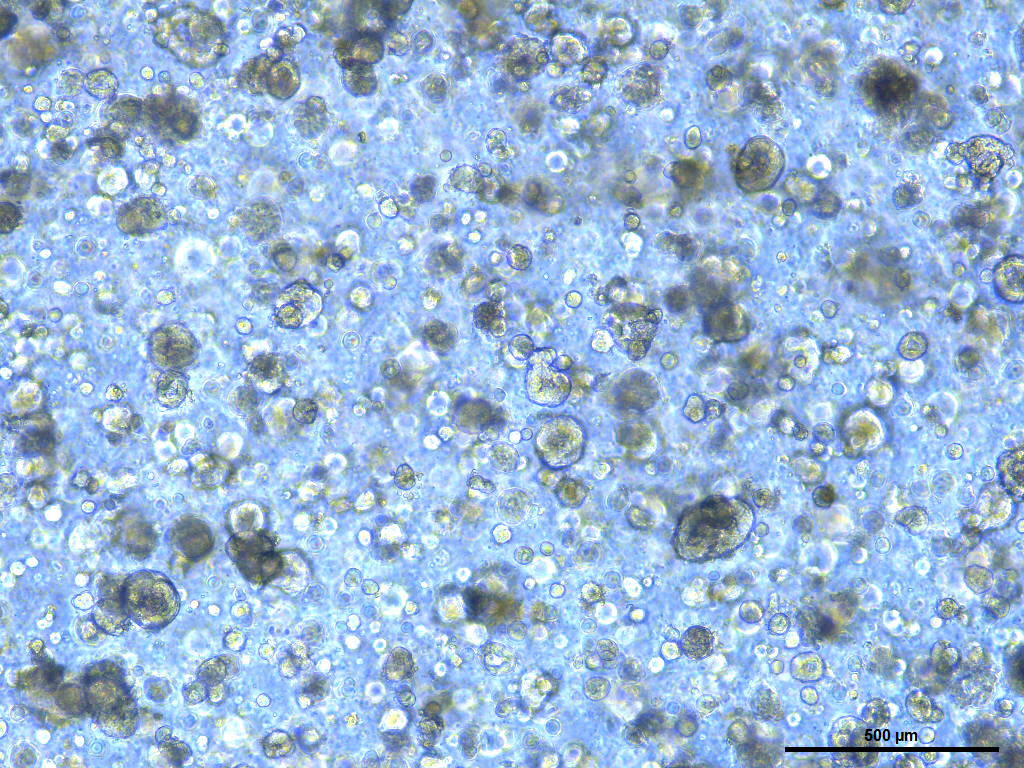
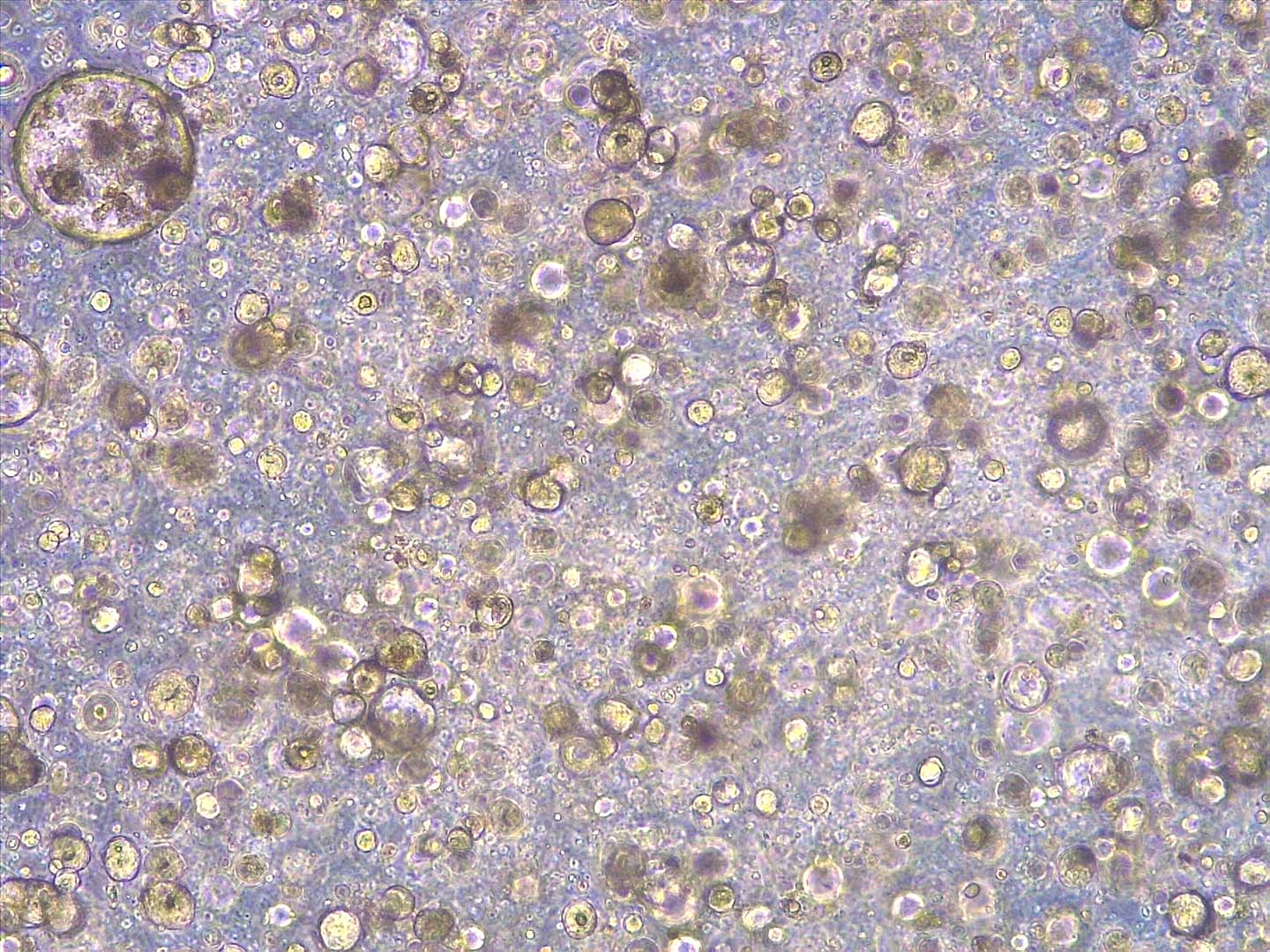
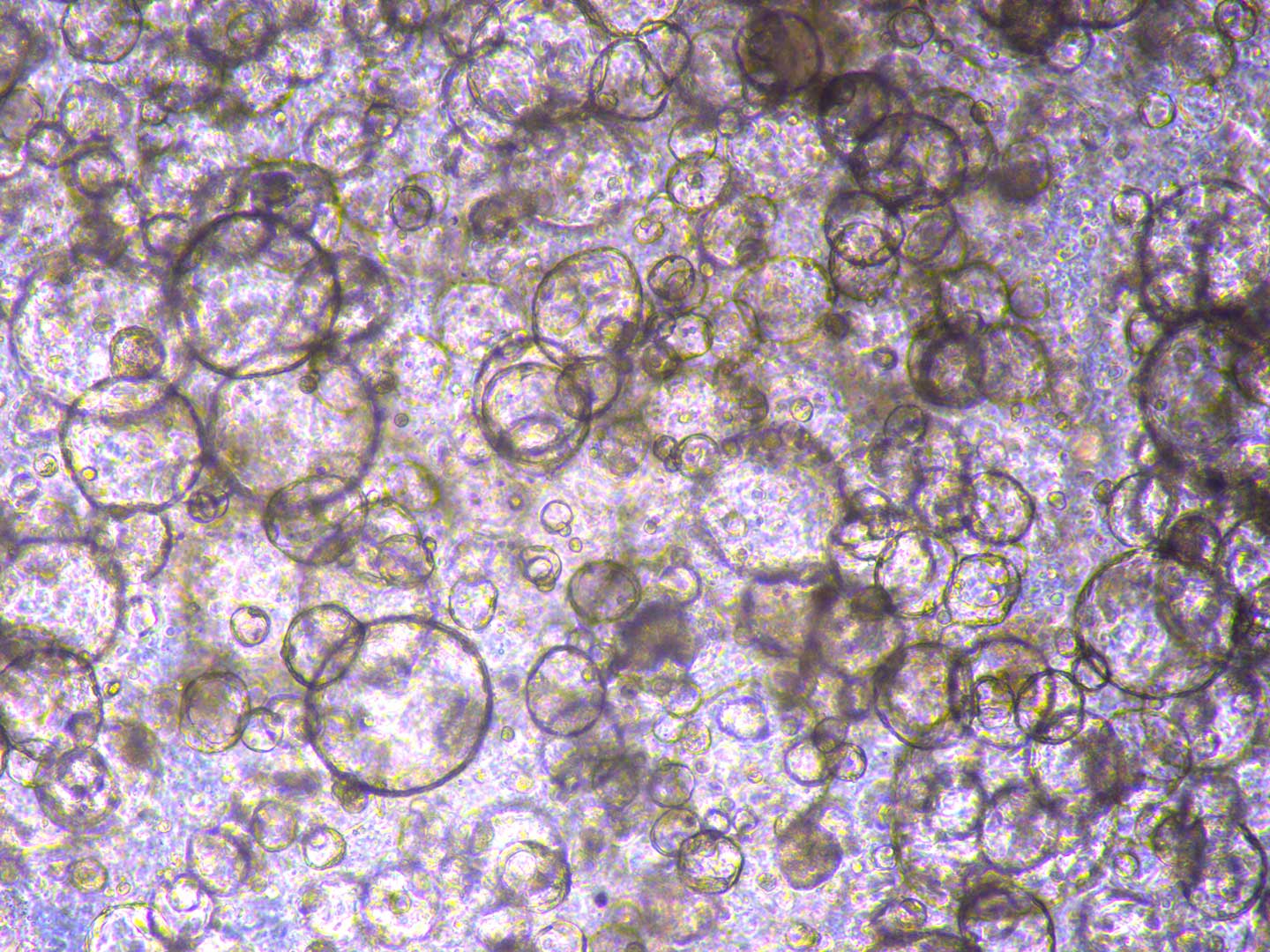
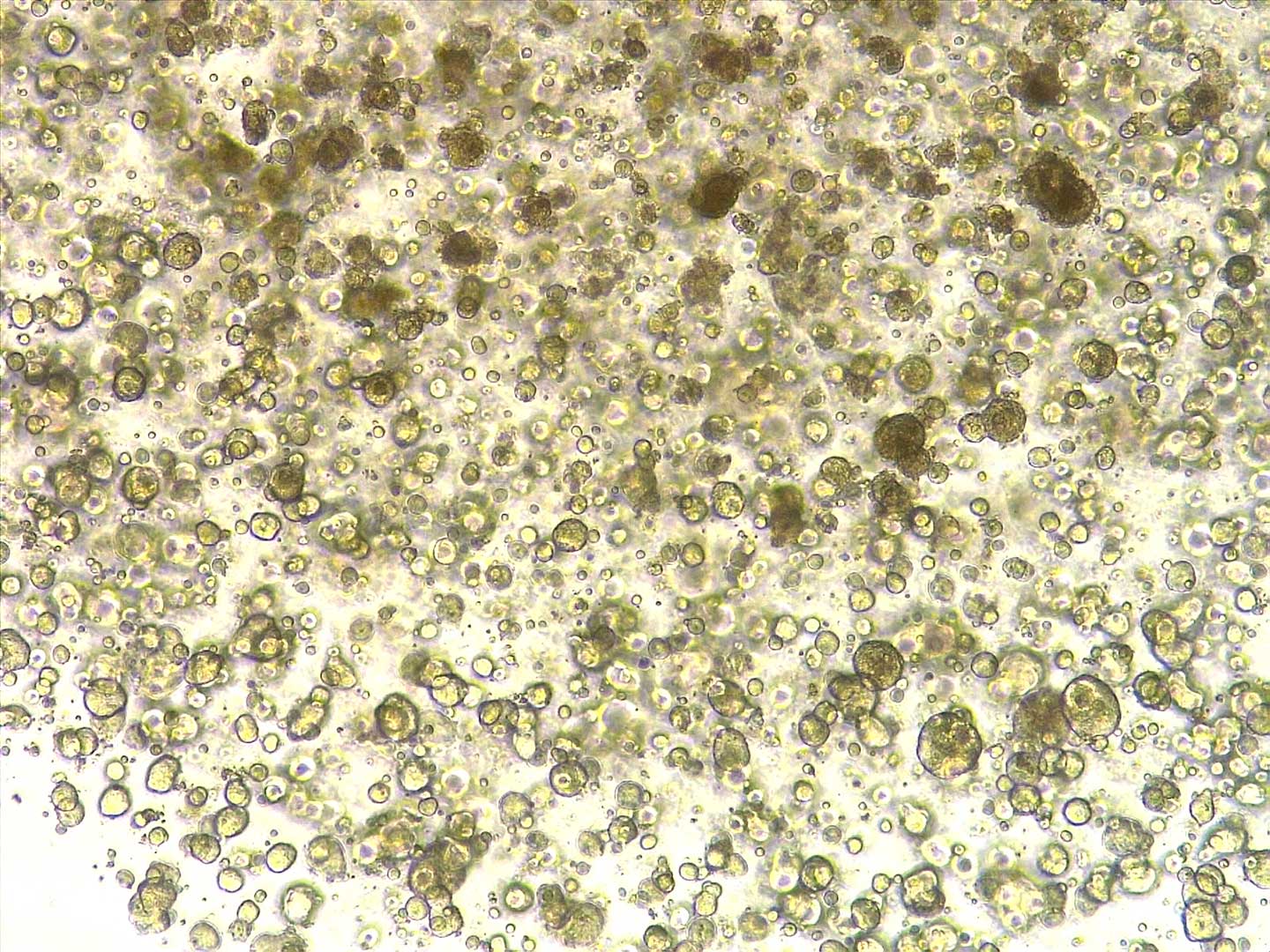
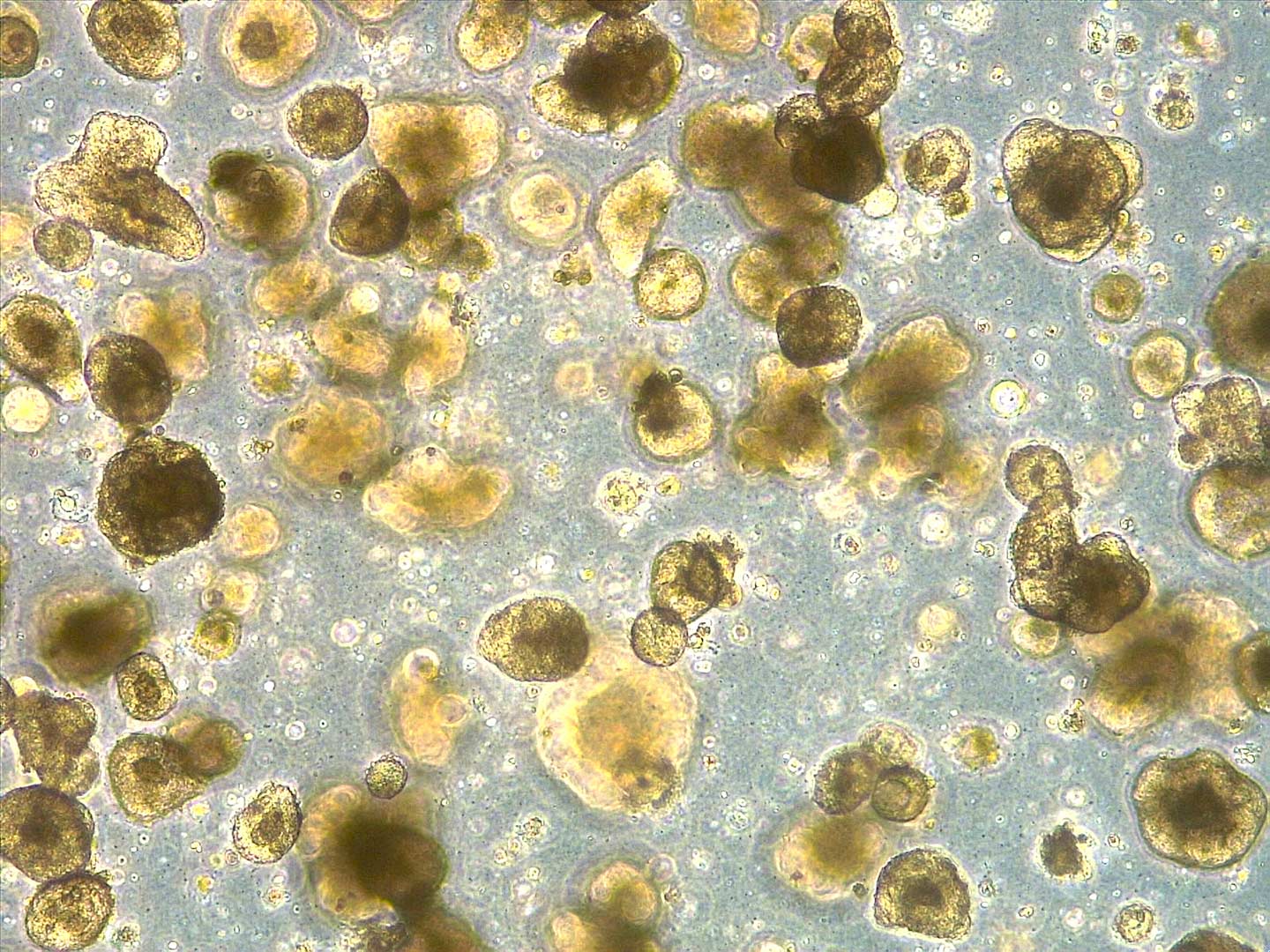
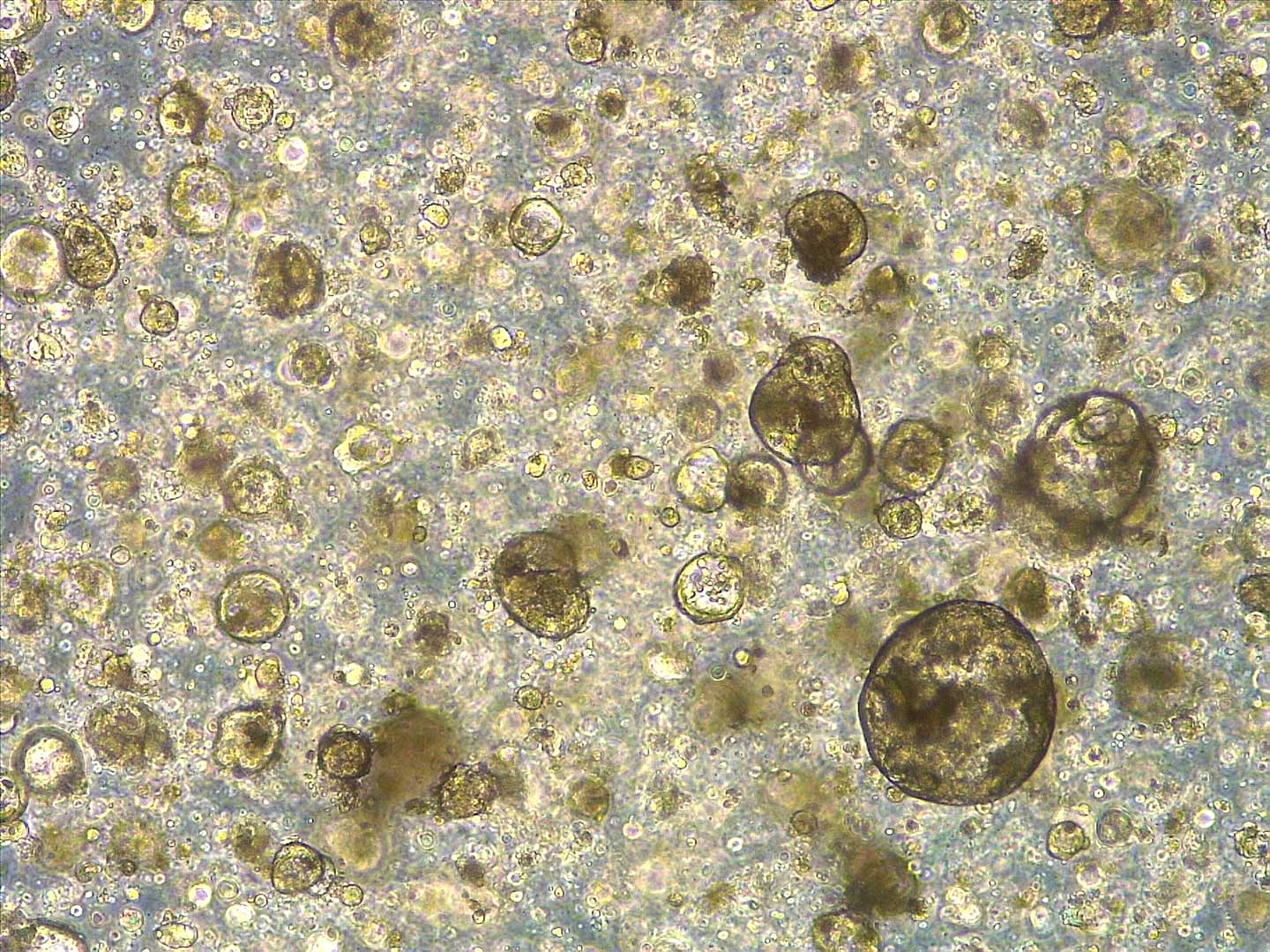
Different organoid lines produced by the Sanger Institute, covering the colon, ovaries and pancreas. Images credits: Wellcome Sanger Institute.
Beyond the depth and breadth of the biobank, an additional innovative part of the study is the CRISPR screening data. The researchers carried out whole-genome CRISPR screens in 162 of the organoids, systematically switching off every gene to see which ones the cancer cells depended on. This kind of large-scale screening has not previously been done in organoids, showing what is now possible for the community and uncovering new biology around key cancer pathways.
The paper provided impactful examples of how this resource can be used. The team showed that organoids can reveal links between genes, drug responses and mutations that are more representative of what happens in patients than traditional cancer cell lines. In one case, organoids grown from the same patient before treatment and after disease progression helped identify why a tumour became drug-resistant and highlighted new vulnerabilities that could potentially be targeted with alternative drugs.
Overall, the work highlights that this biobank is not just a collection of samples, but a powerful resource for studying cancer biology and supporting the development of more effective cancer treatments. So far, the biobank has been used in 19 publications by 14 different labs/research teams – and now, with wider access, the team expect this impact will grow.
“We anticipate this biobank will be widely used to accelerate a broad range of cancer research, from the fundamental biology of disease through to testing new drugs. It has taken an enormous effort and is a testament to the skill and perseverance of everyone involved. We are also enormously grateful to the patients who shared their tissue samples to make this possible – their contributions really make a difference.”
Dr Mathew Garnett,
Senior Group Leader, Somatic Genomics programme, Wellcome Sanger Institute
Championing teamwork and open science
All of these data will be made available on a platform developed by the team called Cell Model Passports. Here, users can search for a specific model, explore its genomic and transcriptomic alterations and view them together in easily interpretable visual formats.
A deeper, more interactive analysis of CRISPR data will be possible through a separate platform called DepMap Miner. This platform allows users to filter organoids based on specific alterations, and then interactively explore how gene knockouts correlate within those selected models.
At Sanger, we often develop large-scale biological resources, but establishing global distribution routes that reach academic and industry researchers can be challenging. For that reason, the Sanger Institute’s Innovation and Business Engagement team worked hard to identify distributors with relevant capabilities and reach for distribution.
Our organoids are being distributed by the Life Science business of Merck KGaA, Darmstadt, Germany and the American Type Culture Collection (ATCC). As it takes time for repositories to acquire biobanks and prepare them for distribution, researchers who are interested in obtaining Sanger organoids can refer to the Cell Model Passports website, as there are plans to link each model with its available distribution channel.
“The Institute’s approach to science at scale results in the creation of resources that enable the scientific community beyond our own research. To maximise the use and impact of these unique resources, the Innovation and Business Engagement team works to ensure that they are available widely to enable translational research as well as industry research and development. We are delighted to disseminate this highly characterised organoid resource as we believe that better pre-clinical models can accelerate drug discovery and ultimately lead to better clinical outcomes for patients.”
Dr Agnieszka Wabik,
Senior Business Development Manager, Innovation and Business Engagement team, Wellcome Sanger Institute
Access to these organoids and their associated datasets will hopefully accelerate discovery, improve reproducibility and enable the scientific community to tackle complex questions in disease biology more efficiently.
Beyond the patients and scientists directly involved in the study, it has taken a community to deliver on this project, involving ethicists, governance advisors, project managers, legal support and business development to enable this successful outcome.
“This biobank is a superb example of Sanger science. It is an ambitious project, developed through global collaboration involving multi-disciplinary teams across the UK and internationally, and it has delivered a definitive open resource that could be game-changing for the research community.”
Professor Matthew Hurles,
Director and Senior Group Leader, Wellcome Sanger Institute

Find out more
- Dr Carmen Herranz-Ors' web profile
- Dr Mathew Garnett's web profile
- Dr Agnieszka Wabik's web profile
- Professor Matthew Hurles' web profile
- Garnett research group
- Cancer Dependency Map
- Cell Model Passports website
- DepMap Miner website
- Human Cancer Model Initiative (HCMI)
- Somatic Genomics research programme


