Sanger Science


 19 September 20122.4 min read
19 Sept 2012: A team from the Wellcome Trust Sanger Institute have identified a seventh, unusual proteolytic enzyme in an asparagine catalytic type. This study has been picked as one of 20 best papers published by the Journal of Biological Chemistry in 2011, out of a total of 4,000 papers.
 14 September 20123.1 min read
13 Sept 2012: Have you ever considered whether we all sense the world the same way? Darren Logan at the Sanger Institute studies how our genes influence how we perceive the environment around us, and how our brains makes sense of our senses.
 12 September 20123.7 min read
11 Sept 2012: The Malaria Programme at the Wellcome Trust Sanger Institute is carrying out research addressing questions about the continuing emergence of drug resistance in malaria. Knowing which proteins in a cell are palmitoylated, specific protein-membrane interactions, can give important clues about their regulation or function—clues that can be used to piece together new ideas about how cells work.
- 7 September 20123.5 min read
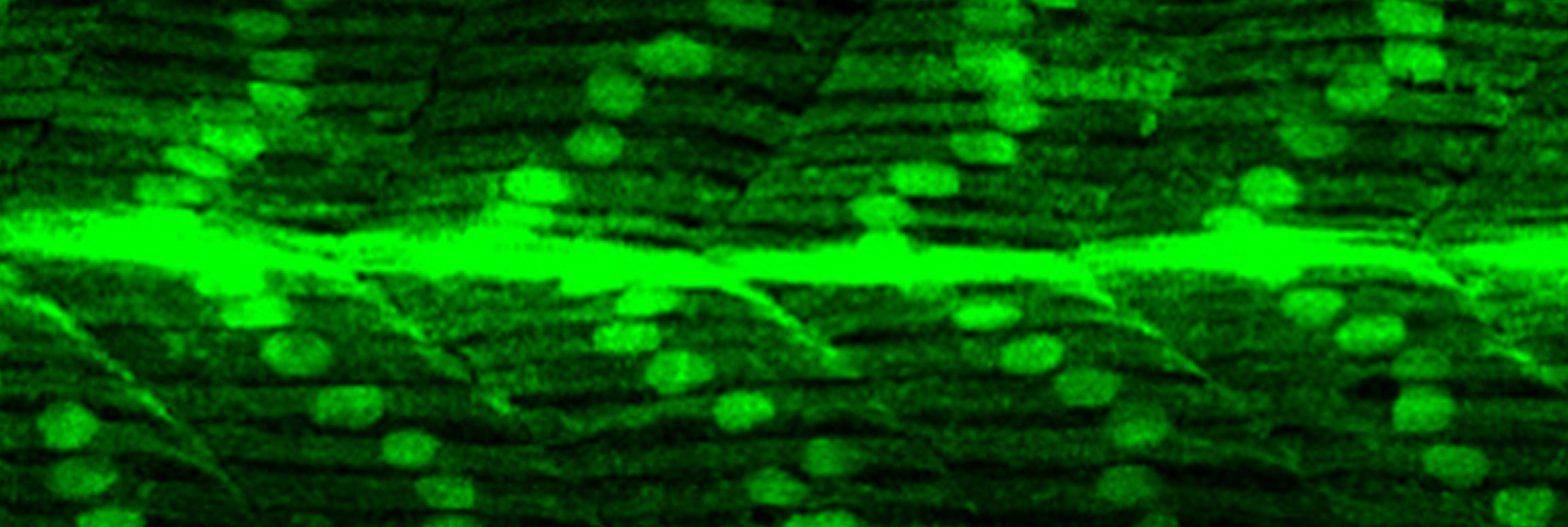
7 Sept 2012: In the embryo, muscle cells grow and knit together to eventually make up the size and shape of every muscle in the adult body. How do they do this? The answer is vital for treating muscular disease, because discovering how muscle is made will help to us understand how to fix the molecular machinery in muscles that don’t work.
- 3 September 20123.4 min read
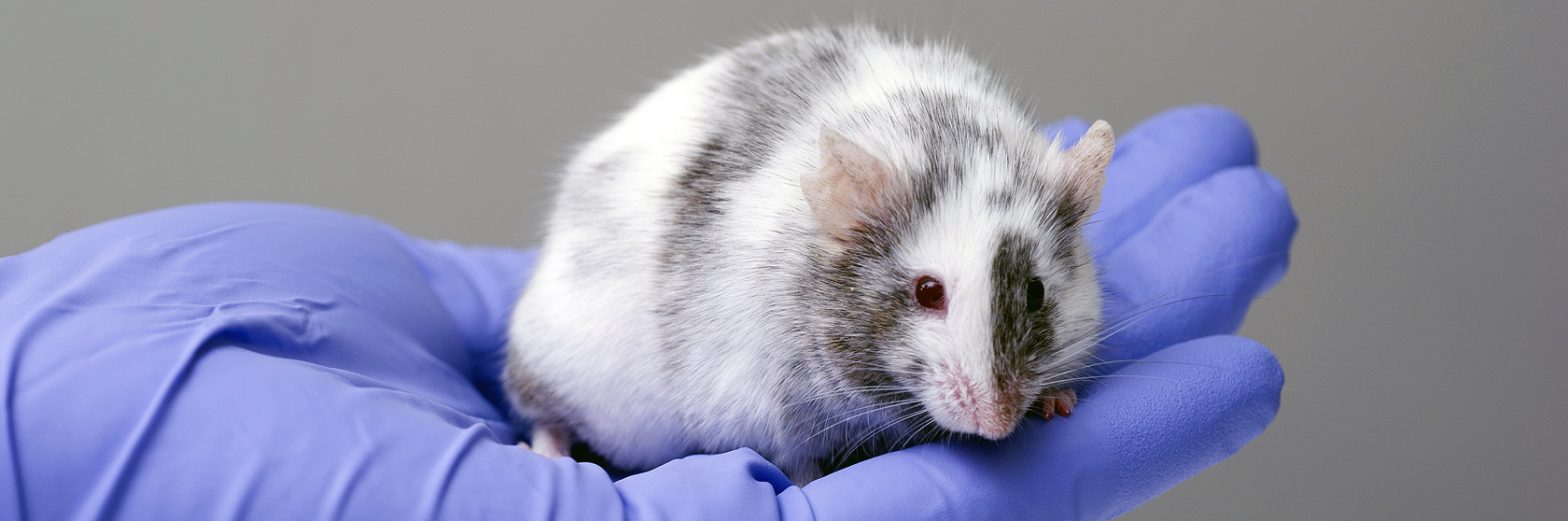
3 Sept 2012: Jacqui White, from the Institute's Mouse Genetics team, describes how our researchers are committed to treating their animals in the most humane, caring and sensitive way possible ...
 29 August 20123.1 min read
29 Aug 2012: Stavroula Kanoni, a researcher in Human Genetics, describes the hunt for genes associated with male pattern baldness