


Sardar Muhammed Osail and Asifur Rahman Shaon. Image credit: Dr Archana Madhav/Wellcome Sanger Institute.
A climate change hotspot in Bangladesh acts as a natural laboratory for scientists aiming to study healthy human guts and gauge future disease risk.
A Slack notification pings. It is late in the day, your brain is lagging, and you are tempted to ignore it. As a break from the code you are debugging, you click anyway. It is an all‑Institute message from Dr Archana ‘Archie’ Madhav, a postdoctoral fellow in Nick Thomson's research group at the Wellcome Sanger Institute.
The topic of her message wakes you right up: “We need your stool sample to help us develop our sampling protocol for the Parasites and Microbes programme Climate Hub study! Thank you for considering donating samples for science!”
You think, what insights can Archie glean from Cambridge poo samples that can be applied to her latest project: a large‑scale stool‑based study in coastal Bangladesh? Well, we had to find out straight away…
Trust your gut
‘Gut instinct’, ‘butterflies in your stomach’ and ‘what does your gut tell you’ are phrases used when referring to our insides responding to an outside stimulus of some sort. Usually, this language is used when something is feeling a bit off. But rarely do we think about the importance our gut in a healthy state and its response to the environment.
At the Sanger Institute, Archie is part of a large-scale study, led from Bangladesh, that goes beyond ‘trusting your gut’. The team is using stool and water samples to understand the impact of climate change on the healthy gut microbiome. To do this, they are focused on collecting samples in areas of Bangladesh that experience the effects of climate change more notably.
But why stool? Studying poo can give researchers insights into the diet and overall health of individuals – not just when in reference to acute disease, but also chronic conditions. Archie is on a mission to develop methods that make studying stool at the genomic-scale easier, especially in lower-resourced areas in the world. Archie needs to develop methods that ensure the data is collected in a reliable manner, over a long-term study period.
During her doctoral research at the University of Cambridge in Professor Stephen Baker’s lab, Archie collected stool samples from very sick people in India, making poo part of her everyday work. Now, Archie has shifted her research focus from people who are ill to stool samples from healthy individuals in Bangladesh.
Instead of sampling people’s waste during a disease crisis, she wants to understand what a ‘healthy’ gut in Bangladesh looks like when study participants are those who live with the constant impact of climate changes: rising sea level, salty water and frequent flooding.

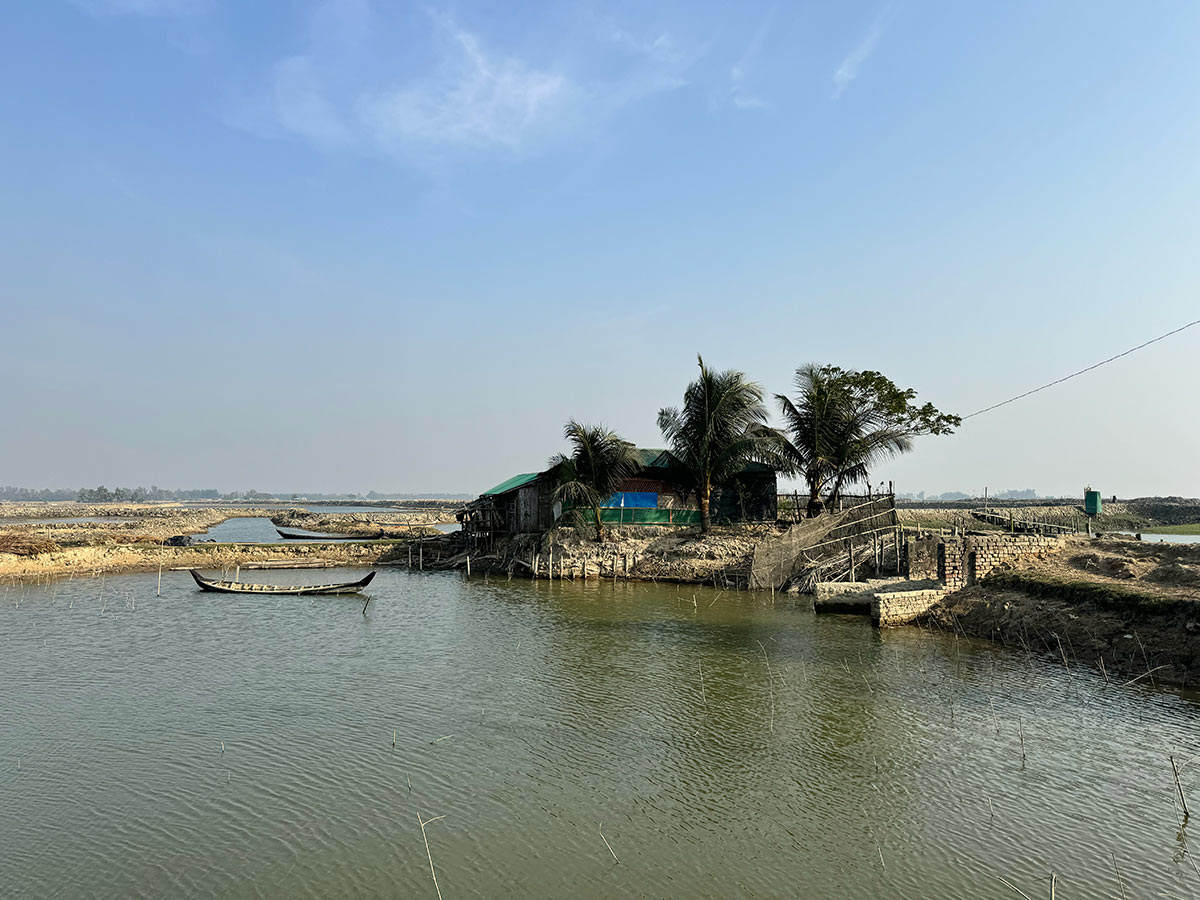
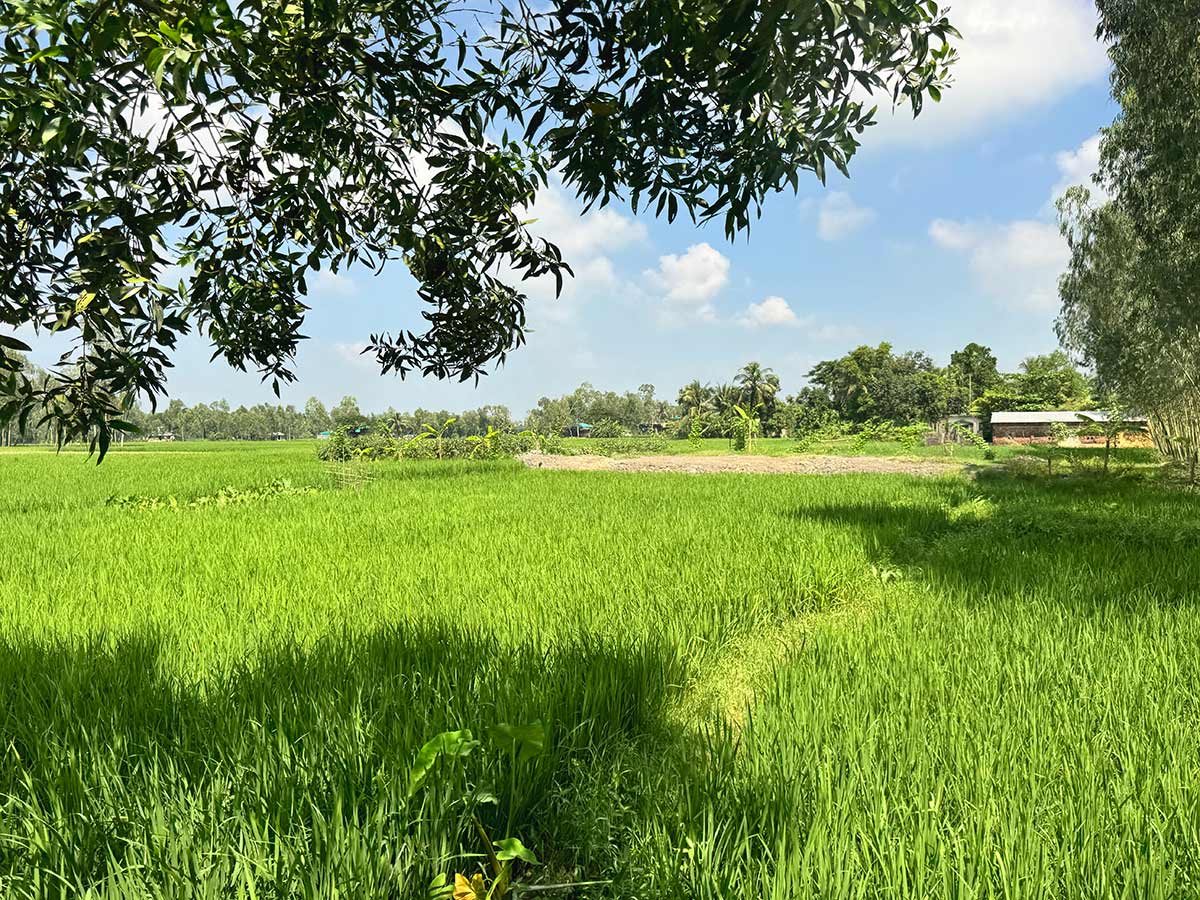
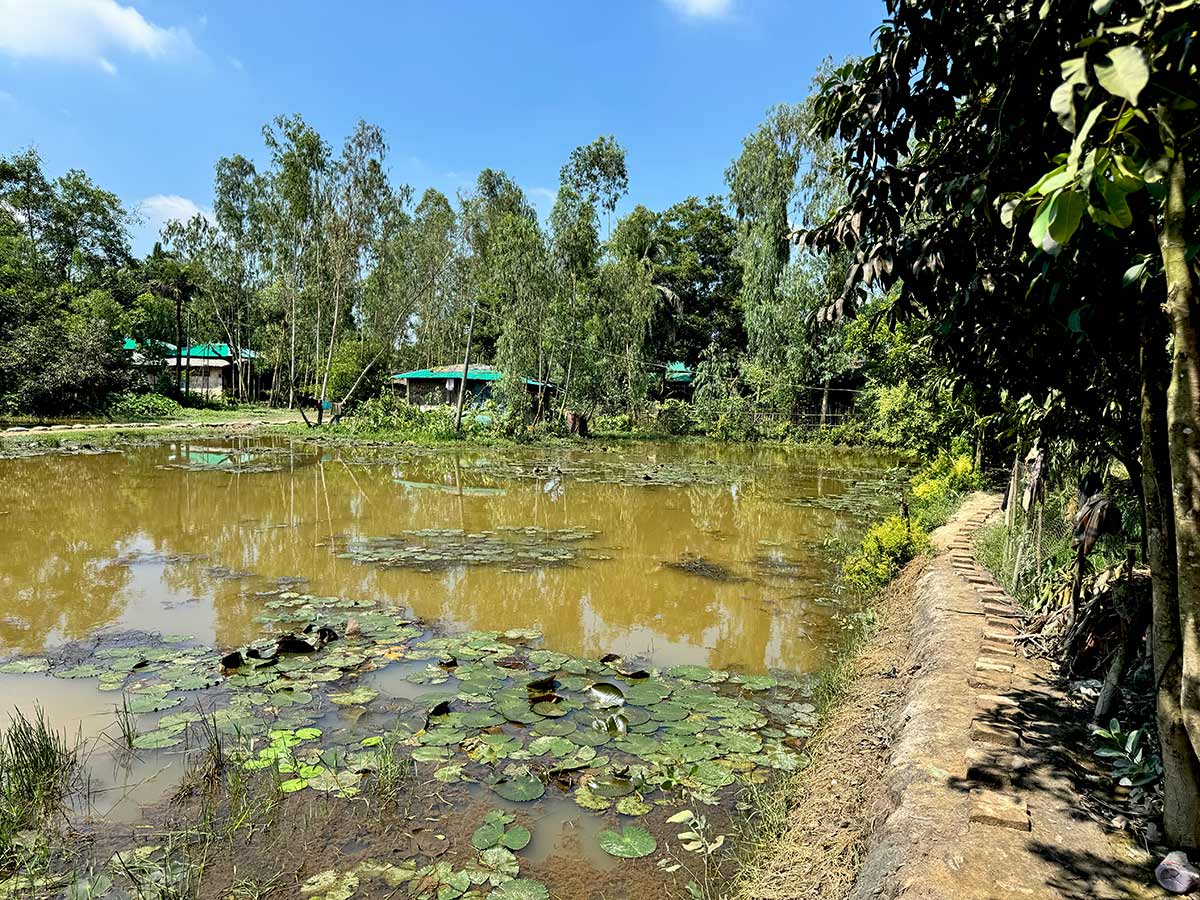
Landscapes of the Chakaria subdistrict. Images credit: Dr Archana Madhav / Wellcome Sanger Institute
A unique place to study climate change
The entire study focuses on water and stool collections in Chakaria, an area of Cox’s bazaar, in southeastern Bangladesh. Cox’s bazaar is known as a tourist hub, as it is home to the world’s largest and longest stretch of sandy beaches. In stark contrast, the area is also home to the largest refugee camp in the world.
In a country with such juxtaposed activities and human populations, you will find the International Centre for Diarrheal Disease Research, Bangladesh, better known as icddr,b. The centre, founded in the 1960s, is a research leader in the region. Since 1999, iccdr,b operates a Health and Demographic Surveillance System (HDSS) in Chakaria, overseen by Dr Syed Manzoor Ahmed Hanifi, also the project's Prinicipal Investigator.
The Chakaria HDSS covers 49 villages which have been monitored for health and demographic events, with data collected on births, deaths, migration, diseases and everyday living conditions.
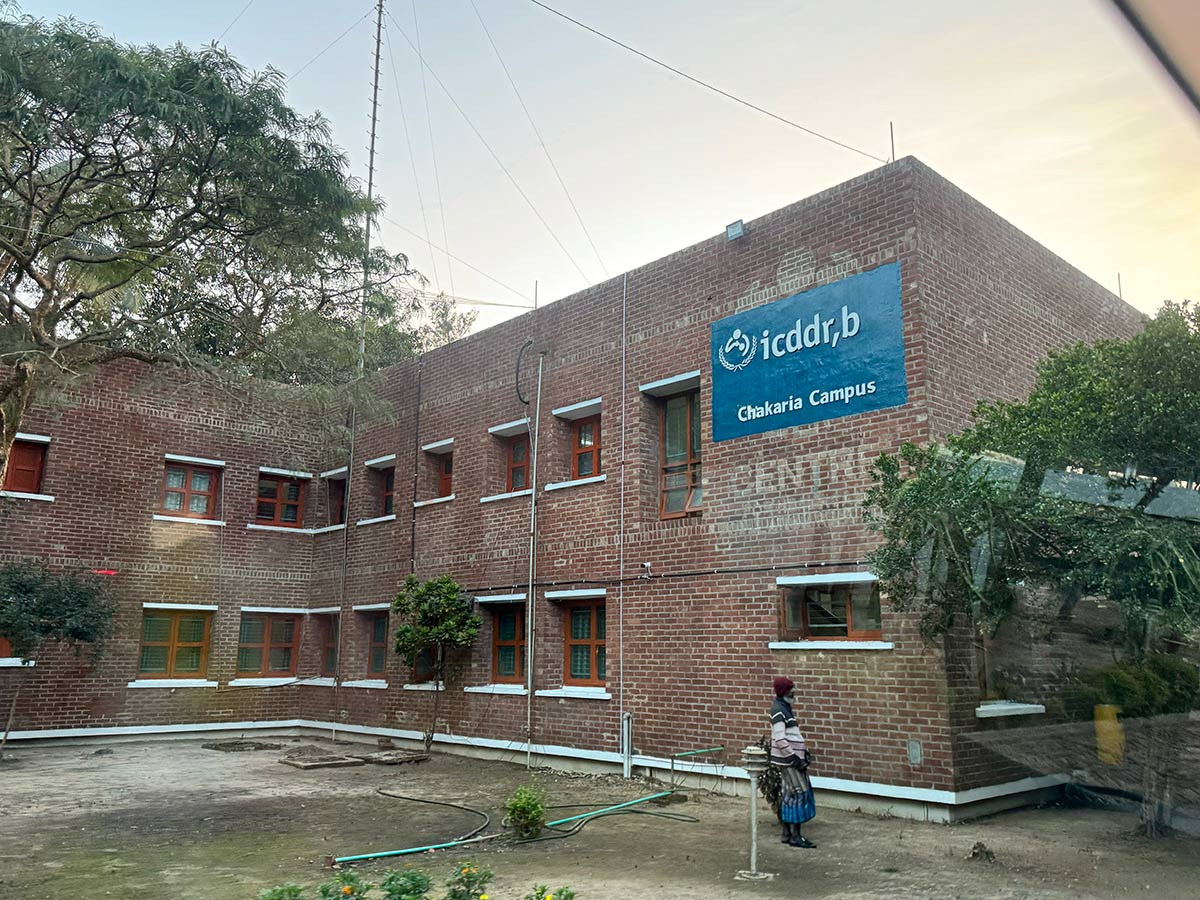
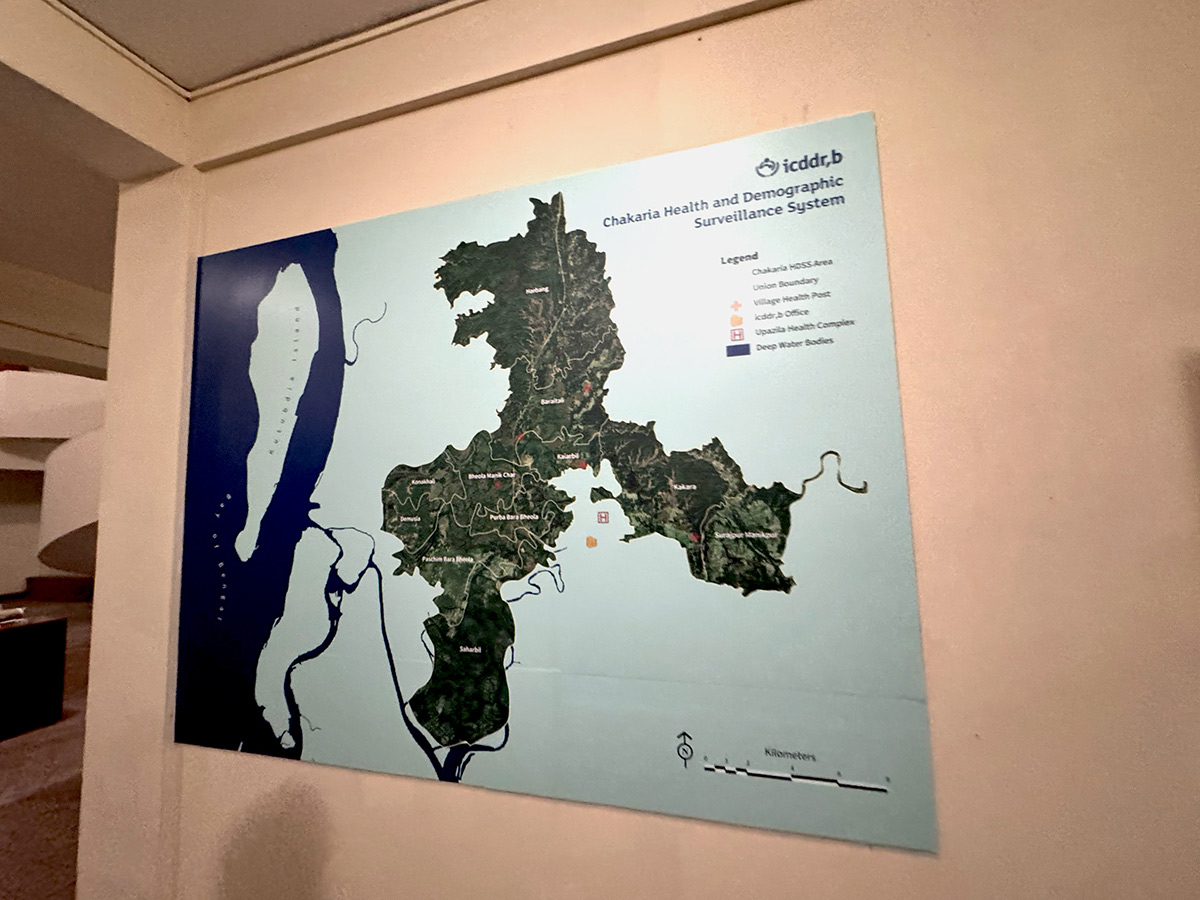

The Chakaria Field Office in Bangladesh. Images credit: Dr Archana Madhav / Wellcome Sanger Institute
Chakaria is coastal and prone to annual flooding, making it vulnerable to the impacts of rising sea levels. Local salt extraction and shrimp‑farming practices intentionally draw seawater inland, allowing saltwater to infiltrate groundwater and drinking water. Combined with reduced freshwater flow from upstream rivers, this leaves people living with high levels of salt in their environments. Now, evidence has emerged that shows increased saltwater has harmful effects on health.
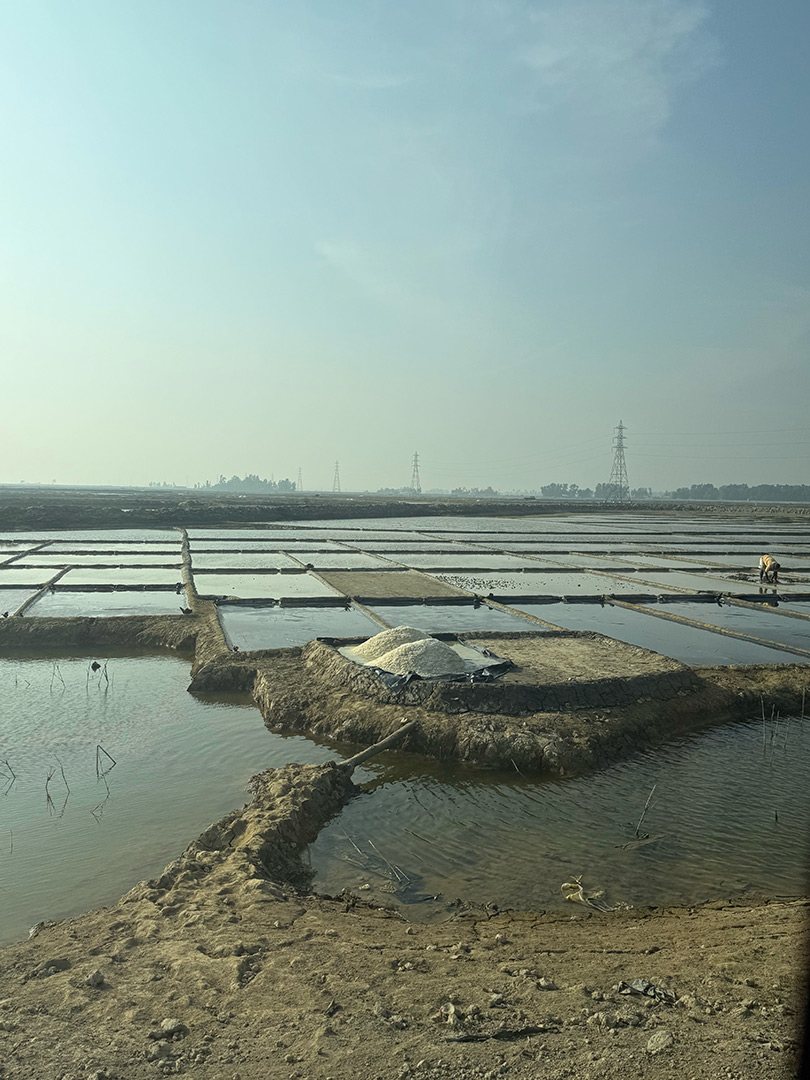

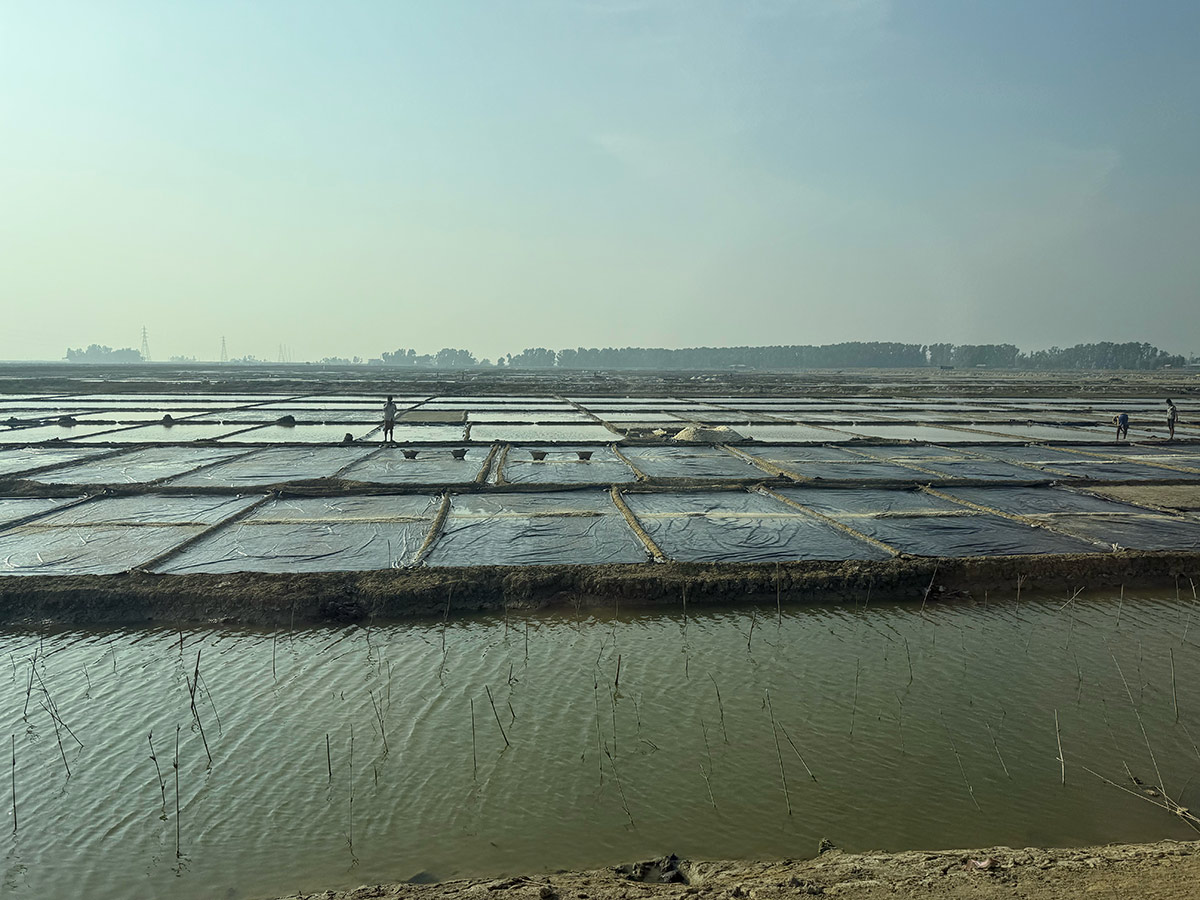
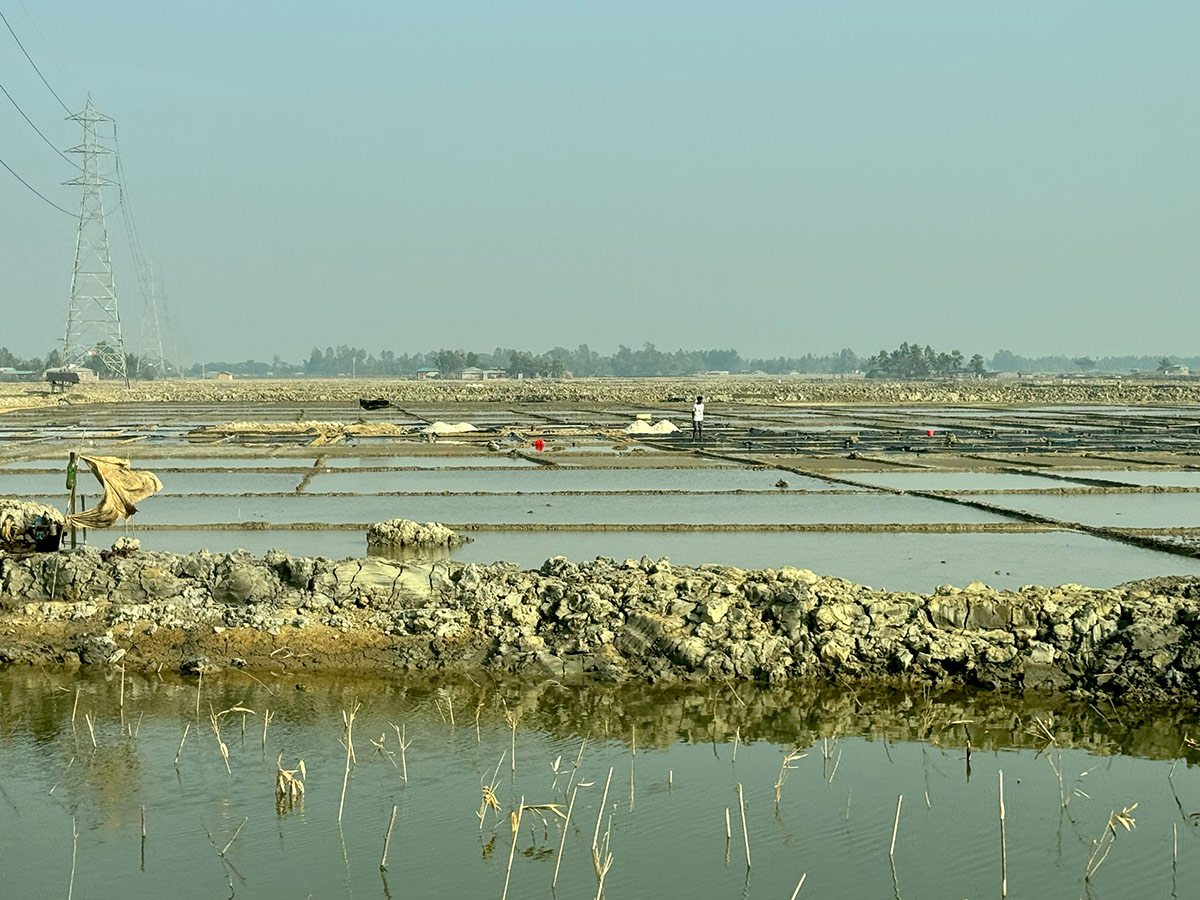

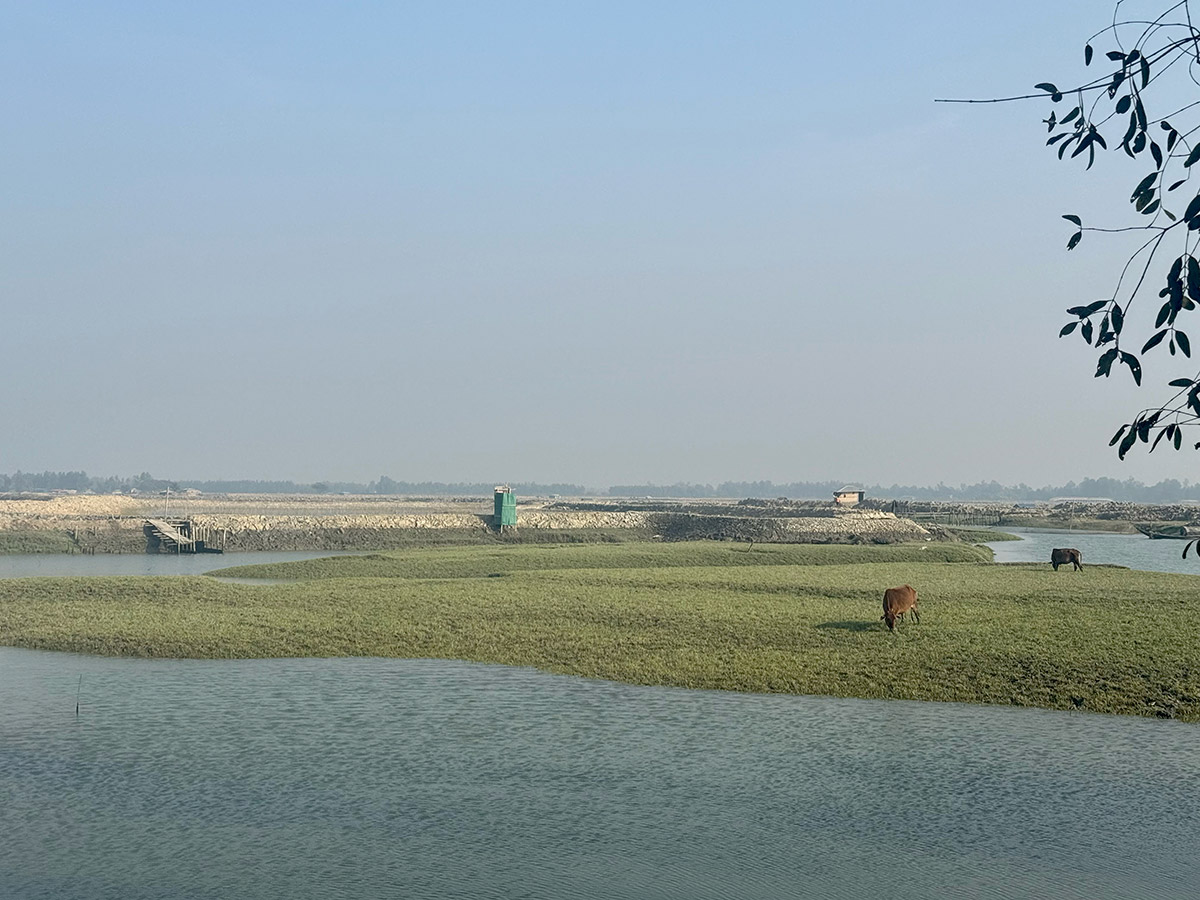
Seasonal salt harvesting and shrimp farming take place in the study site around Chakaria, Bangladesh. Images credit: Dr Archana Madhav/Wellcome Sanger Institute
That increase in salt exposure matters even more for pregnant women as high sodium intake is a major risk factor for hypertension, which in turn drives prenatal complications.
Average daily salt consumption in Chakaria has been measured at around 6.8 grams per person, roughly 1.8 grams above the World Health Organization’s recommended limit. Salt introduced via drinking water adds to the existing dietary burden.
“We hypothesise that there is a link between exposure to these climate‑related conditions and disease risk, and we think the gut microbiome may be involved. We want to understand the interplay between diet, disease and the environment, and see where – and to what extent – the microbiome fits into this picture.”
Archana "Archie" Madhav,
Postdoctoral Fellow, Parasites and Microbes programme, Wellcome Sanger Institute
Most microbiome work has focused on sick children or patients in hospitals. By contrast, this project follows healthy people in their homes, pairing stool samples with household water samples.
“Healthy people over four are not usually the focus of microbiome studies, especially in low-resource settings,” Archie says. “Most studies use samples from babies or people in a hospital because it is easier to collect samples from them. Our research sets out to fill a knowledge gap. We want to sample healthy people in Bangladesh, when they are not sick or in crisis, but just going about their lives.”
Participants from this area of Bangladesh sometimes leave school at an early age and do not usually feature in genomics studies. Creating a study at this scale, in a sub-district facing unsettling circumstances such as population flux, rising seas and salty groundwater, has not been attempted before.
To progress this important research project, Archie and her international team solved a deceptively simple question: how can we as researchers collect hundreds of stool samples, week after week, from people who are not sick?
Poo is still taboo
Even at the Sanger Institute, Archie discovered how reluctant people can be to part with their poo. A three‑day ‘poo drive’ to gather healthy samples from Sanger colleagues yielded few volunteers, and she accepted offers of pet waste to keep early method‑development work going. Nevertheless, with help from Dr Nisha Singh who is also at the Sanger Institute in the Thomson Group, Archie used these scarce stool samples to enable testing of candidate preservatives of samples from here at Sanger to prepare for the large-scale study ahead.
Breaking the ‘poo taboo’ is not unique to the UK or Bangladesh. That discomfort around talking about poo helps explain why Archie struggled to recruit healthy volunteers in a well‑resourced research institute and why asking people anywhere in the world to donate stool is never as simple as it sounds.
By explaining the purpose behind the study and inviting healthy volunteers to get into a routine of contributing samples repeatedly over time, the ultimate aim is to collect 12,704 stool samples from healthy participants and pair these with around 5,096 household water samples.
Archie and her colleagues hope to build one of the largest collections of healthy gut microbiome samples ever assembled from low‑ to middle‑income settings.
By creating sampling kits and processes that are simple and easy-to-use, training skilled surveillance workers and porters from the community to collect the samples and building relationships and understanding around the project through posters and meetings, Archie hopes her stool samples will arrive on a reliable schedule for the course of the study.

Hurdles to overcome
Once volunteers are on board, the real test begins: asking healthy people, some of whom work long days away from home, to collect samples regularly. Traditional stool collection kits were designed for European‑style seated toilets; in Chakaria, many people use squat latrines or structures built directly over open pits or water, making rigid plastic containers messy, off‑putting, or even impossible to use. “I spend a lot of time thinking about toilets,” Archie admits.

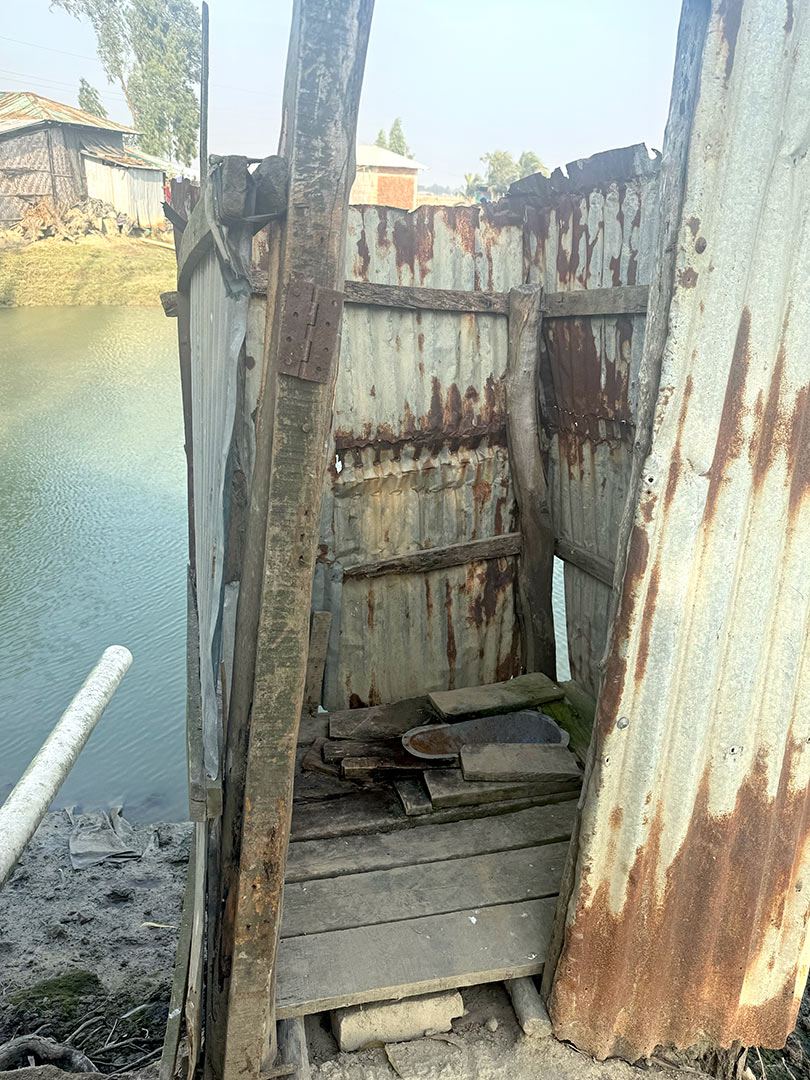


Sanitation facilities in households in Chakaria. Images credit: Dr Archana Madhav/Wellcome Sanger Institute
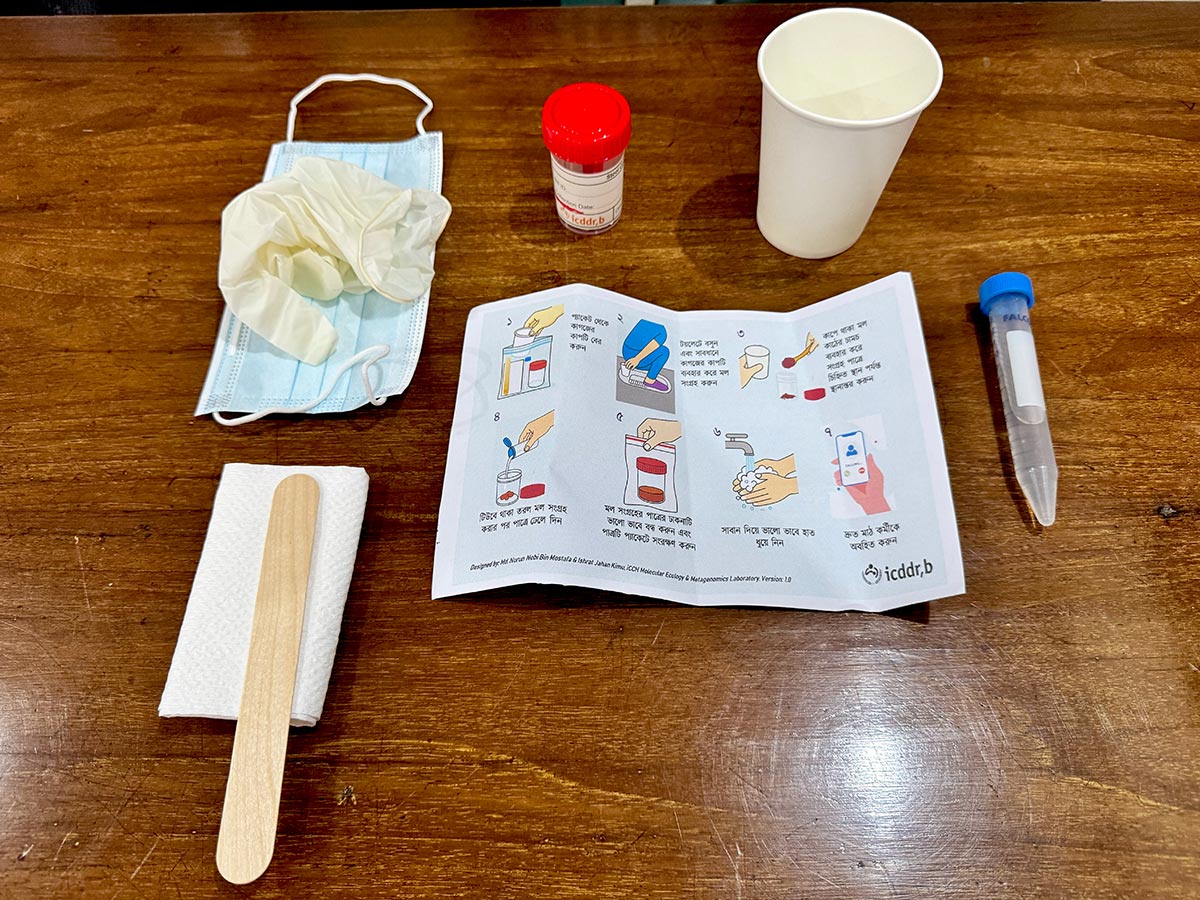
Together with the laboratory team led by Dr Mohammed Tarequl Islam and Dr Marzia Sultana, from Prof Munirul Alam's group in the Molecular Ecology and Metagenomics laboratory at icddr,b and the field team led by Dr Rifat Sarowar and Dr Rifat Ara, Archie has tested different designs to find a collection method that works with local toilets rather than against them. The solution they have settled on uses a simple paper cup as the collection vessel, with participants transferring a small amount of stool with a wooden spatula into a stool container, which is topped up with preservative. A cold box with ice packs keep samples cool on their journey from households to the local lab, where they are processed within 24 hours.
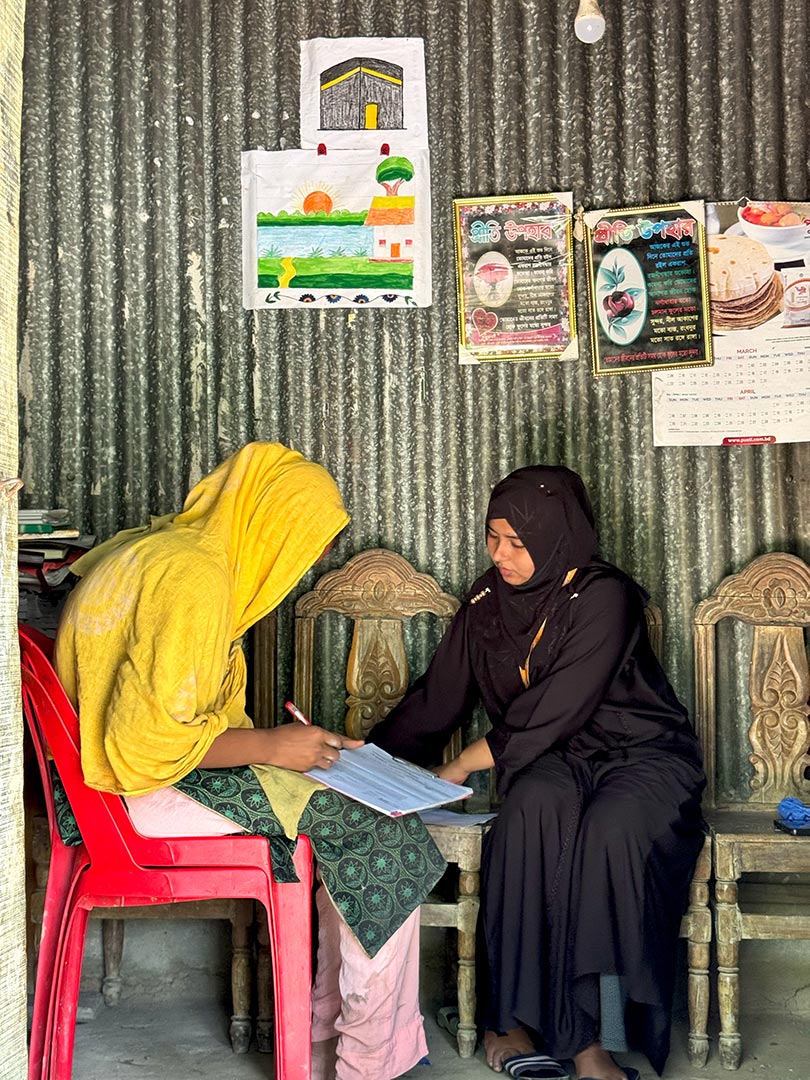


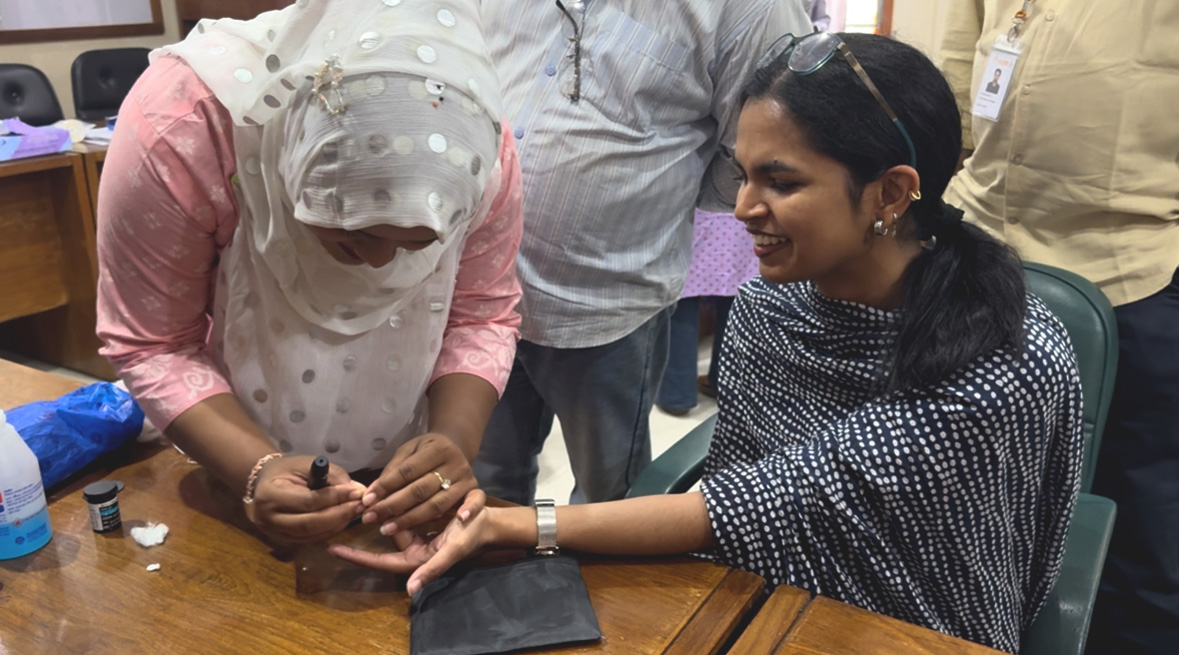
Sample collection process led by surveillance workers. Images credit: Dr Archana Madhav/ Wellcome Sanger Institute
Choosing the preservative has been its own challenge. Any chemical added to the sample must preserve the microbiome’s composition at temperatures that often hover between 32-40°C, be non‑toxic in case of spills, work for both culturing microbes and extracting DNA, and be affordable and locally available. It was under these conditions that Archie trialled candidate preservatives in Cambridge to ensure the methods would survive the heat and humidity of conditions in the field.
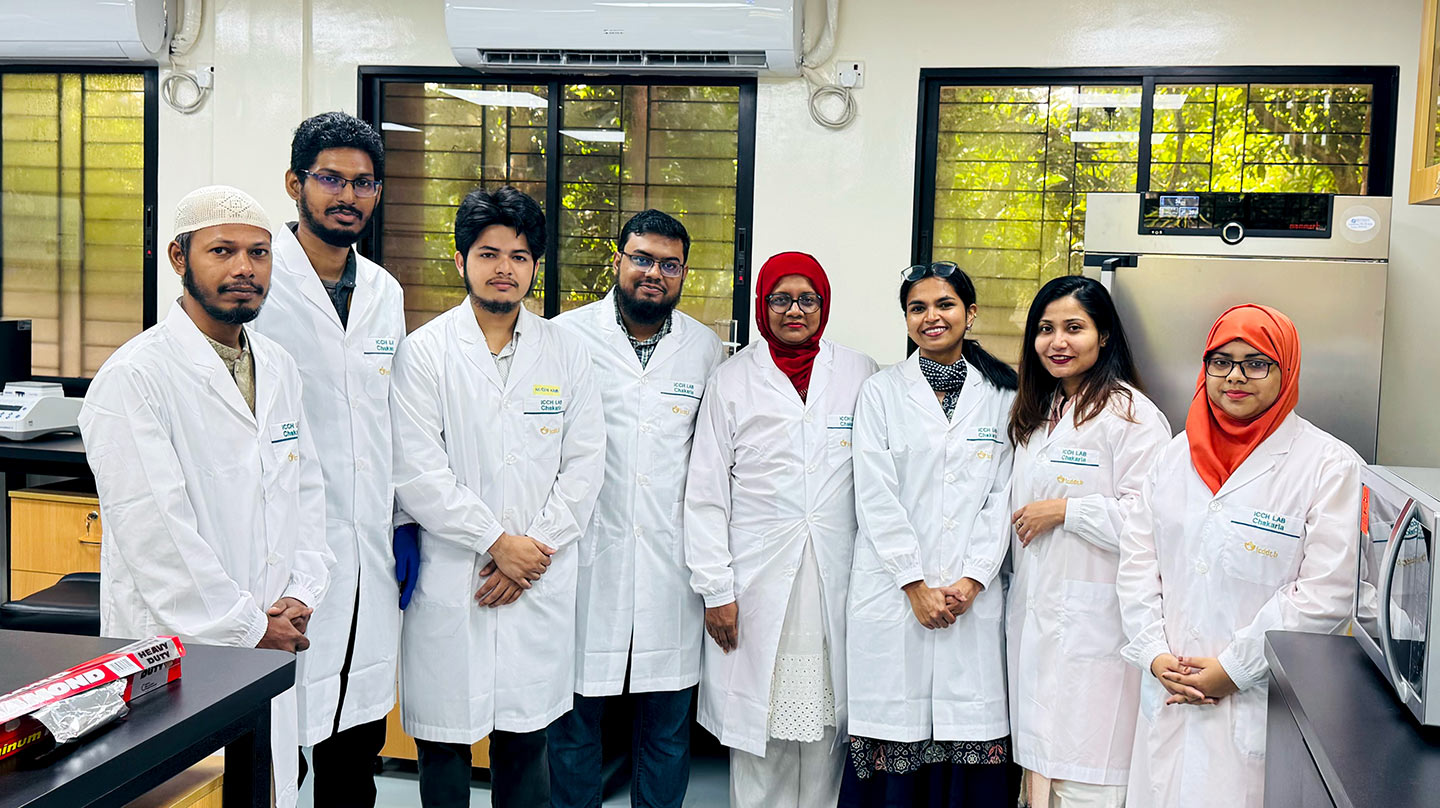
To process all of these samples, the icddr,b lab had to be built from scratch - which was a feat not without its challenges. The building that houses the lab is in a remote area, so renovations were a challenge, but Archie happily reports the lab is now capable of processing hundreds of samples weekly.
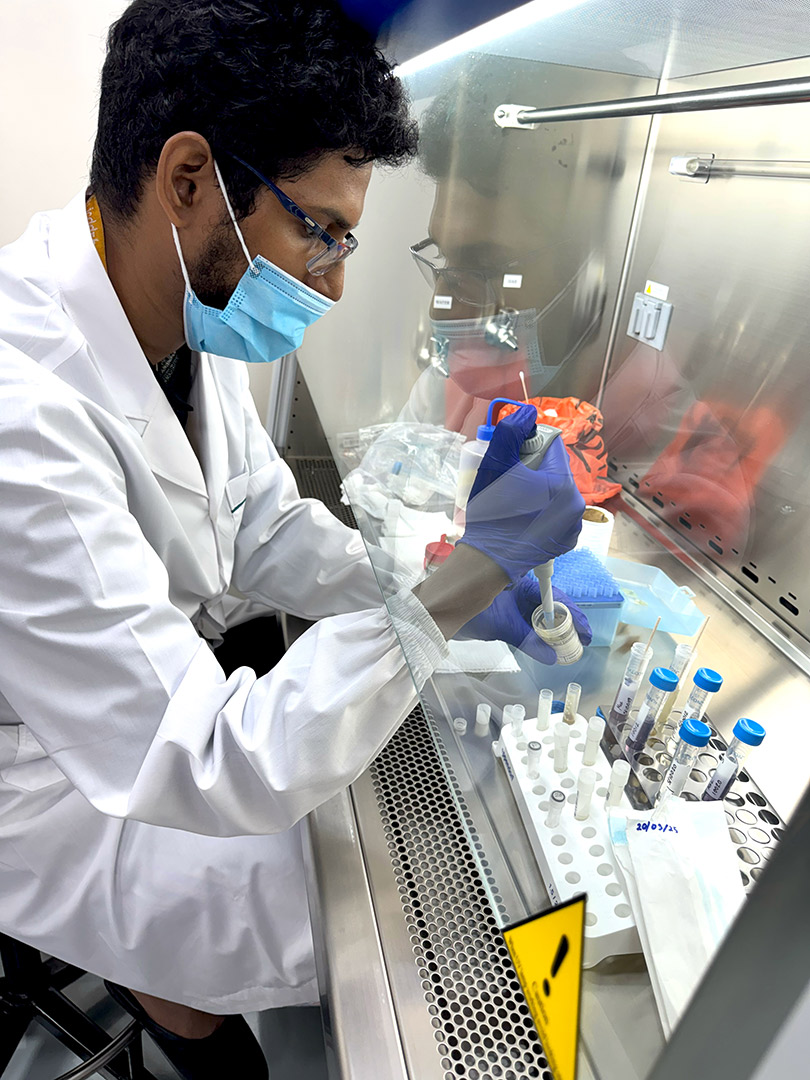
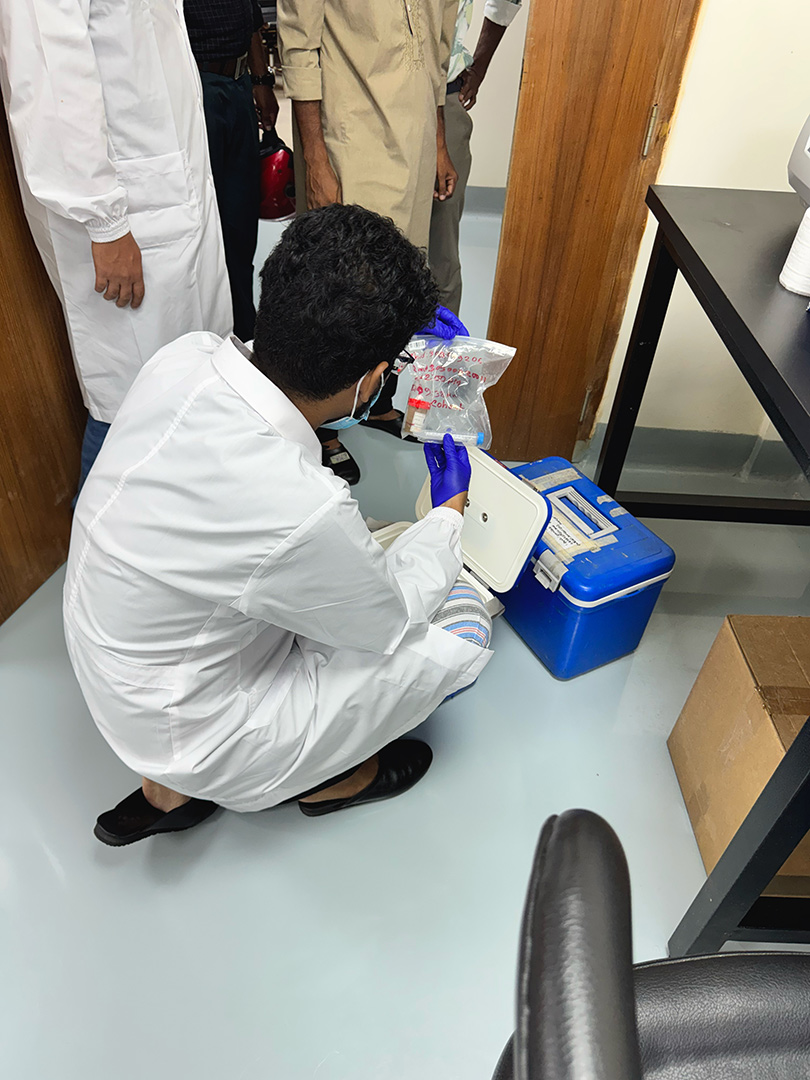

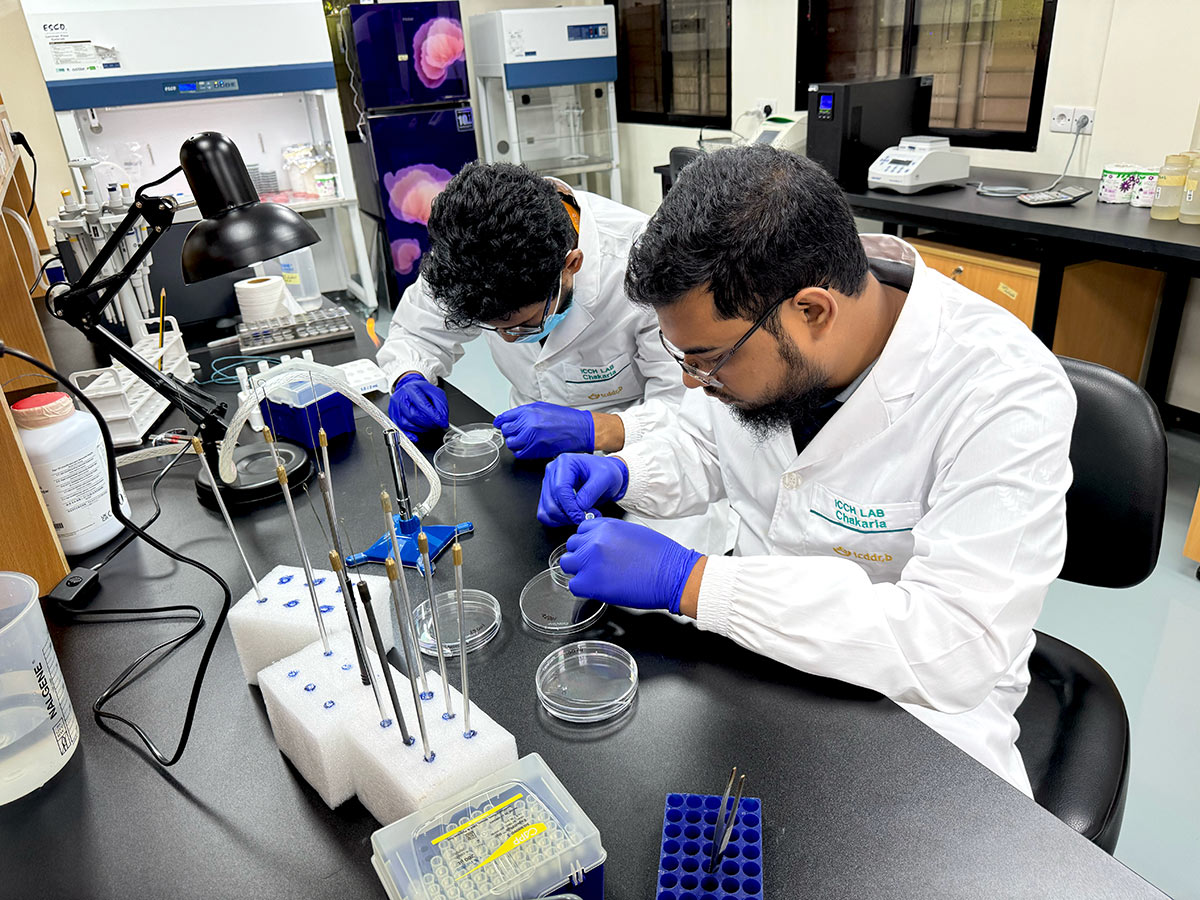
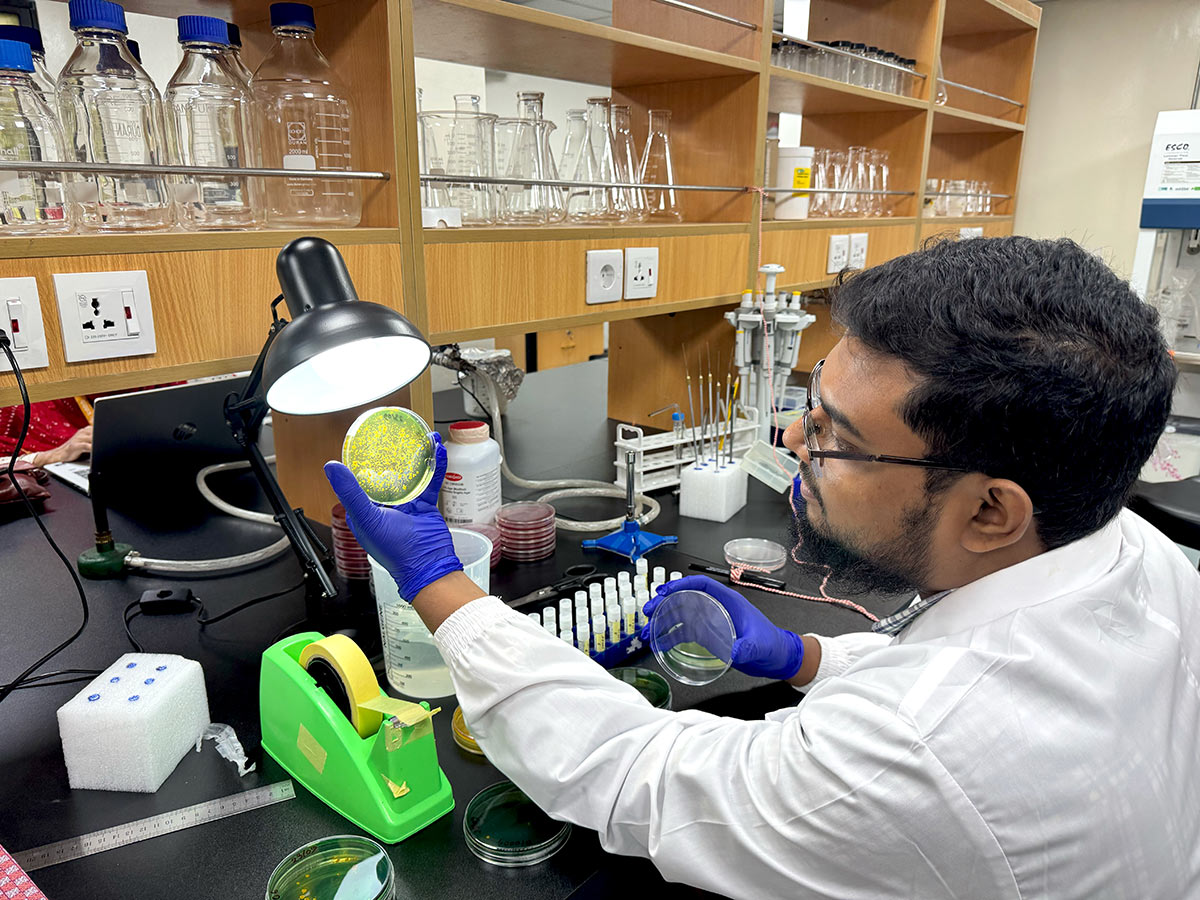


Samples arrive in the lab and are processed by the icddr,b team. Images credit: Dr Archana Madhav/Wellcome Sanger Institute
One person’s waste is another’s resource
The study will create an entirely novel longitudinal collection of healthy gut microbiome samples from people living with the realities of climate change.
The data could help reveal how climate‑related factors such as saltwater in drinking water resources manipulates gut microbes, pregnancy outcomes and longer‑term health, and provide an invaluable baseline for future studies in Bangladesh and beyond.
The next time you flush, consider what you are discarding. Studying stool from all over the world – from individuals who are healthy or sick – gives scientists new insights into disease, climate impacts and health. What seems like waste may hold the key to a healthier, fairer future, and that is something we can all get behind. So, in sickness and in health, remember the gut is worth studying.


