


Image credit: Jukka Corander
Curiouser and curiouser. Step inside the world of Professor Jukka Corander, Associate Faculty at the Wellcome Sanger Institute. From exploring the wonders of nature to investigating the tiny organisms that inhabit it, Jukka is guided by an insatiable curiosity.
Kind, mellow and never in a hurry are words often used to describe Professor Jukka Corander’s favourite animated character, Skalman the turtle. From the Swedish comic book Bamse – The World’s Strongest Bear, Skalman’s resemblance to Jukka becomes particularly amusing when Jukka cheerfully notes that both characters have opted for the same streamlined hairstyle. But beyond this, Skalman is an innovator whose ingenious inventions always seem to save the day, a trait that feels fitting for a scientist like Jukka. His work focusses on microbial evolution and population genomics, devising clever computational tools to keep pace with bacteria that, much like Skalman’s inventions, always seem one step ahead.
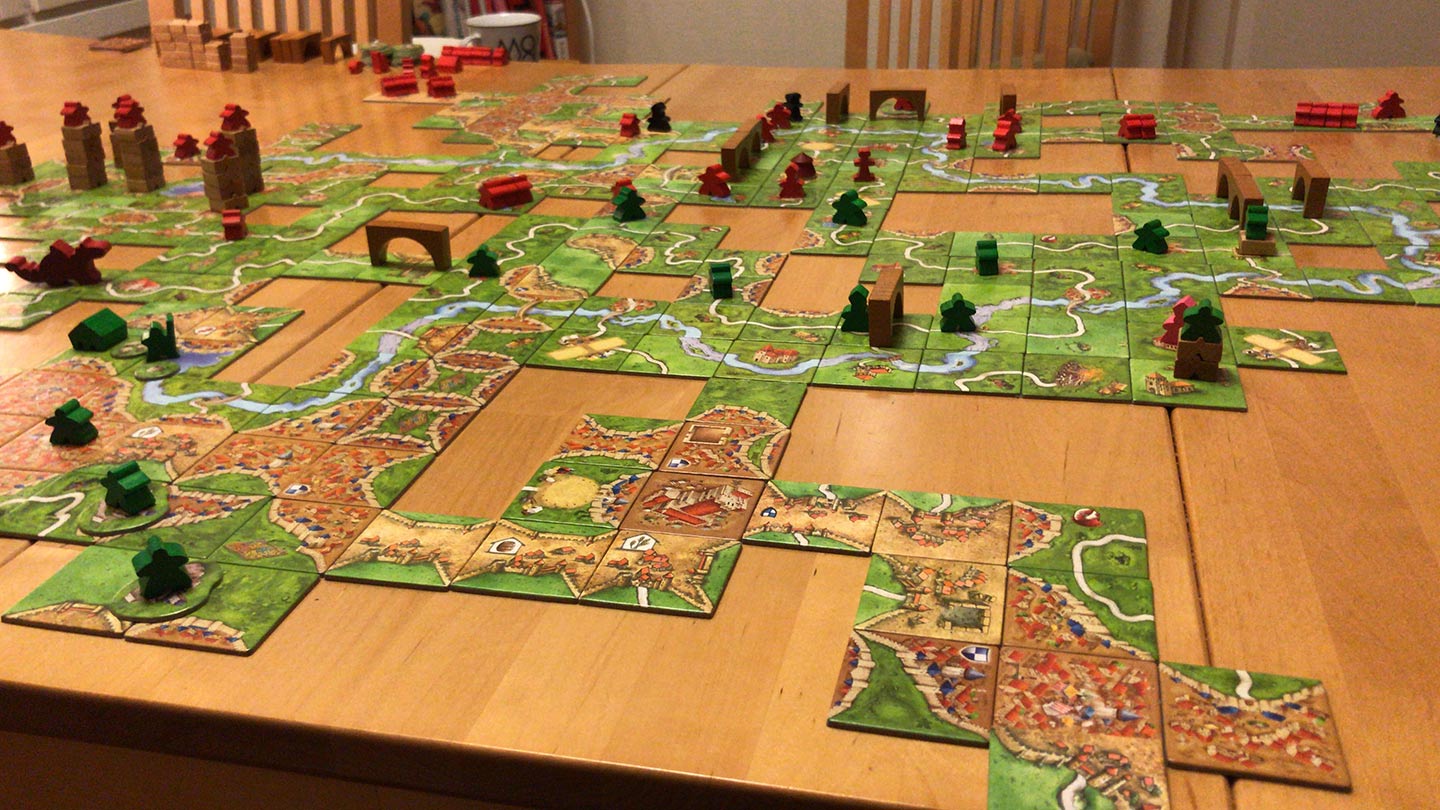
Born in Åbo, the old capital of Finland, to a working-class family, Jukka grew up in awe of the surrounding unspoiled nature. He spent his days fishing, roaming the forest and gathering around the table for countless board games, a tradition he now continues by playing those same games with his wife and two daughters.
“Whenever I travel the world with my family, we always play cards together. One of my favourites is the game, Hearts. It is very strategic, and my daughters become very competitive. It is fun observing.”
Growing up, Jukka immersed himself in books, spending hours in the library devouring science fiction and bringing its worlds to life with his vivid imagination.
“I remember my mum telling me about a time when I was playing board games with my friends, and I had a book on the side. I was definitely a nerd growing up. I would say I have always had this curious mind; I like to explore stuff and understand it.”
This curiosity has followed Jukka throughout his schooling and into his career. He recalls feeling stressed at school when at the age of 10, he completed most of the exercises for the entire year within the first month and was worried about his teacher finding out. His wide-ranging interests were already evident back then.
“I liked almost everything. I was very much in love with chemistry. I had very good grades in physics, but I found it extremely boring. I was fascinated by biology back in the day, but I didn’t quite get the big picture yet. I was most impressed by statistics – and this is the route I explored. And now today, I am reborn as a wannabe population geneticist.”
Long before he began studying microorganisms, Jukka was already working with them – just not in a lab. At the age of 16, his cousin got him a job working in a bakery – first as a cleaner and then as a baker making bread and meaty pies. In statistician fashion, Jukka estimates he baked around 250,000 pies before joining the military service – which is compulsory in Finland – at the age of 20.
“I think there are a lot of good skills that come out of military service, such as being disciplined, but there is also a lot of pressure. I actually scored the top scores on the intelligence testing, so they wanted me to do full officer training, but I didn't want to because it would have been so far away. We did drills with live explosives, camped in nature and learned key survival skills. It was not extreme but I think there is the mental pressure as well as the physical pressure. Despite being a nerd, I was actually in very good shape from when I was working in the bakery as I had to cycle there every day.”
RELATED SANGER RESEARCH PROGRAMME
Learn more about the Parasites and Microbes programme
Explore how the Sanger Institute uses genomics to understand how bacteria, viruses, parasites, demographic, environmental, climate change and healthcare factors combine to affect the health to help create new and effective treatments, vaccines and public health strategies

After his year in the military service, Jukka went to the University of Turku, Finland, where he started studying statistics, and met his wife, Clary, who studied at Åbo Akademi University in the same city. Together, they then relocated to Sweden, both on scholarships to continue their studies at Stockholm University. Here, Jukka finished his master’s and completed his PhD, which focused on the mathematical foundations of early artificial intelligence – developing and analysing statistical models that describe how complex systems are connected.
Once he got his PhD, Jukka went on paternity leave to take care of his youngest daughter while his wife went back to work.
“I was later told that this was crazy – that it was career suicide. I guess paternity leave is still fairly uncommon, but I am thankful that I had the opportunity. I loved it. It was so rewarding and also so much less stressful than rushing off to work and trying to do the maximum.”
After spending a year on paternity leave, Jukka started a postdoc position in a biostatistics group at the University of Helsinki. This is where he was introduced to the world of population genetics – the study of how genes change and spread within populations over time – which he found very inspiring.
“The first thing I learned about bacteria was from a biology textbook, where I read about Frederick Griffith’s experiment published in 1928. He found that bacteria could change their traits by picking up genetic material from other bacteria – a process he called transformation. Basically, one type of bacteria could ‘borrow’ traits from another. It blew me away. That was a really transformative moment – I wanted to know more about it."
I can see a spark in his eye as he talks about this discovery – making me think about the poetic nature of transformation marking a transformative moment for Jukka.
For years, Jukka focussed primarily on theoretical and mathematical work. Once he moved toward the use of these applications in bacterial population genomics, he fell in love with it more and more. He found his old work less inspirational – and all he wanted to do was study evolution.
“It has been a long journey, but this is much more inspirational. Because I am not trained as a microbiologist or geneticist, there are a lot of traps I can fall into. But by talking to my colleagues and reading, I can understand it more – and they correct me when I make mistakes along the way.”
Over 15 years ago, Jukka met Professor Stephen Bentley, Principal Staff Scientist and Team Leader at the Sanger Institute. This was around the time that the first paper from Sanger on bacterial population genomics was published in Science. The pair ended up co-organising an annual series of workshops called the Permafrost Workshop, which involved brainstorming ideas in bacterial population genomics, then a relatively new field.
“Ste was very supportive of me from the start and in 2016, he invited me to a do longer-term visit at Sanger. This was another big turning point in my career. The following year, I was appointed as Honorary Faculty and then a few years later, I became an Associate Faculty. What I admire about Sanger is the mentality to think beyond the ordinary. It is very stimulating working in such an environment, and I look forward to continuing to break boundaries together. We are again at the cusp of a new era in population genomics.”

Jukka’s primary research focus is on understanding what makes specific bacteria successful in a given ecological setting. He studies why certain bacteria, especially his favourite Escherichia coli, are more successful at living in and sometimes causing disease in humans. By looking at how bacterial genes change over time, using large-scale genomic data and mathematical models, he investigates what keeps bacterial populations in balance and why new, more successful strains occasionally emerge.
“If we understand how bacteria evolve and spread, it has practical applications for predicting dangerous strains, improving treatments and designing better vaccines. The importance is that we work together because nobody alone has all the skills you need to make serious progress on these questions. I knew very little about bacterial genomes when I first started but I have been gradually learning through my peers.”
Jukka’s passion for the field is eminent. He speaks highly of the talented people around him and how he feels inspired to be able to dig deeper into understanding how the natural world is wired.
“Biology is so fascinating. Whatever discovery you get will lead to another down the line – it is endless. At times, it can be challenging, as there are a lot of moving parts, and if you disprove yourself then it can feel like you are back at square one. But once it is cracked, it is so rewarding. People do such amazing stuff here at Sanger and I am so grateful I get opportunities to collaborate.”
Over the next ten years, Jukka hopes to continue to leverage the latest advances in sequencing technology to build a more comprehensive understanding of the rules deciding what makes bacteria successful in their natural environment both in the short and long term. During this time, Jukka will continue to inspire and educate the next generation of minds with his roles as Professor at the Institute of Basic Medical Sciences, University of Oslo, Norway, and in the Department of Mathematics and Statistics at the University of Helsinki, Finland. When reflecting on what type of leader he hoped to be, Jukka references a time when his wife exposed him to Benjamin Zander, Director of the Boston Philharmonic Orchestra.
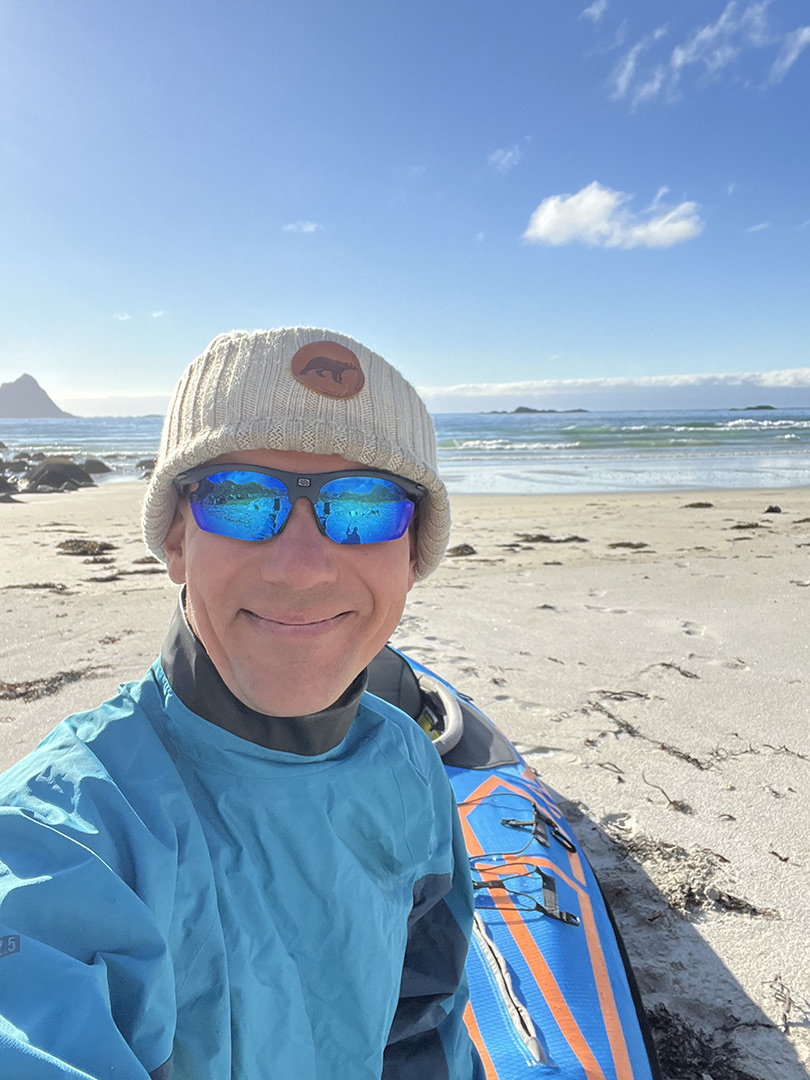
“He thought that the most important thing is to give the people you are leading the ability to maximise their potential in a positive way – so not to push them, but actually give them room. Watching his presentation crystallised the kind of leader I want to be. I want to be there when my group members need support, to encourage them but also to step in if I think they are getting burned out. I used to be a total workaholic but then I realised that one needs to grow older, so it is not really helpful. So, I have learned to let go and do other stuff that actually helps give me energy. I love running – I started when I was 16 and am still at it. It is almost meditative. It is a private space for me to just think.”
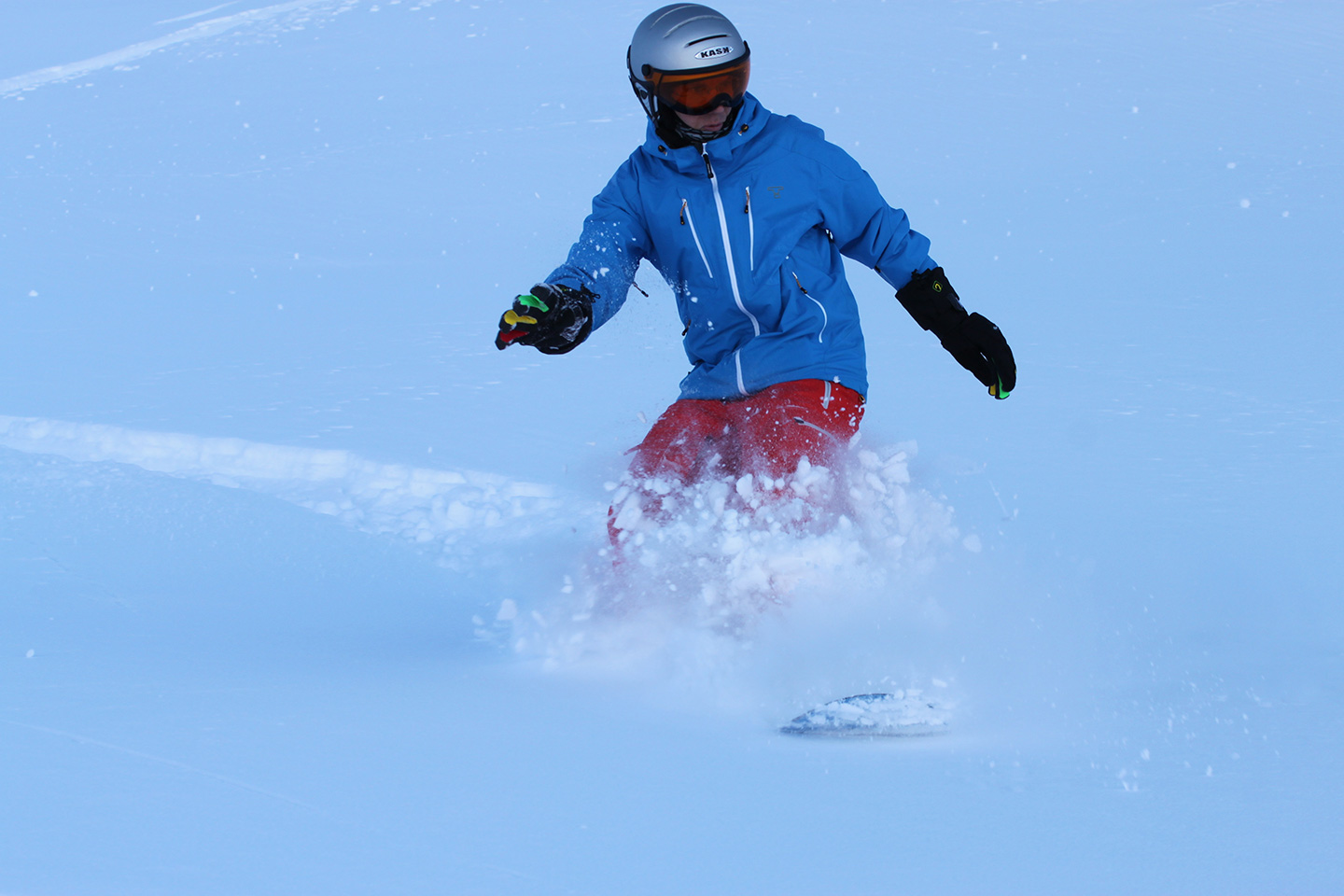
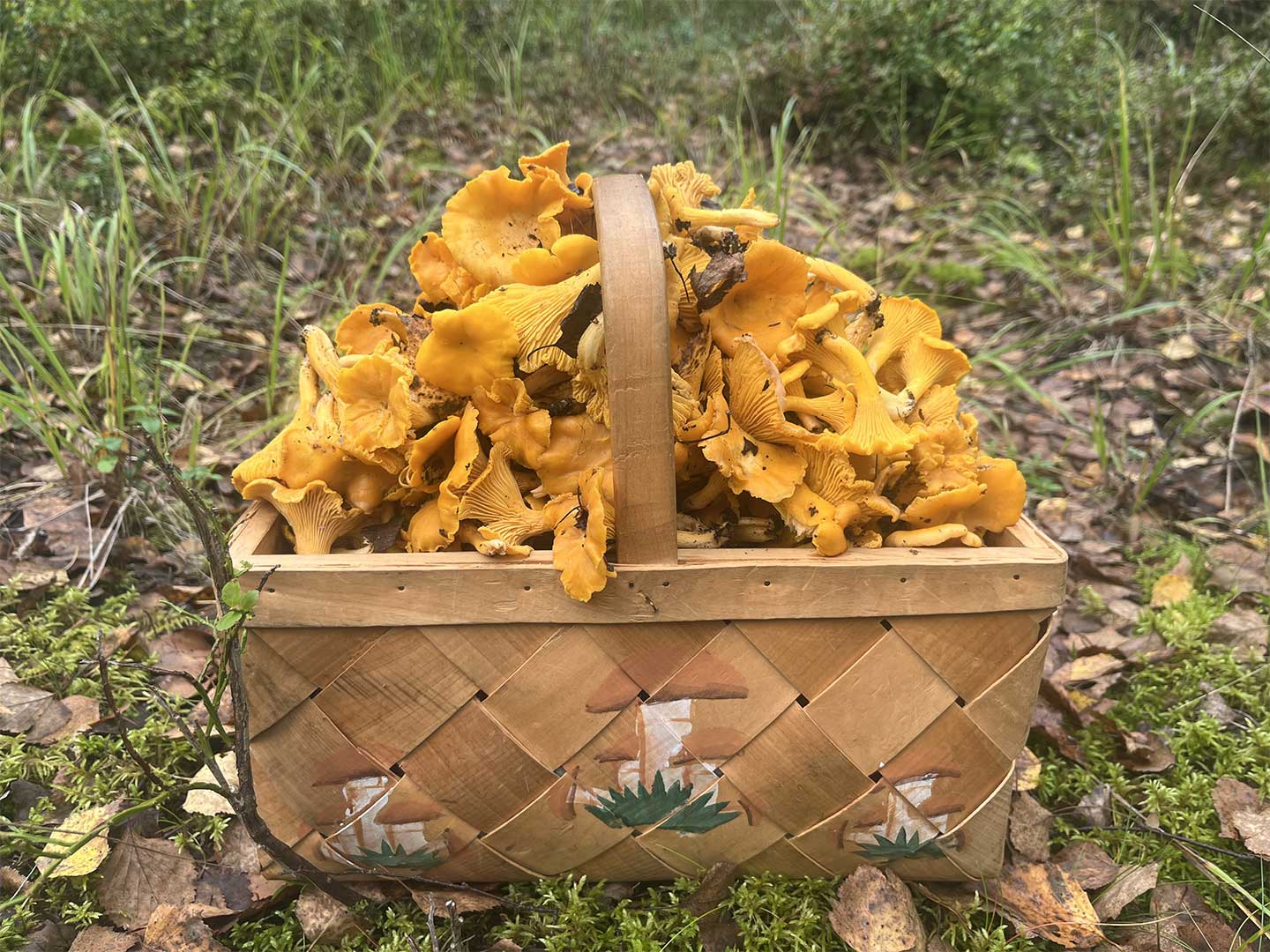
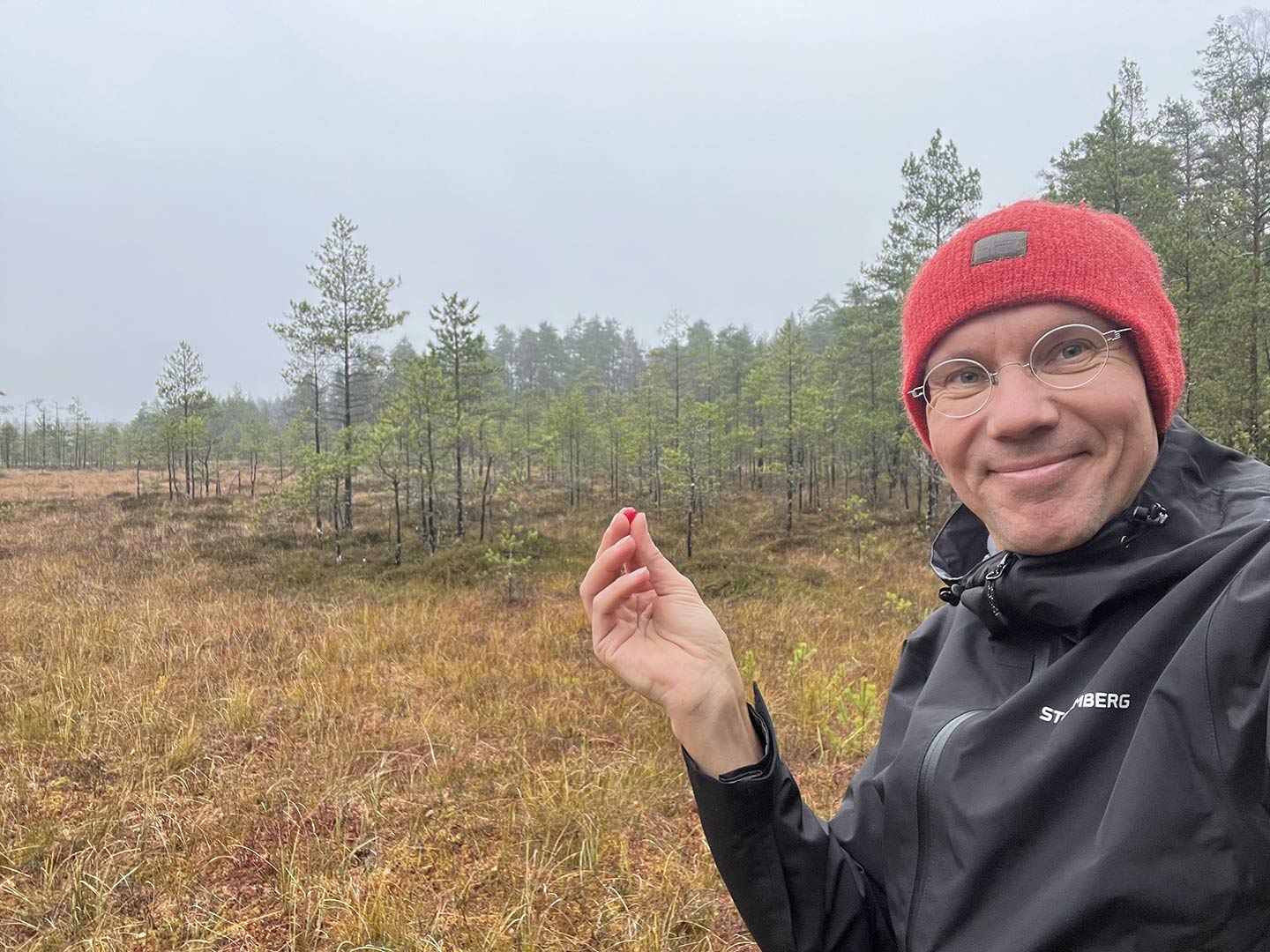
Jukka eloquently describes his love of running on a gravel road through fields, forests and along the coastlines of Finland and Norway. He talks of roaming in nature with his family and foraging for mushrooms; the need to avoid anything poisonous keeps him focused and stops his mind from drifting back to scientific questions. He also notes a knee injury he sustained from a snowboarding accident over 15 years ago while attempting a double cork off piste – proof that his curiosity extends well beyond the lab.


Outside of nature, Jukka has me in stitches, unveiling a hidden rockstar lifestyle and a past defined by ponytails and earrings.
“I tried to be very cool. I wanted to be different and not the usual academic. I aspired to be this freethinker. My mum did not like it too much. I still had earrings until I became a postdoc, and then I applied for a job and thought I better grow up. I actually got an ear infection from the earrings too.”
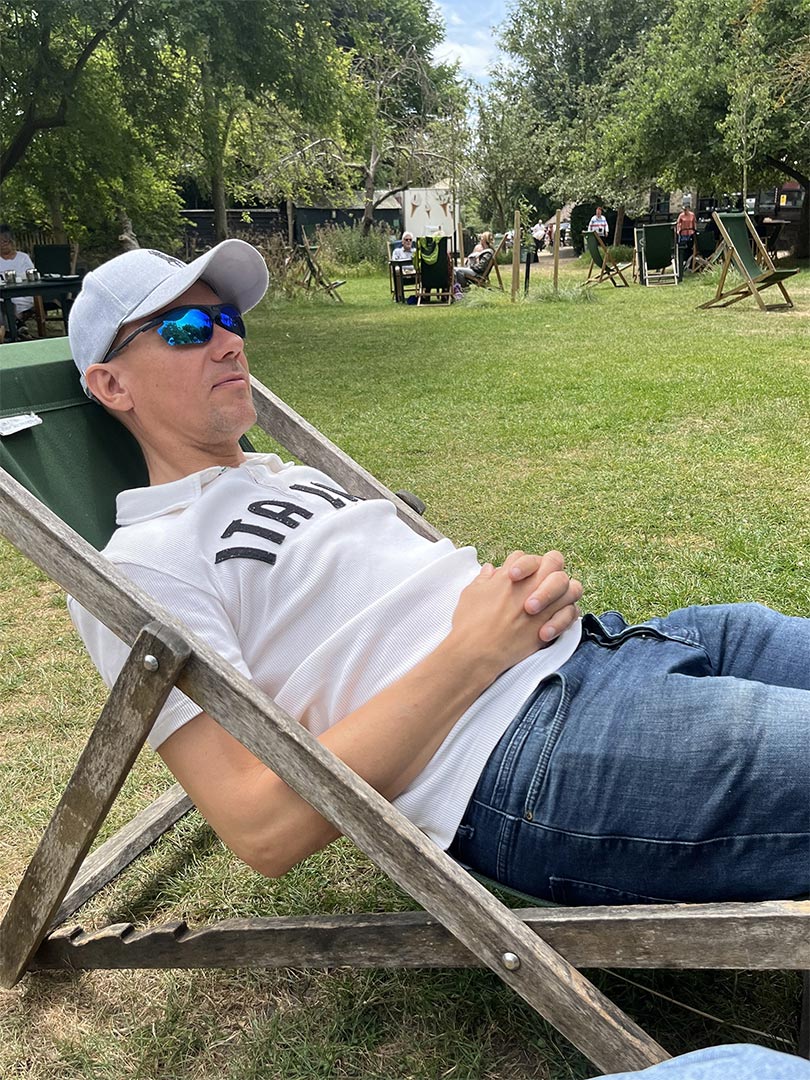
But while the ponytail and earrings may be gone, the lifestyle itself is very much alive. Jukka fondly recalls his love of dancing freely, his rave-filled past and a recent trip to an over-40s rave in Finland.
“They do it once a month. My wife and I went a few years ago to celebrate our 30th wedding anniversary. We ended up dancing for several hours almost without a break. It was amazing but so exhausting. I love it because young people cannot enter – you have to show your ID.”
For Jukka, those nights on the dancefloor reflect a broader philosophy: staying open-minded, curious and willing to embrace experiences that fall outside the expected path.
“The most important thing is to have an open mind – this has worked well for me. Also, you have to be prepared to go the extra mile for something you are passionate about. I would advise people to immerse themselves and not be afraid. There will inevitably be elements of self-doubt and frustration, but the challenges make it rewarding once you manage to crack the problem.”
It is clear that Jukka is constantly inspired by evolution – through his current career, and even his dream alternate one as a palaeontologist. In tracking E. coli evolution, he finds himself in an Alice-in-Wonderland race, running fast just to avoid falling behind as the bacteria keeps changing – luckily, he has a lot of practice at that.


