


Image credit: Mark Thomson / Wellcome Sanger Institute.
Genomics research generates vast datasets, particularly from single-cell and spatial technologies, with artificial intelligence (AI) offering new ways to analyse them. Data experts provide crucial support to clean, analyse and interpret biological information to generate useful insights. But what does a bioinformatician do? And do biologists still need to learn some basic coding? We caught up with Keerthi Priya Chakala, a bioinformatician at the Wellcome Sanger Institute, to find out more.
Human skin is fascinating. Not only is it the largest organ in the human body, but it is also a very complex, layered tissue. It contains many cell types and specialised structures, from immune and vascular cells to follicles and glands. From birth, it is our first point of contact with the outside world and a direct interface for the immune system. This complexity is evident when we think of what can go wrong with skin, including common conditions like eczema and dermatitis, as well as melanoma, which is the fifth most common cancer in the UK.1
As a bioinformatician, Keerthi’s work sits at the intersection of biology and computing. Working in Professor Muzz Haniffa’s group at the Sanger Institute, her research enhances the scientific understanding of human skin – from before birth through to adulthood. Using cutting-edge sequencing and spatial technologies, she processes huge volumes of data to map out an atlas of healthy skin. This research helps explain how skin develops, functions, and changes with age – and ultimately, how things can go wrong in disease.
In a recent interview, Keerthi shared her career journey and a fascinating glimpse into her life beyond the lab, from growing up in India to her extensive globe-trotting and love of books and coffee.
What do people find surprising about your work?
People often underestimate the variety in a bioinformatics role. A bioinformatician wears many hats, including data analyst, software developer, informatics specialist, part-time statistician, part-time biologist, and – of course – full-time problem-solver!
My job is fairly unusual because I’m not tied to a single project but instead support different projects across the lab. The common theme is skin biology, particularly prenatal and paediatric skin. I process and analyse single-cell RNA sequencing data to see which genes are active in individual cells and spatial transcriptomics data to map where those cells are physically located in the skin. This involves working with millions of RNA fragments across thousands of cells, each expressing thousands of genes. It can sound overwhelming, and to be honest, sometimes it is.
I build custom data processing workflows to turn raw sequencing data and noisy gene expression tables into clean, structured insights that help us interpret how cells function over time or across conditions. The goal is to move the information from chaos to clarity and generate a detailed map of the cellular landscape. It feels like piecing together a giant puzzle – every fragment of data from each cell adds shape to the bigger picture of what is really going on inside the tissue.
“It feels like piecing together a giant puzzle – every fragment of data from each cell adds shape to the bigger picture of what is really going on inside the tissue.”
Why did you choose to research skin?
That is actually another aspect of my work that surprises people! We tend to think of skin as just a protective layer, but it is one of the most complicated organs of the human body. In fact, our team could be viewed in a similar way to skin itself, with many separate aspects working together, including wet-lab scientists, computational biologists, imaging specialists and clinicians.
My team’s work contributes to the skin cell atlas, part of the Human Cell Atlas, which aims to create a reference map of healthy skin cell types. This will be used as a baseline to compare against diseased skin, helping us understand what changes occur in different conditions. We rely on the Sanger Institute’s specialised infrastructure, large-scale data storage and compute power, alongside sequencing expertise to achieve this. From the sequencing team, I receive raw single-cell and spatial transcriptomic data. My first step is to remove any low-quality cells and clean any technical errors in the data. Then, I cluster cells together that show similar gene expression patterns. Using genes that are known to act as markers for different cell types, along with genes that are expressed differently between groups, I label the clusters to identify which cell types are present. In addition to identifying cell types, we see where they are located in the tissue and how they are organised, communicate, and protect the body through the immune system.


Example of UMAP skin cell fibroblast data (left) and Xenium skin cells imaging and data points (right) taken from a Sanger Institute research paper that Keerthi contributed to. Image credit: Steele L, et al. DOI: 10.1101/2024.12.23.629194
What was your path into bioinformatics?
Growing up in an Indian Army family, I dreamed of becoming an army doctor. My father served in the medical corps, so much of my childhood was spent in army schools, military bases, and hospitals. Being surrounded by medicine and healthcare daily made me curious about how the body works and why diseases happen. That curiosity has stayed with me and shaped my path in science. We also travelled extensively; I must have lived in more than 10 cities across three or four countries during that time.
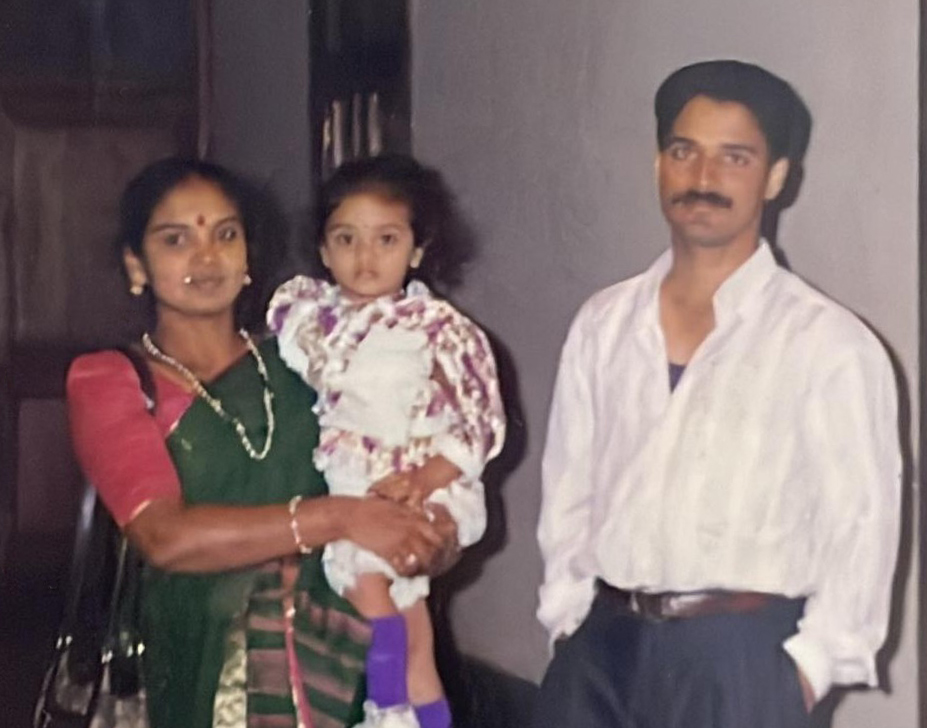
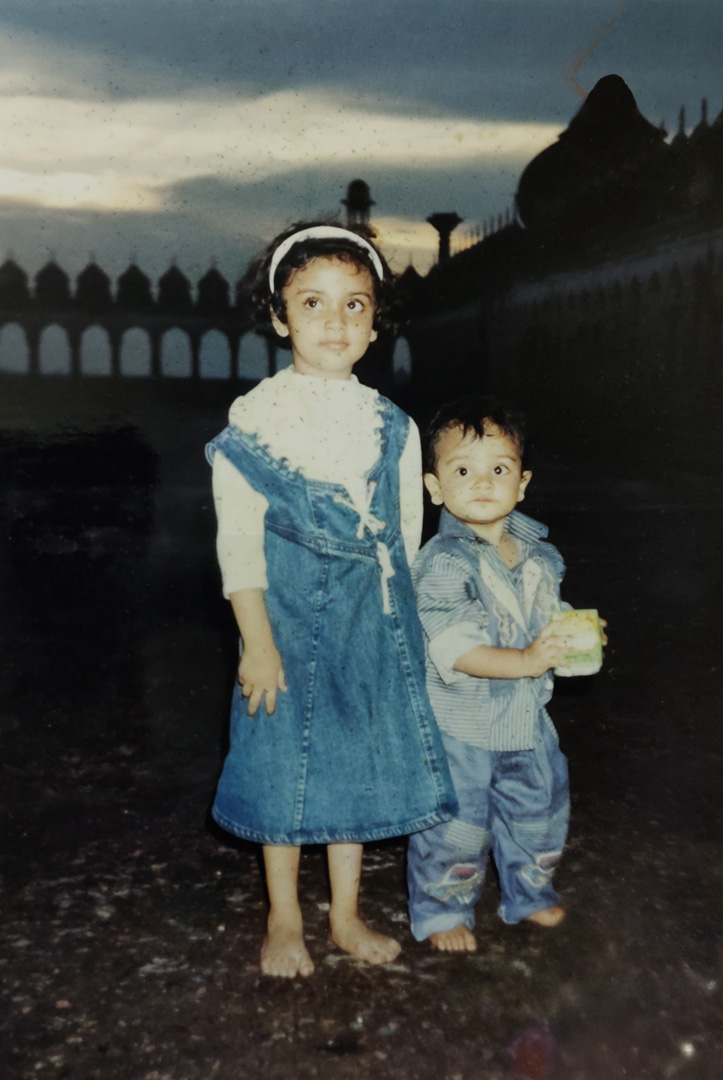

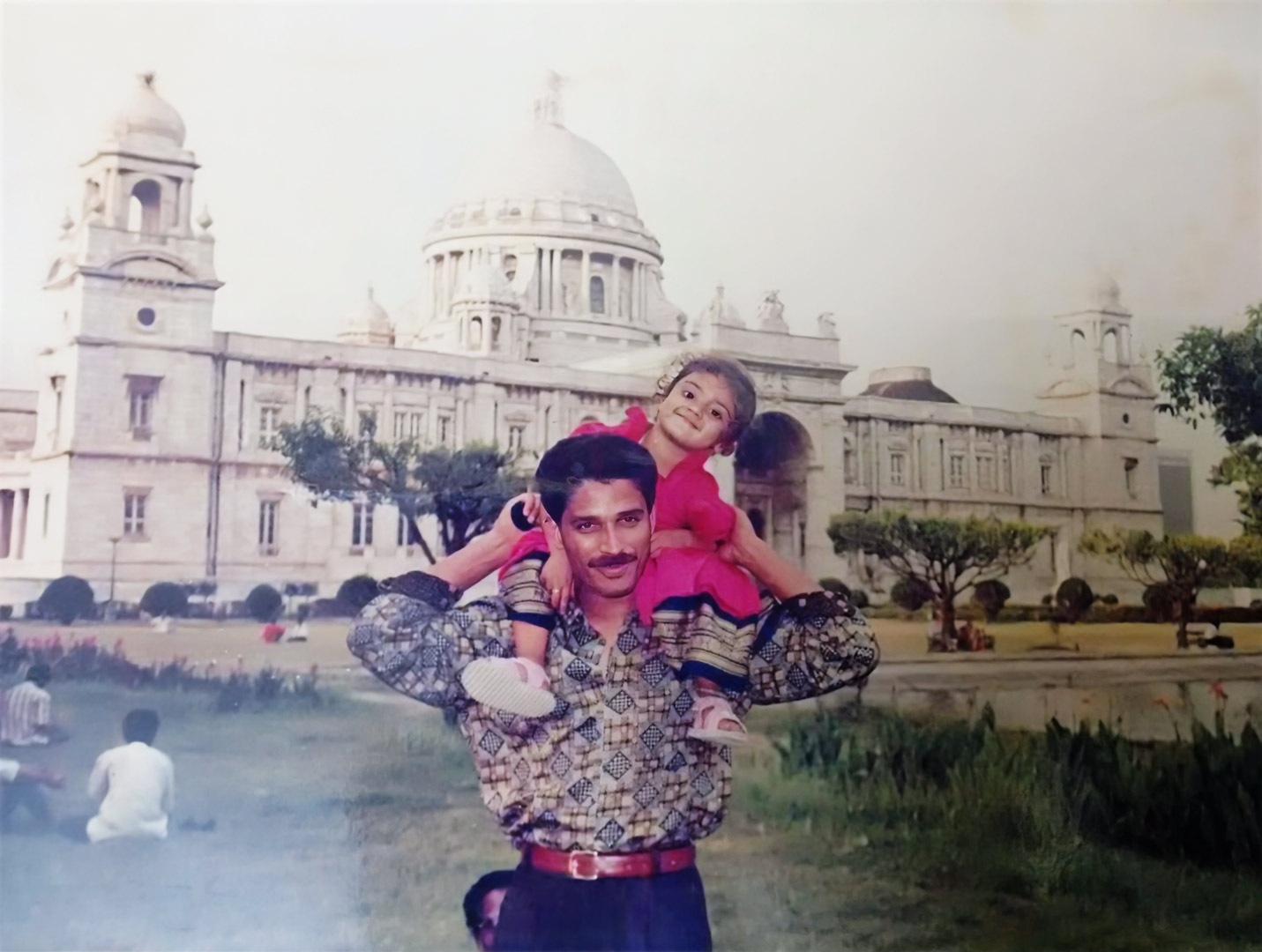
Later, as an adult, I am still passionate about travel. I find it thrilling to explore new places, and one day I hope to travel to every single country. My favourite quote is from The Lord of the Rings: “Not all those who wander are lost.” I enjoy exploring the food across different cities and especially visiting cafes, because my main love is coffee!
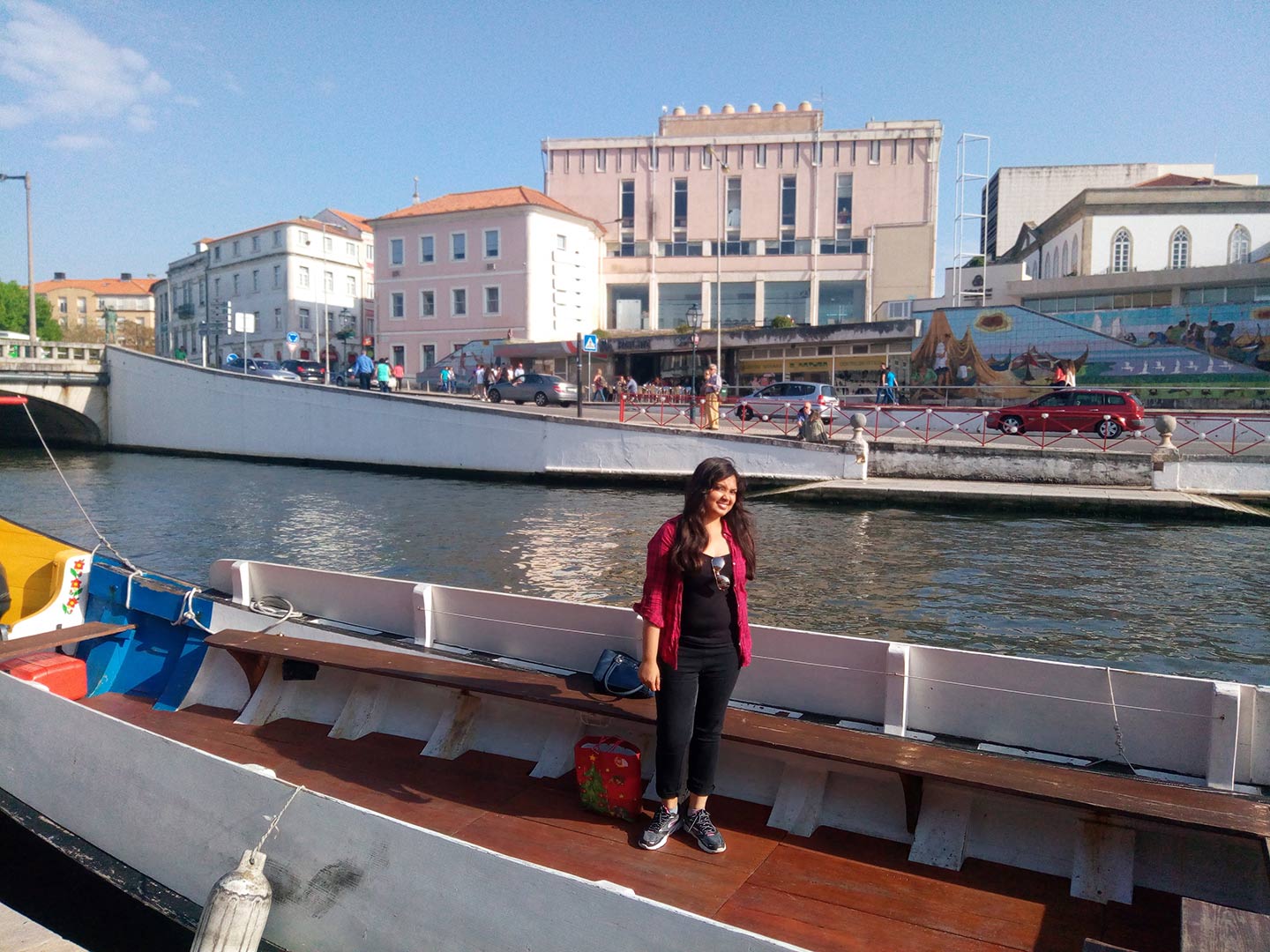
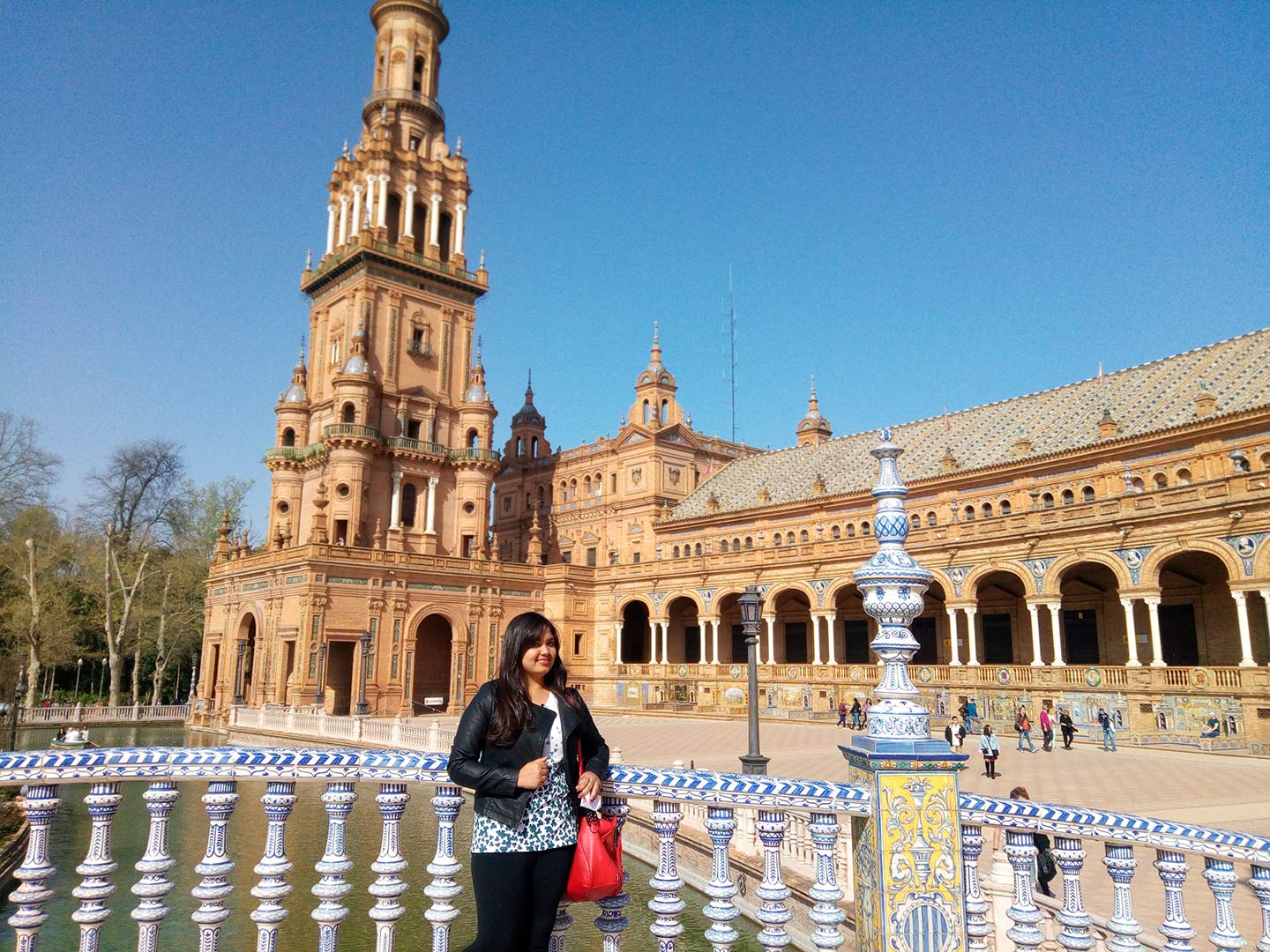


In high school, I enjoyed maths, computer programming, and biology. At first, I wanted to become an army doctor, but the competition was tough, and my application was not successful. Instead, I chose to study for an integrated master’s degree in biotechnology at Vellore Institute of Technology (VIT), a university in India. It was the first time I had stayed in one place for four years.
During my degree, I discovered bioinformatics and realised it combined my love for biology and computers. It felt like the perfect career path. Researchers were starting to generate huge amounts of biological data, and someone had to analyse it. As part of a semester-abroad programme, I travelled to Portugal for my master’s project with Dr Armindo Salvador at the University of Coimbra. I studied how normal and cancer cells respond differently to hydrogen peroxide, whilst also learning programming and mathematical modelling.
Afterwards, I moved back to India to work as a scientific data analyst in the pharmaceutical industry, preparing clinical trial data for machine learning. During this time, I realised that I really missed asking open scientific questions. Processing data was valuable, but I wanted to explore biology more deeply, not just deliver outputs. That curiosity pulled me back to research and bioinformatics, so I moved to the University of Glasgow for a second master's degree in bioinformatics and stayed on afterwards as a junior bioinformatician. What later drew me to the Sanger Institute was the access to cutting-edge resources and the freedom to explore and innovate.


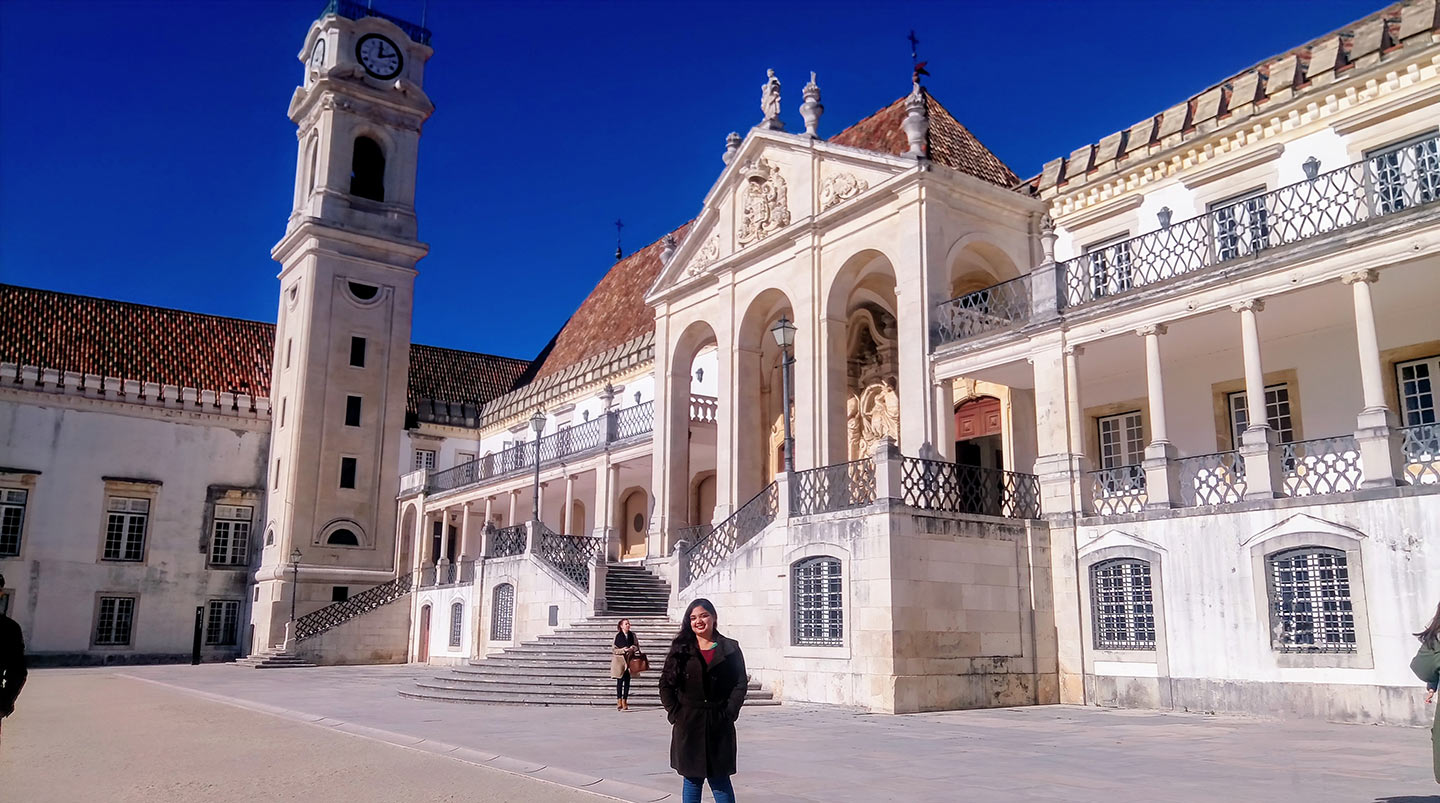


Alongside research, I also enjoy teaching and sharing knowledge. Many people think coding is too tricky, but I truly believe anyone can learn. I set up a bioinformatics training club for my team, especially for laboratory-based scientists who want to build their computational skills. I also helped design hands-on coding activities for primary school children to use with a micro:bit, which is a credit card-sized computer chip that can easily be programmed to light up and beep in response to inputs, such as shaking. These activities will be available later this year on YourGenome.
What excites you about the future?
In my area of science, I am excited about technological advances, including spatial technologies like the Xenium platform by 10X Genomics. These tools deliver high-resolution, automated maps, helping us understand how tissues are organised and how they function.
I am also interested in how AI, especially machine learning, opens up new ways of exploring multi-omics data by finding connections in biology that would be hard to spot otherwise. The Sanger Institute launched an AI strategy this summer, which is part of our wider focus on digital transformation across the Institute. My team is part of the Cellular Genomics Programme led by Muzz Haniffa, and her research vision is also deeply grounded in AI.
Now that I have plenty of real-world, hands-on bioinformatics experience, for the next stage in my career, I plan to apply for a PhD. I would like to work on a project that brings together spatial biology, multi-omics, and machine learning to better understand complex tissues like skin and its role in the immune system.

What do you enjoy outside of work?
I am a keen reader, and this year I made it my New Year’s resolution to read more, since it became hard to keep up with reading when work got so busy. I mostly enjoy thrillers and murder mysteries, but I read everything. Right now, I’m reading two books – A Summer in Skye by Alexander Smith, which has inspired a trip to the Isle of Skye, and The 7 Habits of Highly Effective People by Stephen R. Covey, which remains practical and relevant 30 years on. If I have time, I also like to have people over for food, or I make cocktails.
What advice would you give your younger self?
Don’t be afraid to try things, and don’t give up if they don’t work. Broken code, failed experiments, or unexpected results are all part of the process. You often learn the most when things go wrong. Be open to taking paths that aren’t always the ‘standard’ ones. Apply for the opportunity, test the new tool, and ask the question. Worst case, you learn something. Best case, you surprise yourself.
"Don’t be afraid to try things, and realise broken code is part of the process."
Find out more
Reference
- Cancer Research UK. Melanoma skin cancer statistics. [Last accessed: September 2025].


