


Image credit: David Levene / Wellcome Sanger Institute
Many sci-fi movies descend into chaos once there has been a lapse in safety – from Jurassic Park to Alien – scientists and governments in these movies forget to stick to protocols or take short cuts, mostly for the entertainment of their audience. However, in the real evolving world of genomics research, health and safety is not just a checklist – they are the foundations that support every experiment, innovation and discovery.
Listen to this blog article:
Listen to "Five ways Health and Safety are enabling our science" on Spreaker.
Whether you are working with advanced sequencing technologies, handling biohazardous materials or managing high-containment labs, this space is designed to keep you informed, prepared and protected. Through practical advice and training from our Health and Safety team, we aim to foster a culture where safety is second nature.
In this blog, we outline five ways our Health and Safety team at the Wellcome Sanger Institute is supporting staff to keep our labs running smoothly, our people protected and our experiments safely within the realm of reality and away from any sci-fi catastrophes.


1. Risk assessment
Understanding the risks associated with the work at the Institute is a critical element of the Health and Safety team. By understanding these risks, the team can help individuals implement the necessary control measures in a way that is practical and proportionate. Risk assessments help us identify the range of hazards, who is at risk and how to manage or control these risks – traditionally for work on site but increasingly for off-site work too. We have extensive field work, particularly in the Tree of Life and Parasites and Microbes programmes, for which the Health and Safety team provides expert advice to enable off-site work to progress safely and in a timely manner.
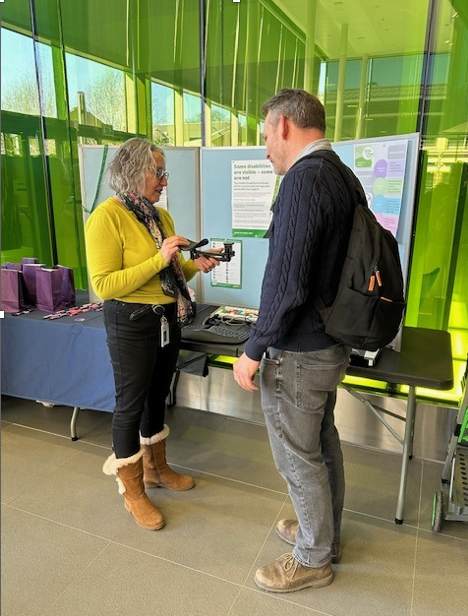
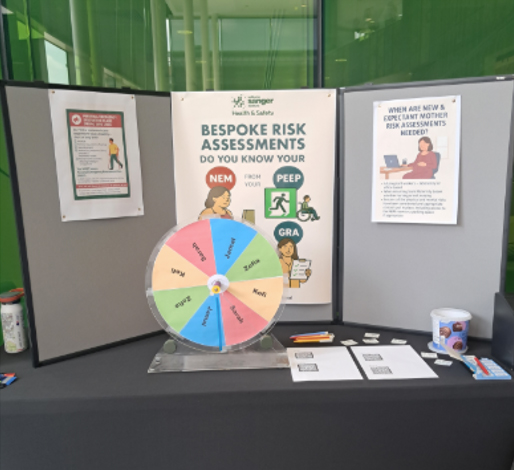
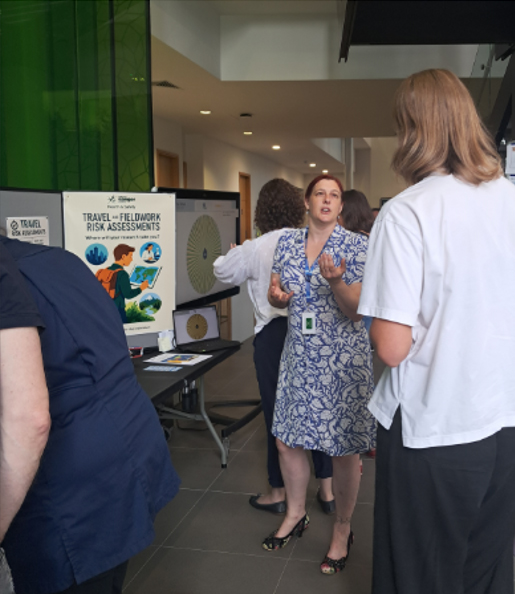
Health and Safety team at their recent Institute pop-up, providing advice and assessing risks with colleagues. Image credits: Wellcome Sanger Institute.
For example, the Institute’s Wellcome Connecting Science team offers a lot of training courses across countries in Africa, Asia and Latin America. These courses provide hands-on training to strengthen existing scientific talent and foster sustainable and collaborative communities.
To continue to enable global capacity building, the Health and Safety team works closely with Connecting Science colleagues to understand and minimise any potential risks for those travelling. The risk assessment is guided by information from the Foreign Office on country status, Connecting Science’s local contacts as well as adequate preparation and practical safeguarding steps to take in the event of circumstances changing quickly.
“Our work in delivering courses globally takes us to a wide range of environments, each with its own set of challenges. The Health and Safety team help us feel prepared and supported by asking the right questions to guide our risk assessments. Their input ensures we have considered all the key factors and have plans in place to mitigate risks so we can focus on delivering impactful training safely and confidently.”
Dr Michelle Bishop,
Associate Director, Learning and Training, Wellcome Connecting Science

2. Advice
Scientists are responsible for ensuring that they are running their experiments safely. However, they are not safety specialists. The Health and Safety team provides researchers with advice to understand what they have to do and give them the tools they may need to support their work. At the Sanger Institute, the team operates a help desk for responding to colleagues’ enquiries. These can include administrative issues, finding the most suitable guidance, technical questions on hazardous chemicals, risk assessment questions or sourcing appropriate protective equipment. The team also provides a weekly chair surgery – providing ergonomic advice on chairs and computer equipment – to make sure colleagues are comfortable and healthy when working at their desks.
Within the Health and Safety team, there is a range of safety expertise, from microbiology and chemicals to ergonomics and construction. A particular specialism is biological safety, and there are dedicated biological safety officers (BSOs). They look after our Biological Safety Committee – chaired by Professor Nick Thomson, Head of the Parasites and Microbes programme – and submit any activity notifications to the Health and Safety Executive.
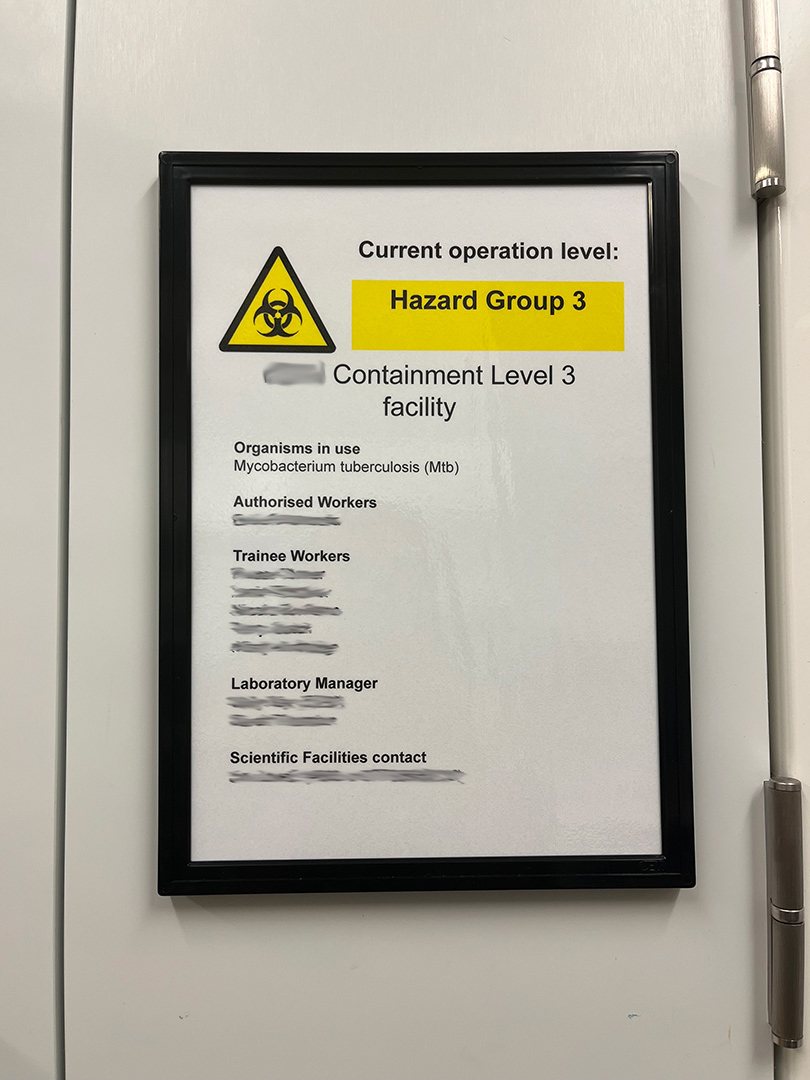

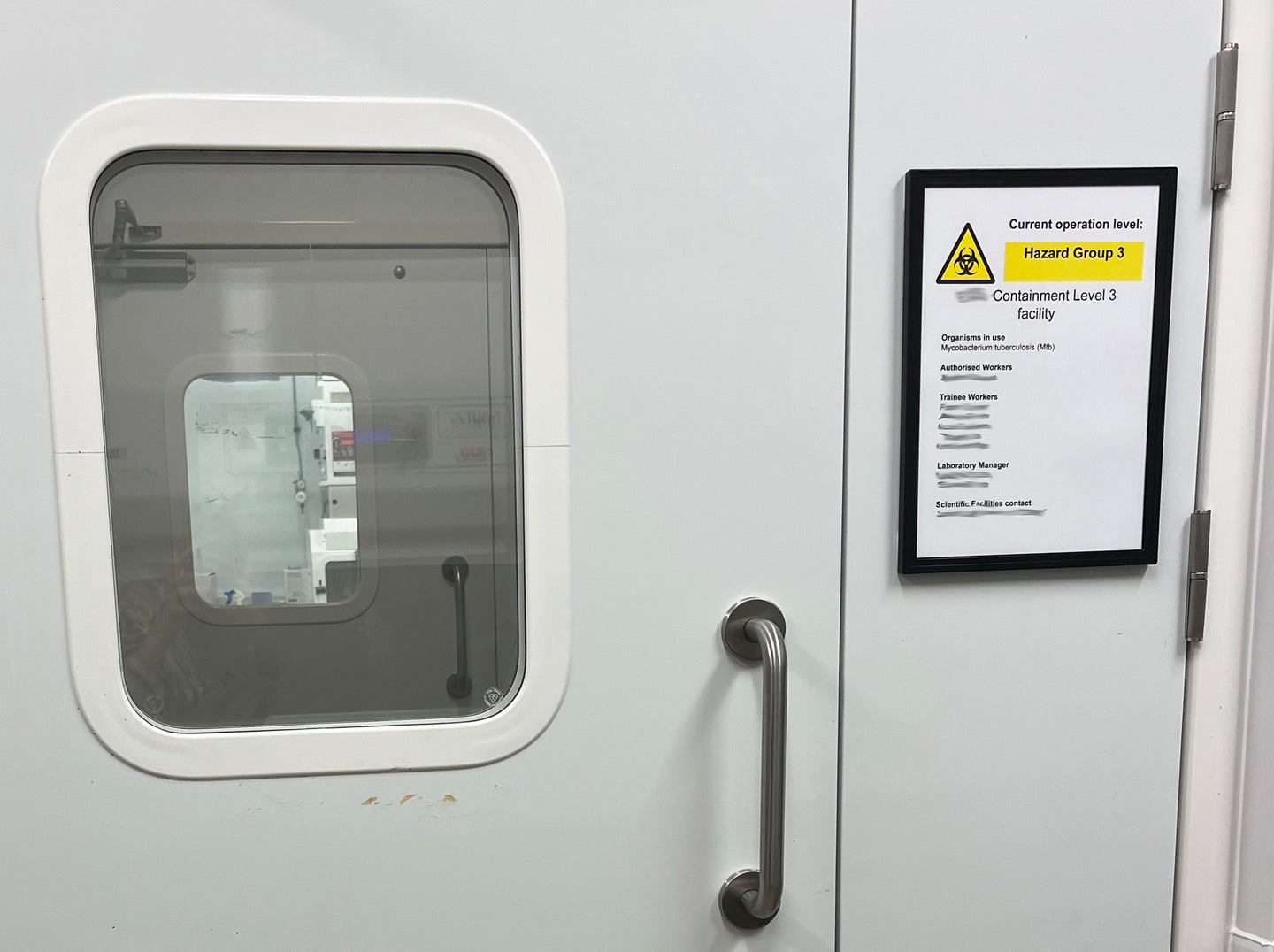

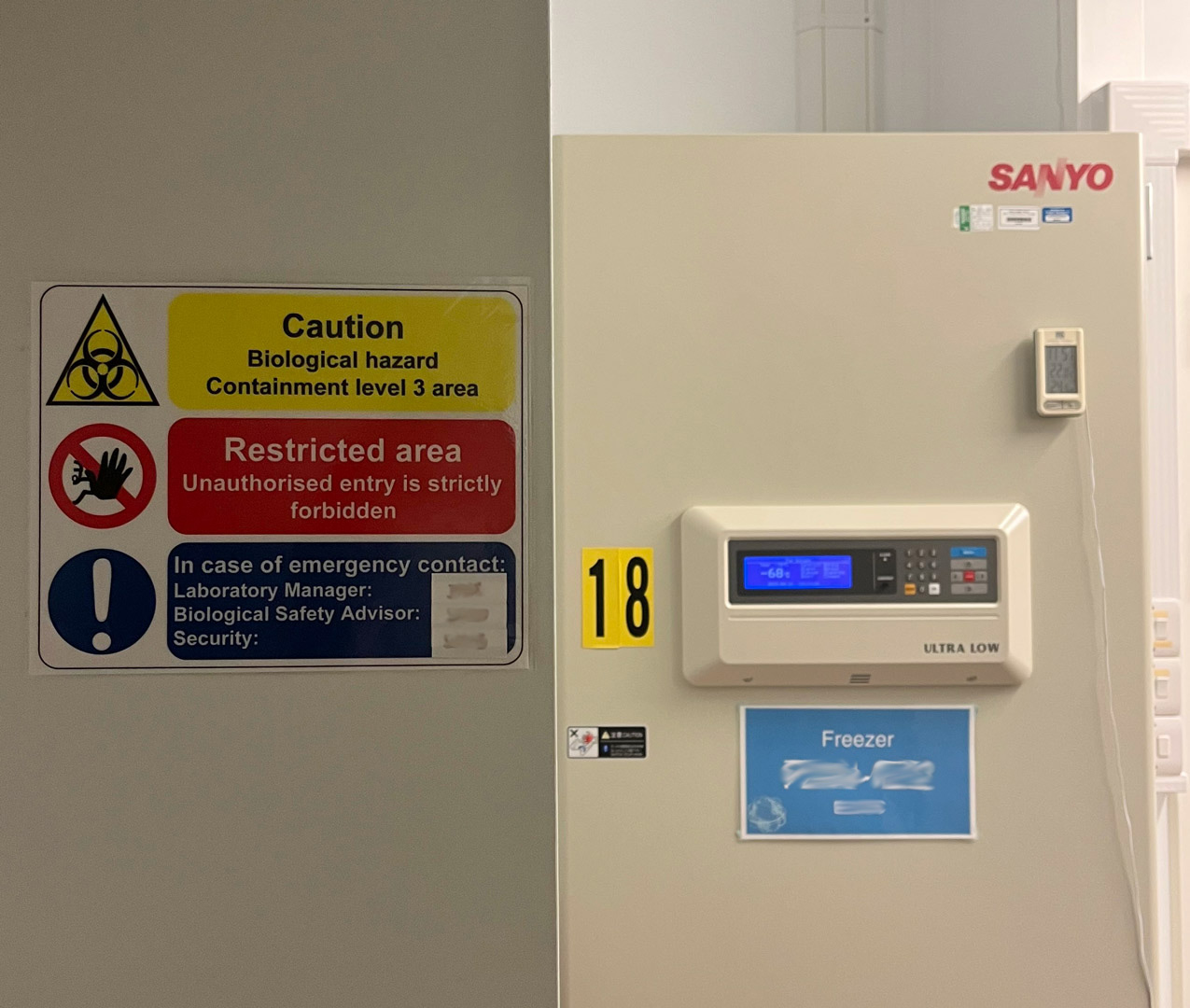
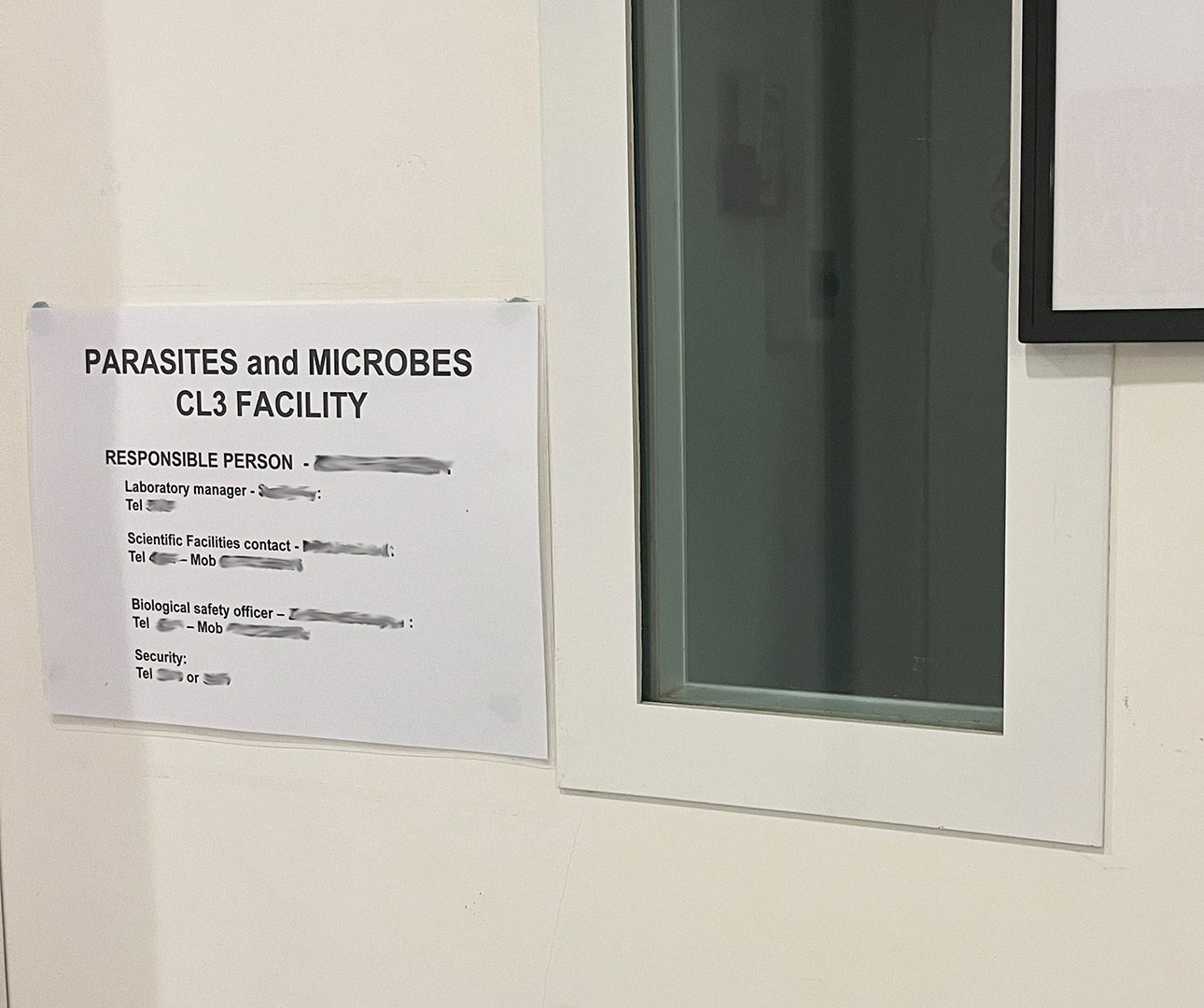
For example, the Institute’s Parasites and Microbes researchers work with a range of microorganisms up to hazard group 3 – handling agents that can cause serious illness in humans. Dr Belén Saavedra, Postdoctoral Research Fellow in Dr Josie Bryant’s team, is working on Mycobacterium tuberculosis – hazard group 3 – trying to optimise culture-free sequencing methods to gain deeper insights into the transmission of tuberculosis. Dr Linda Grillova, Career Development Fellow at Sanger, is one of a few people around the world growing Treponema pallidum, the hazard group 2 bacterium that causes syphilis. Culturing the bacteria can be a challenge as there are so many different steps. Our BSOs and Biological Safety Committee provide expert advice to make sure these types of experiments can be done safely.
“Given the nature of the work in the Parasites and Microbes programme, many of the things we do in the lab is discussed with the Health and Safety team. They are very approachable and are always willing to help. They support us with a range of things including use of specialist equipment, organising scenario-based training, advising workers and inspecting our facilities. Most people working in the labs will know who Health and Safety are and will interact with them frequently to ensure they can do their jobs safely.”
Sally Kay,
Senior Scientific Manager, Parasites and Microbes Core Lab

3. Training
As with many organisations, there is mandatory Health and Safety training that must be conducted by all staff at the Institute, for example, computer workstation training and assessment. But there is also a range of other specific training depending on the different scientific roles. For example, if you work in a lab, you might need to know how to use the centrifuge safely, or access samples in the cryostore – both of which require specific training before access is granted. At Sanger, we do a huge amount of genome sequencing so the Health and Safety team trains specific scientific staff to be ‘ergonomic champions’, that are able to provide advice and training within their teams to reduce the risks of musculoskeletal problems often associated with the repetitive tasks involved in sequencing.
The field of genomics is evolving fast with new technologies and techniques emerging. Therefore, it is important that we have the necessary people who understand these techniques and any potentials risks. As such, the Health and Safety team at Sanger often recruits individuals with scientific and laboratory backgrounds. They also encourage staff to regularly attend conferences and training to stay up to date with the latest developments.
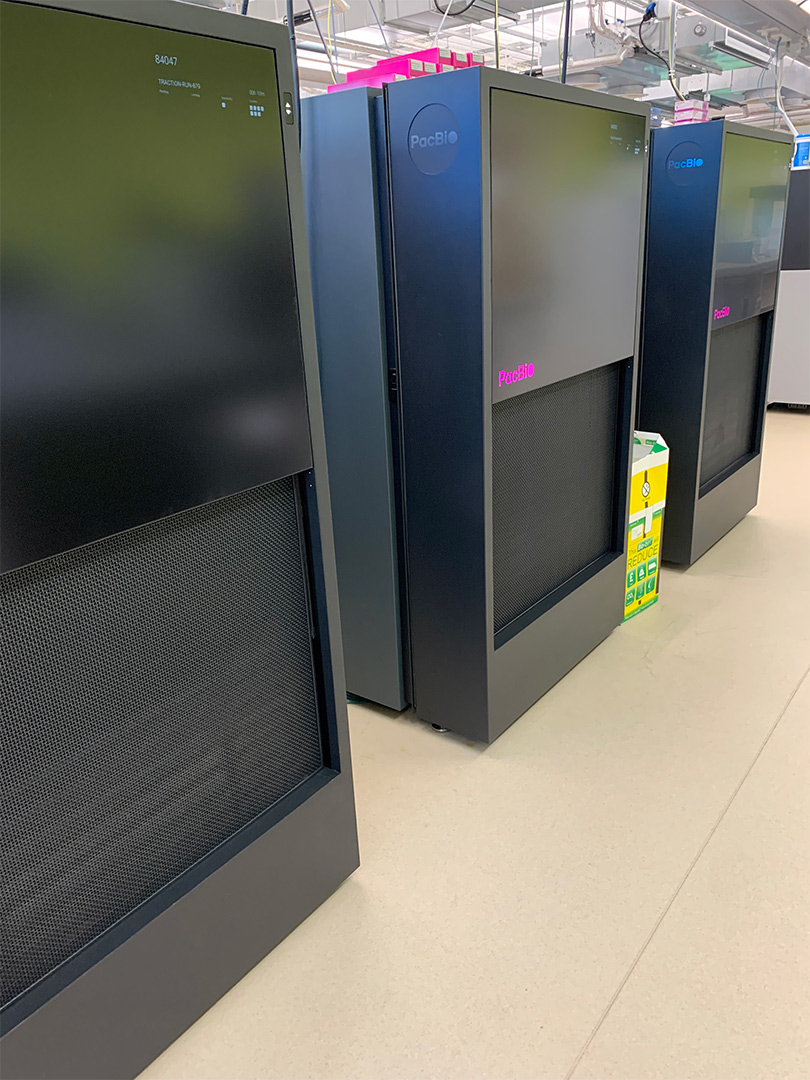
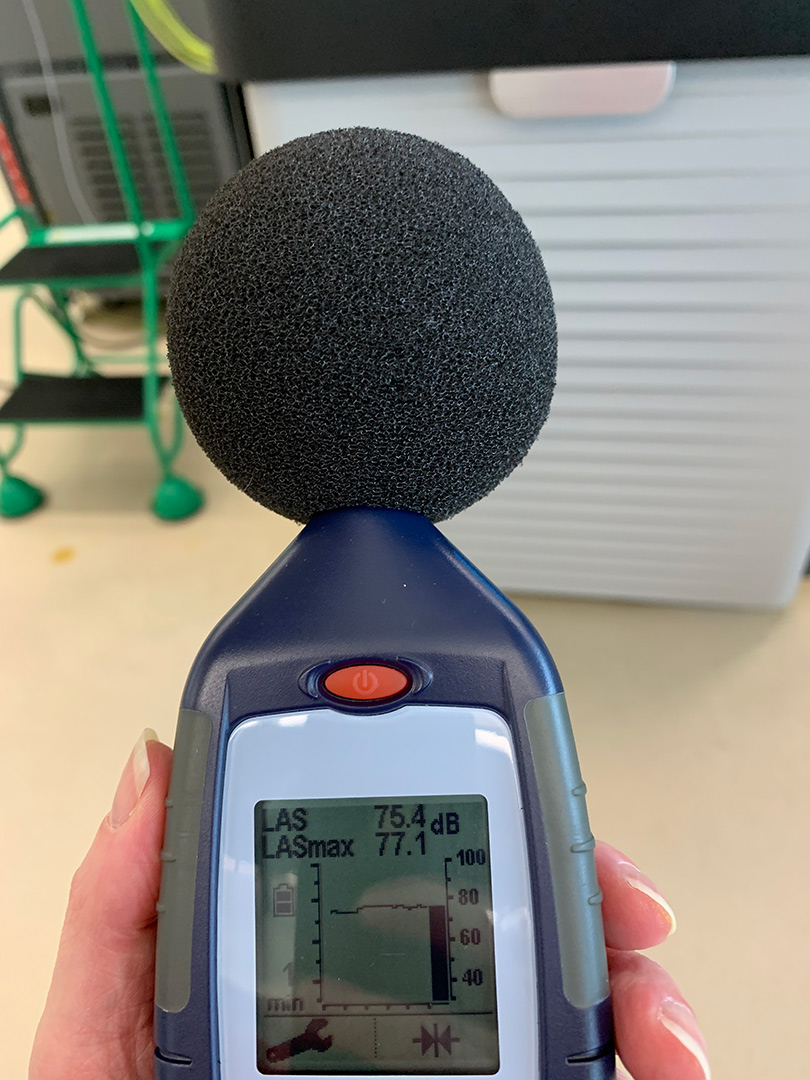
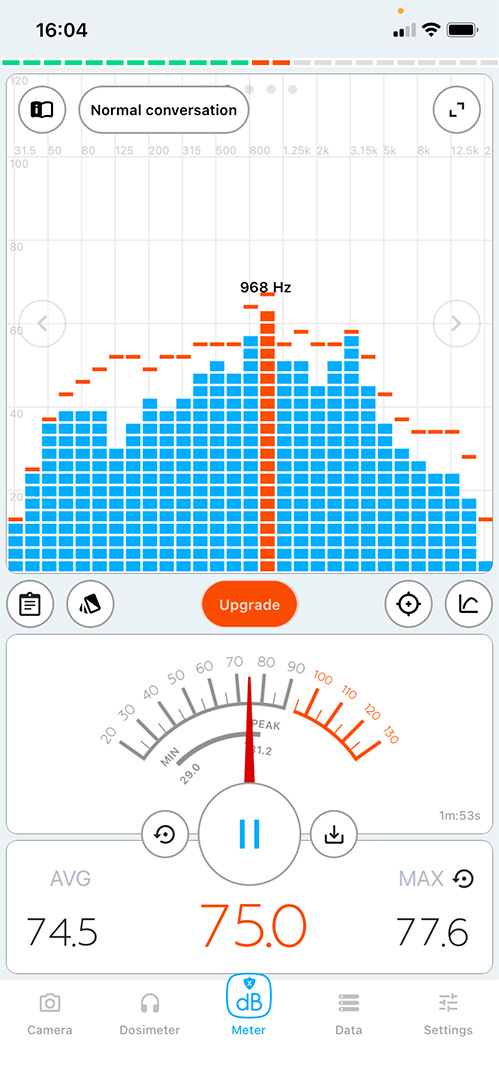

Noise monitoring of our Pac Bio long-read sequencing fleet. Image credits: Wellcome Sanger Institute.
For example, Angela Patterson, Health and Safety Adviser, is a qualified occupational hygienist, who continually develops their skills through participating in the British Occupational Hygiene Society training and conferences. This has enabled them to bring back expertise in noise monitoring and apply this to make sure our Sanger fleet of sequencing equipment in Sequencing Operations can be operated in a way that does not expose our staff to levels of noise that are harmful or a nuisance.
“When the PacBio Revio long-read sequencing fleet first arrived, Angela monitored noise levels, listened carefully to staff concerns, ensured compliance with safety standards and even delivered training on best practices for noise reduction. This support has been absolutely essential to accurately assess the noise impact and implement effective mitigation strategies. Expanding the sequencing fleet has necessitated revisiting the recordings, highlighting future risks and ensuring long-term protections for the team.”
Camille Le Baron,
Project Manager, Portfolio Delivery Team, Scientific Operations

4. Learning from incidents
Accidents at work do not always come with flashing lights or dramatic music but they can have serious consequences. Even the most advanced facilities are not immune to failures in our systems and procedures. This is why a strong safety culture is not just about rules but about awareness, accountability and speaking up before small mistakes become big problems. Every incident, no matter how minor, is a chance to learn and improve.
At the Institute, we have local coordinators, which are voluntary roles based within all the different scientific programmes and departments. These individuals meet on a monthly basis, alongside Health and Safety advisers, to knowledge share and learn from any incidents that have occurred within the programmes.
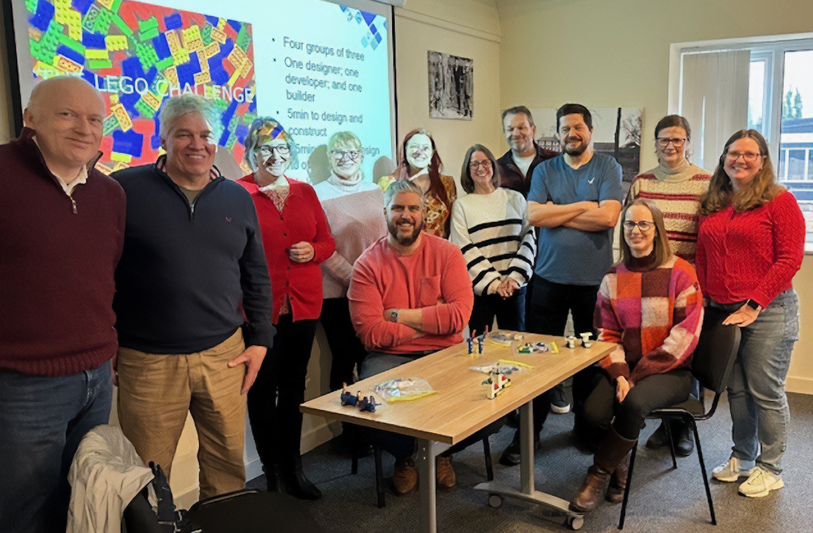
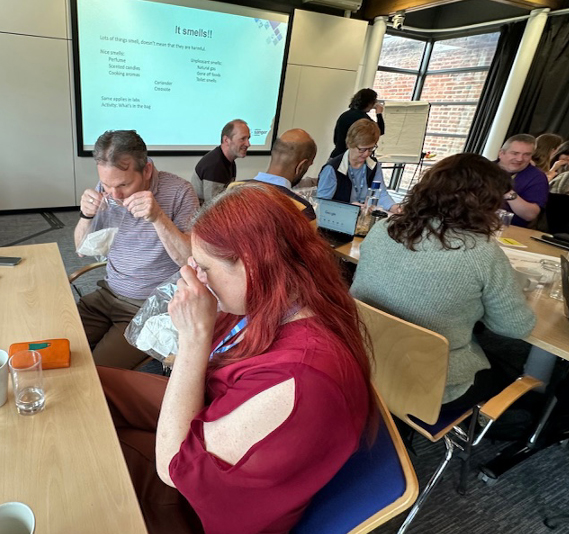
Health and Safety away day (left) and local coordinators training day (right). Image credits: Wellcome Sanger Institute.
If an incident does occur, Health and Safety encourage the teams to investigate to understand why the incident has occurred and what could be done differently in the future. They will then work with the teams to identify measures to put in place. Routine health and safety performance reports are generated for senior leaders to provide an indication of how the Institute is performing and where improvements can be made.
For example, following a number of near misses involving spills of different chemicals, the Health and Safety team was able to put together specific tailored practical advice, which addressed the common issues and delivered training across different teams within the Institute. This has enabled lab staff to handle chemicals in a way that reduces the number of spills and to also be confident and better equipped to deal with them should they occur.
“At our monthly local coordinators meeting, we discuss our hazard and incident report, which provides details on the previous months hazard spots and incident reports across the department. It helps us to identify similar issues and provides an opportunity to address these. The report is also shared with our senior scientific managers and team leader meetings.”
Fran Flack,
Senior Scientific Manager, Sample Preparation, Scientific Operations


5. Benchmarking
As science pushes boundaries, health and safety has to keep pace and not just follow behind. In a field where we are constantly encountering new tools, materials and ethical questions, it is important to ensure that we learn from the people around us. In order to stay at the forefront, our Health and Safety team ensures that they meet up with other similar organisations across England to learn how to tackle similar issues and compare incident types and data.
For example, the incidence of work-related stress across many scientific establishments is growing, with US graduate and master’s students being highlighted for attention in a Nature article last year. Learning how different organisations are tackling this has helped the Health and Safety team, working with Human Resources, to develop a health, safety and wellbeing framework, that looks at stress at different levels and provides practical tools for assessing and managing stress.

Health and Safety Team 2025. Image credit: Wellcome Sanger Institute
“We all come to work to do a good job and go on and fulfil our interests, but we also need to be able to go home at the end of the day knowing our work hasn't caused any harm. That's what I think health and safety is about. It is not about putting barriers in the way. It's not about paperwork. It's about doing something that actually protects people, makes them able to do their work safely and not affect other people.”
Mike Paton,
Head of Health and Safety, Wellcome Sanger Institute


