


Image credit: Project Jaguar
Genomic research is lacking representative data, which limits our ability to understand diseases and develop treatments. To fix this, we need to prioritise local leadership, capacity building, and equitable partnerships. Dr Gosia Trynka, Group Leader at the Wellcome Sanger Institute, shares her experience with Project JAGUAR, a large-scale Latin American genomics collaboration that aims to make genomics data more representative and support fair science and healthcare.
Listen to this blog story:
Listen to "Making genomics data more representative through Latin American research" on Spreaker.
 Genomics research data around the world does not accurately represent the diversity of humans. The World Health Organization warns that unless we collect and share data responsibly, particularly from under-represented regions, genomics will not live up to its promise for global health.¹
Comprising 33 countries and territories, Latin America is a vast region that is approximately 80 times the size of the UK, with around 667 million people living there.² However, globally, most genomic research data come from people with European ancestry, including 90 per cent of participants in genome-wide association studies, or GWAS.³ In contrast, people with Latin American and Caribbean ancestry represent less than two per cent of GWAS participants.
“Latin America is a fascinating region to study, rich in unique history, ancestry and environmental diversity, but completely under-represented in genomic research. It’s a substantial proportion of the global population with very little data."
Dr Gosia Trynka,
Group Leader, Wellcome Sanger Institute
Latin America’s genetic diversity reflects centuries of evolution and migration from African, European, Asian and Native American populations. Researchers have shown that this genetic richness has wide-ranging effects on health and fitness.⁴ To gain a comprehensive understanding of human biology, genomic data must be collected from a group of people that truly represents the wider population of interest, such as those affected by a particular disease. The people need to represent key demographic categories, such as ethnicity, gender, age and more. This issue is even more pressing for clinical trials because unrepresentative data may lead to medical treatments not working effectively for many people worldwide.⁵
Project JAGUAR, launched in 2021, is a large-scale collaboration between the Sanger Institute and Latin American research institutes that aims to address these gaps in genomics and health data. Gosia is co-Principal Investigator for Project JAGUAR. The goal of the project is to create the first comprehensive immune cell atlas for people of Latin American ancestry, using an advanced technology called single-cell transcriptomics, which measures the activity of all genes in each cell. An immune cell atlas is a high-resolution reference that maps every type of immune cell and details how genetics shapes differences in immune cells across individuals and populations.

Project JAGUAR logo
By better understanding genetic ancestry, Project JAGUAR is building a foundation that will enable researchers to develop more effective treatments for specific populations. For example, a separate research collaboration published a study in 2024 that identified genetic differences between indigenous Andean and Amazonian populations in Latin America, which led to differing responses to the heart medications rosuvastatin, a statin, and warfarin, a blood thinner.⁶ The role of genetic ancestry in response to treatment reinforces the need for Project JAGUAR’s mission – to ensure genomic research benefits everyone.
Their findings could also explain why some populations are more at risk of certain autoimmune diseases than others. For example, systemic lupus erythematosus, or SLE, is a chronic autoimmune disease in which immune cells mistakenly attack the body’s own tissues.⁷ SLE causes widespread inflammation across multiple organs, and there is no cure, only treatment aimed at symptom management or prevention. Whilst SLE disproportionately affects people within Latin America,⁸ as mentioned earlier, clinical trial data are often centred on people of European descent. SLE is more severe in Latin American populations; for example, African-Latin American people suffer more severe renal disease as a result of SLE, yet treatments often do not reflect these specific risks because these populations were not previously considered in the drug trials.⁹
“More representative genomic datasets, such as those being generated by Project JAGUAR, will help researchers better understand the genetic and immune cell triggers that cause immune disease like systemic lupus erythematosus and develop more targeted treatments for these patients."
Alejandra Medina Rivera,
Group Leader, The National Autonomous University of Mexico
The project is recruiting over 1,000 healthy people across various Latin American regions, with a target of 120 individuals per population. The teams investigate how ancestry influences immune system regulation. Now that many sites have finished collecting samples, the project is generating and analysing the emerging data. Beyond the impact on the research of immune systems, Project JAGUAR is delivering wider benefits for all countries involved.
How Project JAGUAR is building equitable scientific collaboration across Latin America
Through intentional planning for equitable collaboration, Project JAGUAR is setting new standards for international research partnerships. The history of European colonialism and racial hierarchy has left a longstanding legacy throughout Africa, Asia, and Latin America, and the impact of this is still felt within scientific research today.¹⁰ The practice of ‘helicopter’ or ‘parachute’ research is still rife.¹¹ Nature has described this practice as “when researchers from higher-income or more privileged settings carry out research in resource-poor settings with limited to no involvement of local communities or researchers.”¹²
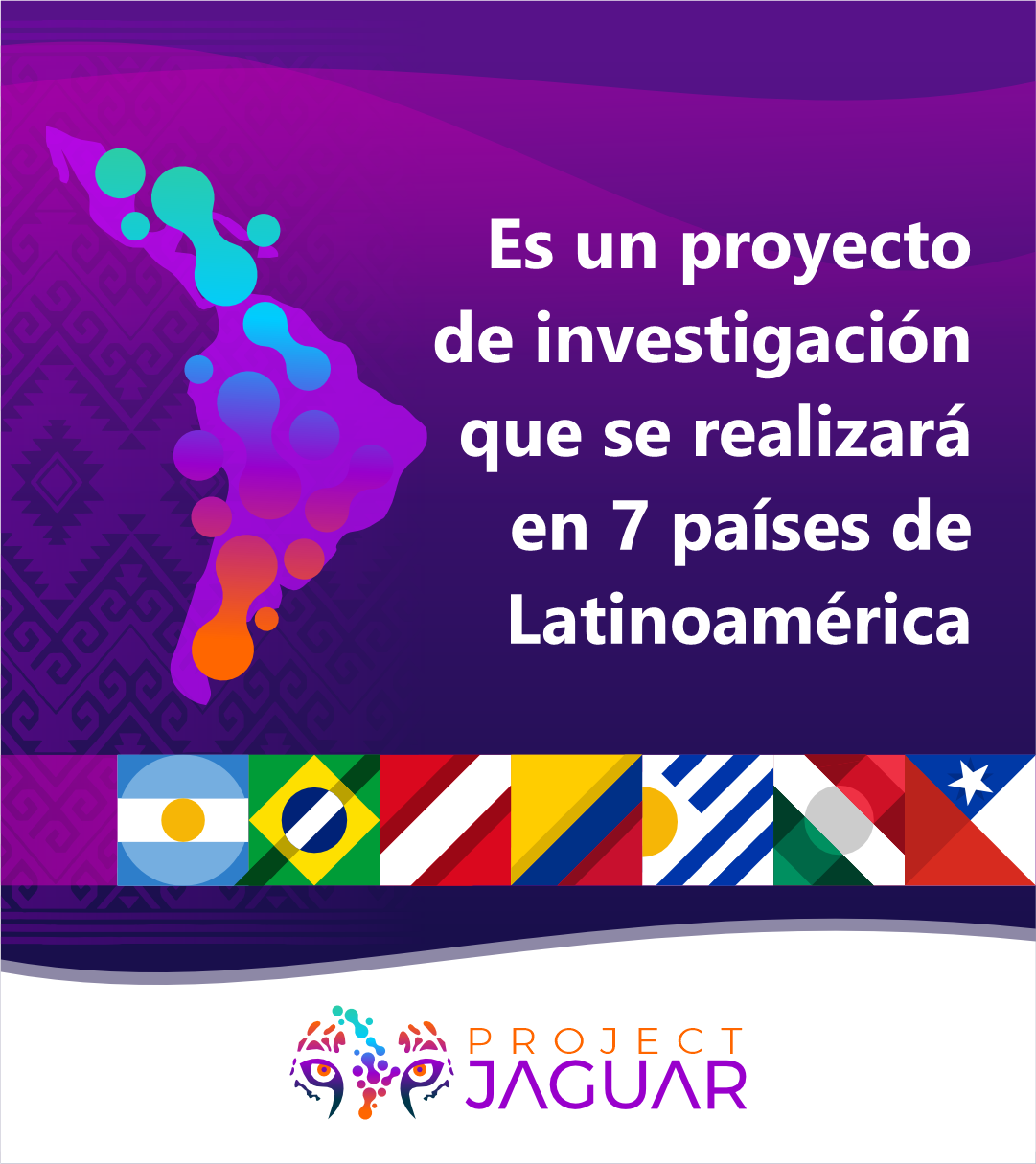
Gosia notes that for members of Project JAGUAR “equity isn’t a slogan”. Latin American scientists co-designed the project with collaboration at its core, driving recruitment in their regions, study design, and analyses. The academic leads are spread across seven Latin American countries, including Mexico, Colombia, Brazil, Peru, Chile, Argentina, and Uruguay, with the Sanger Institute acting as the hub for sample processing, generating the sequencing data and providing centralised computing infrastructure to ease data sharing, coordination, and access. Researchers in each country lead specific genomics projects based on their expertise. For example, Mexican scientists are investigating regulatory regions of the genome that inform how genes are switched on or off, teams from Chile and Argentina are analysing proteins, Colombian researchers are studying gene expression, while scientists in Brazil are analysing genotypes and deciphering ancestry information.

Project Jaguar's participating countries across Latin America and their Principal Investigators
From the outset, all seven partners set up the practical governance of the project. Through joint workshops and meetings, they co-developed protocols, shared authorship policies, and contributed to decisions. The research sites track everything transparently in Benchling,¹³ a cloud-based software platform for researchers that supports data storage, sample tracking, collaboration and analytics. All Project JAGUAR researchers access the Sanger Institute’s compute infrastructure remotely, so they are fully involved in data analysis and not just sample collection.
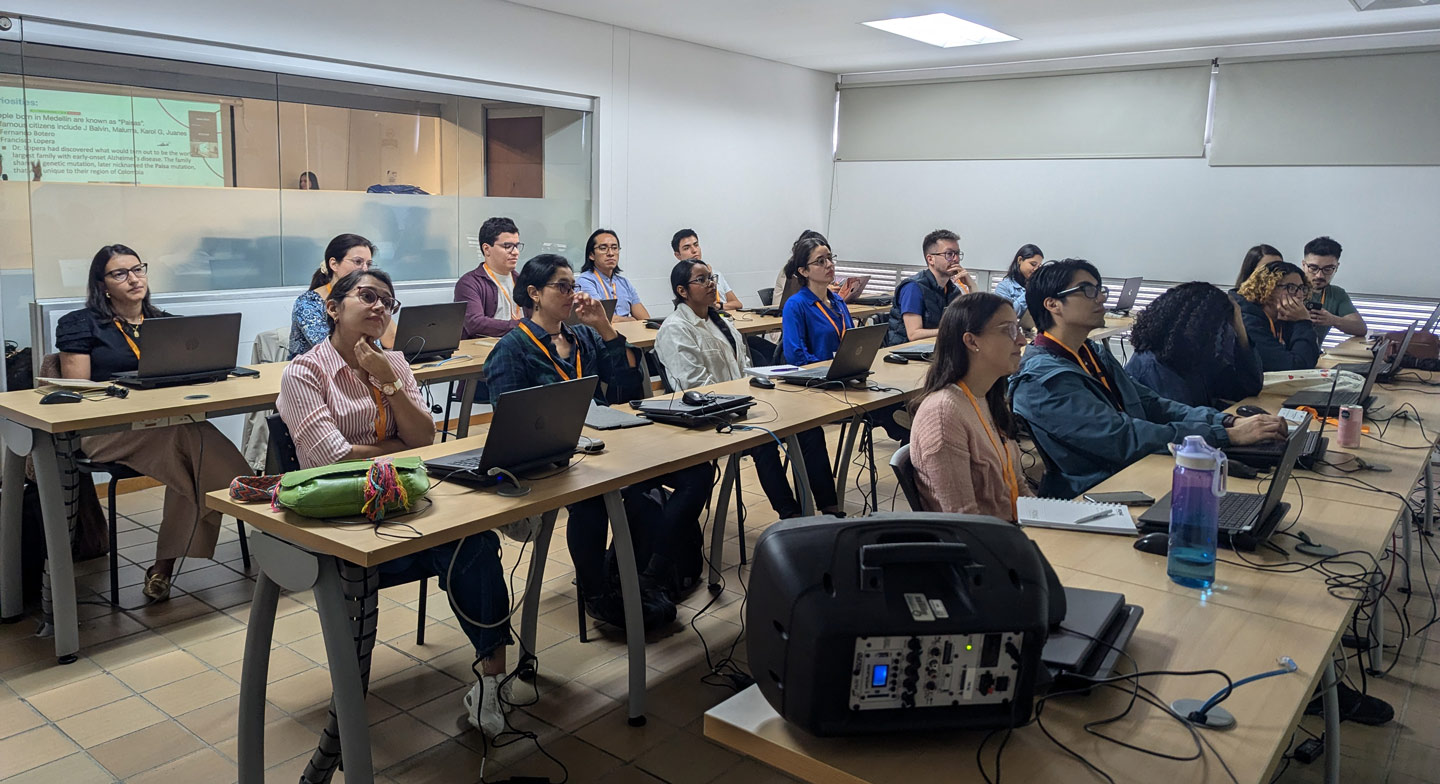
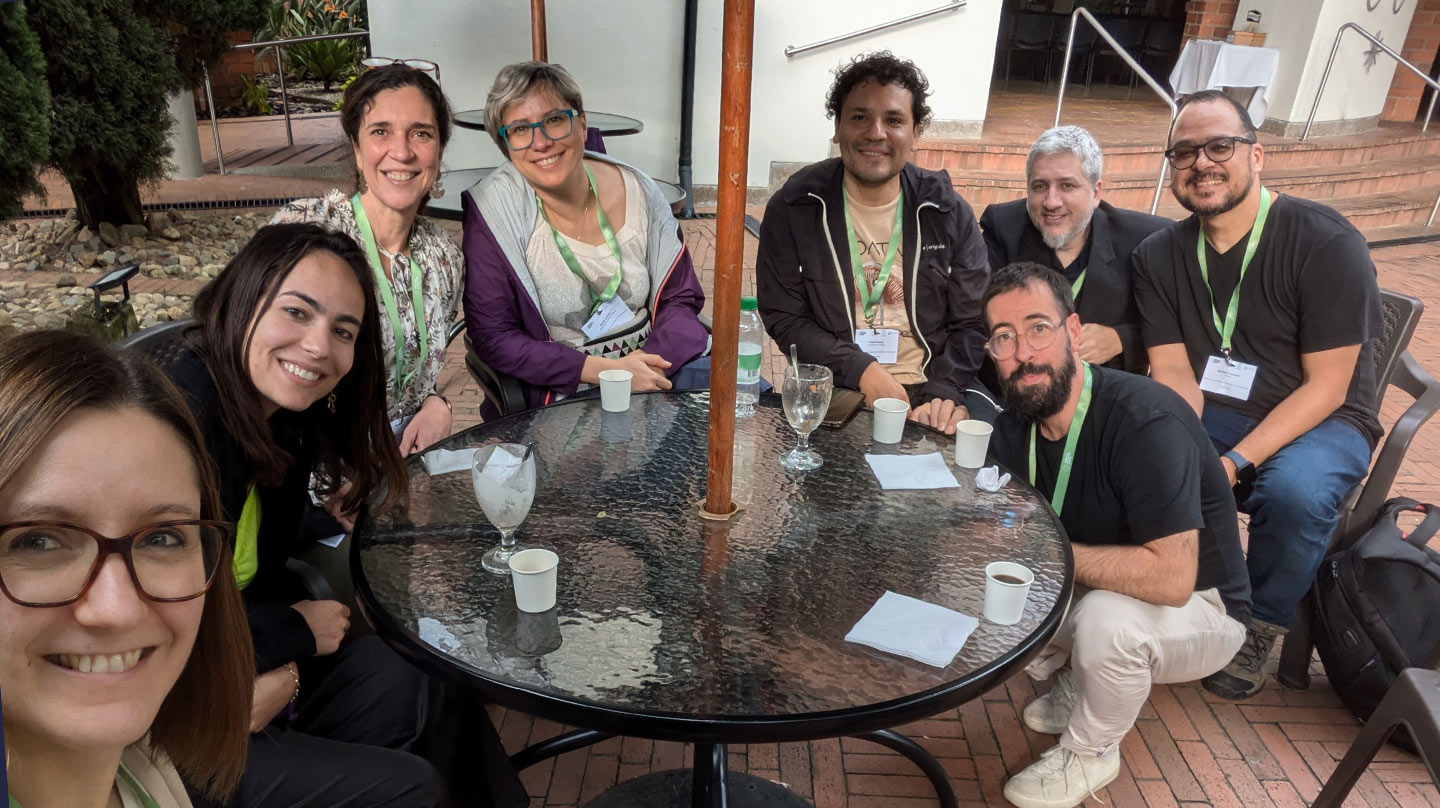
Maintaining these close connections across different time zones and cultural contexts takes sustained effort. Weekly calls and messages aid continuous discussion, problem-solving, and knowledge exchange. In-person workshops, such as their 2024 meeting in Colombia, have also strengthened partnerships.

Project JAGUAR has led to many new connections beyond the project itself, including a student, Alejandra Schäfer, from one of the partner institutions – International Laboratory for Human Genome Research, Mexico – joining the Sanger Institute in April 2025 for part of her PhD.
“I have been part of the sample recruitment team in Mexico. Now we have collected all the samples and everything is running smoothly, I’m at the Sanger Institute for four months to focus on the data analysis. I am excited about the project because it gives us the chance to understand our population’s immune system from scratch. That is essential if we want effective medicine that actually works for us."
Alejandra Schäfer,
PhD student, currently visiting the Sanger Institute,
International Laboratory for Human Genome Research, Mexico
Along the way, the project has faced numerous challenges. For example, Gosia reminds us “It is not just one region – each country in Latin America has different laws, languages and ethical frameworks. Co-ordinating a seven-country study means translating agreements to Spanish and Portuguese, navigating customs, and building trust from scratch.” She explains that the project has a research collaboration agreement, which is a legal framework ensuring equitable scientific collaboration through fairness in data ownership and credit attribution.
By working collaboratively on common logistical and cultural challenges across Latin America, the leaders of Project JAGUAR can benefit from locally led genomics projects and share their experience.
Overcoming barriers to inclusive genomics research
Project JAGUAR also faces non-scientific barriers. The team had to build trust, respect local laws and customs, and adapt their research methods. A 2024 Wellcome report on genomic data diversity¹⁴ listed the main challenges in Latin America: reluctance to share genetic data, a legacy of colonialism; limited local infrastructure, expertise and training; analytical and logistical hurdles; data privacy and storage concerns; and low political priority. Gosia and her collaborators shared how they experienced many of these same challenges and how they overcame them.
 Ethics of sharing genetic data
Securing ethical approvals proved especially complex. Each country has different regulations, and while some countries obtained clearance within months, others took longer, and one country is still waiting, citing fears over past exploitation from other researchers. Gosia acknowledges the impact of this sad legacy and says it is something the partners will continue to work through. In Peru, the team needed ministry-level sign-off before collecting samples. Working with experts in Mexico and Chile, the team secured clearance and produced a shared ethics dossier to assist future studies.
Recruitment strategies had to be culturally specific. For example, Alejandra Schäfer explains: “Healthy people would often ask, ‘Why should I take part if I don’t have a disease?’” Blood bank volunteers proved more receptive, although female donors face extra restrictions in Mexico. The team addressed these concerns by spending time with participants and assisting them with completing questionnaires. Additionally, even within Spanish-speaking countries, researchers must carefully tailor their recruitment materials for variations in language and terminology.



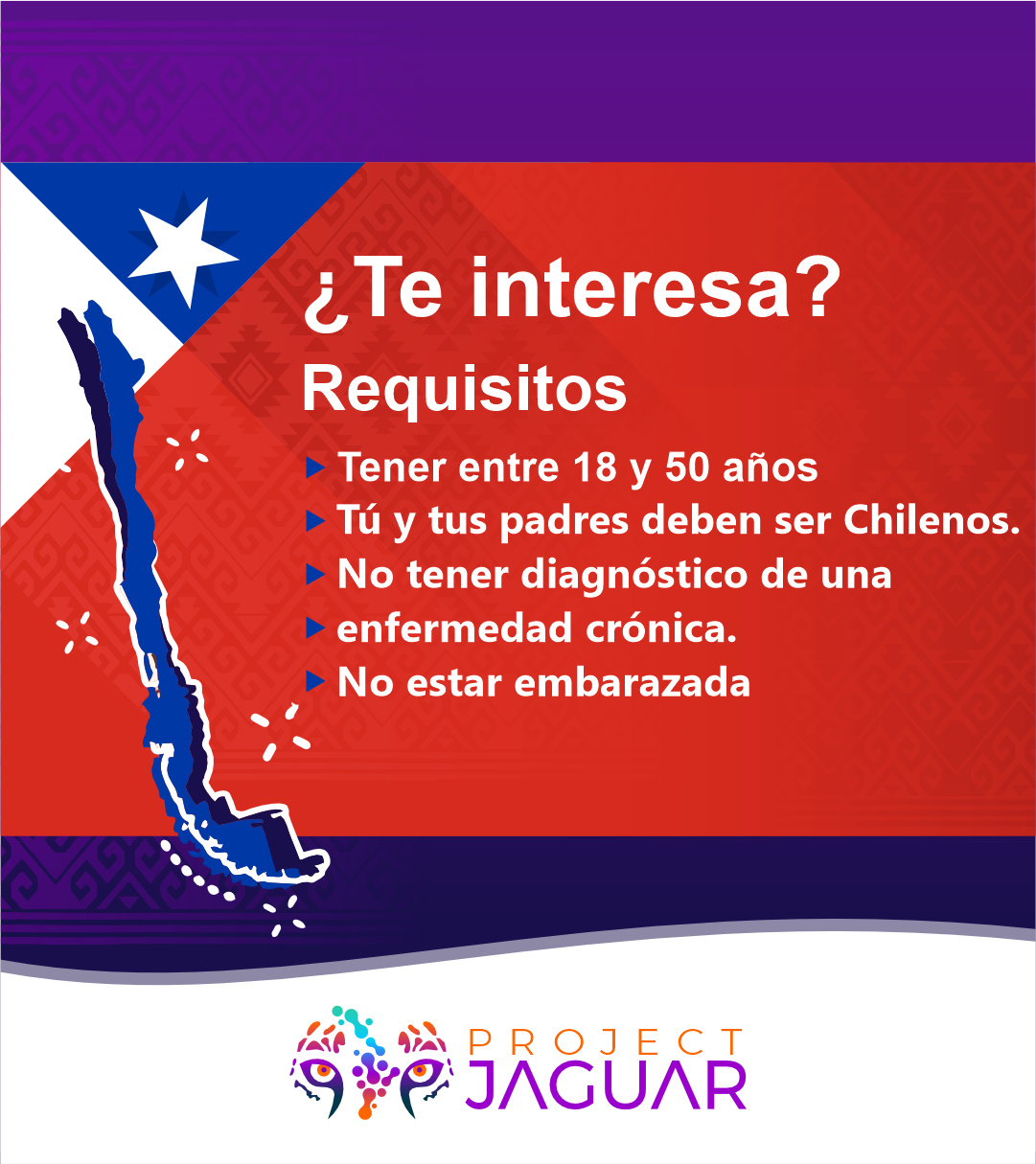
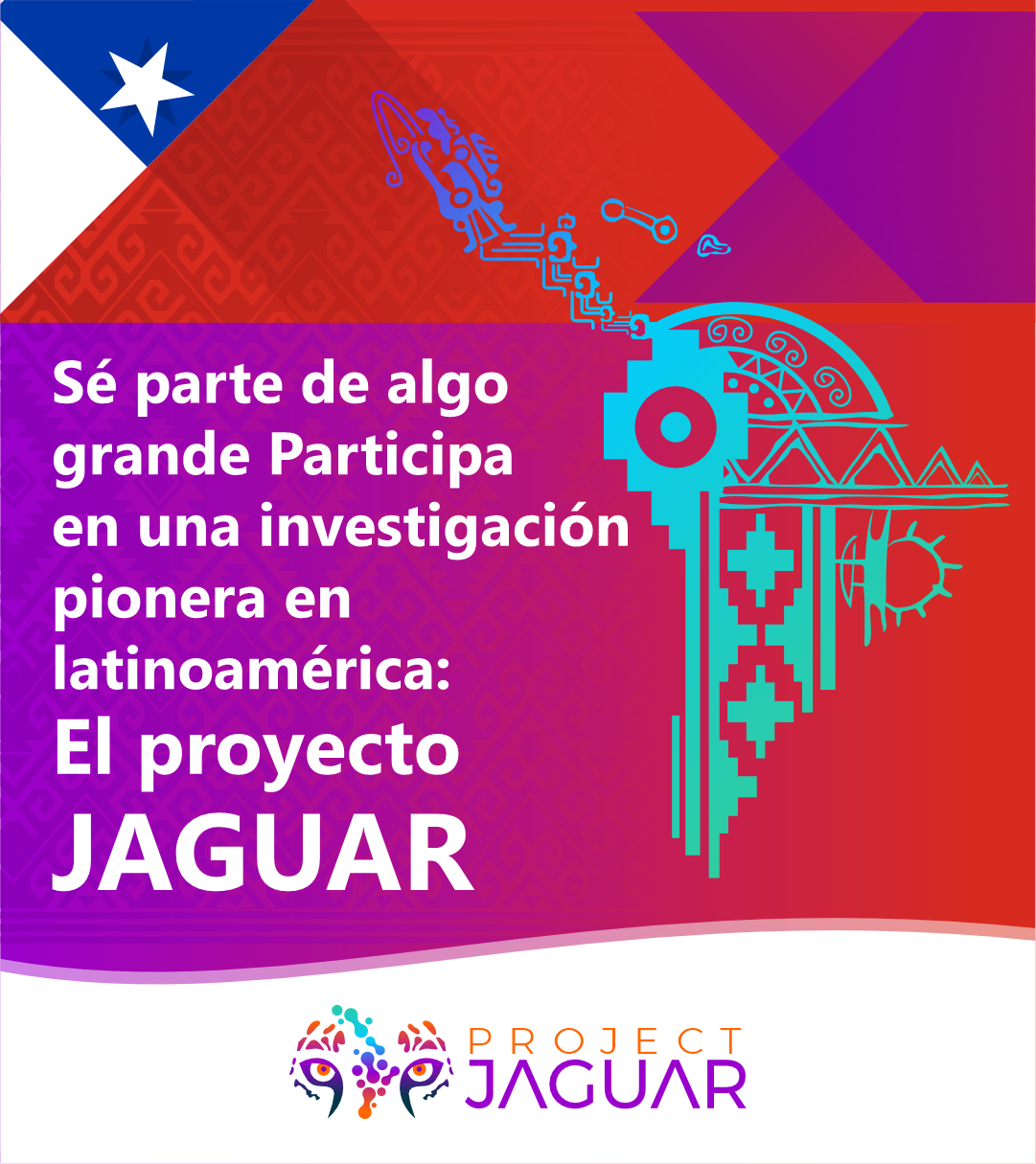

A range of the recruitment and engagement literature made by the Project JAGUAR team to attract people to the study. To help connect the work of Project JAGUAR with day-to-day life in the participating countries, some of the materials promote facts about latin America. For example, during the Olympics, some posters celebrated the disciplines in which Columbia has the highest number of medals. Image credits: Project Jaguar
 Issues with local infrastructure and logistics
Basic laboratory equipment, such as sample tubes, which are delivered within days in the UK, took up to five months in some parts of Latin America. However, the researchers found creative joint solutions such as strategically timing orders, planning recruitment campaigns efficiently and sharing shipments. High costs were another barrier, even for common reagents. Danilo Guillermo Ceschin, from Córdoba University Institute of Biomedical Sciences, explains, “An antibody that costs $200 to $300 in Europe might be up to $1000 in Argentina.” Project funds bridged that gap.
Navigating customs procedures sometimes led to delays. Some researchers faced destroyed biological samples due to ineffective temperature control in transit. To address this, the researchers switched to specialised shipping containers, split sample shipments and tracked sample quality in real-time using Benchling.
 Analytical challenges
For some partners, a lack of internet bandwidth or hardware proved challenging. As a result, the team developed offline-compatible analysis pipelines and provided remote access to the Sanger Institute’s computing power.
Gosia says, “We rarely see projects of this scale in Latin America. It is not through lack of effort, but because the system is stacked against them.” Access to research infrastructure across Latin America requires systemic changes, but a distributed model of research is proving helpful in the interim.
These barriers make it harder for scientists in Latin America to carry out large-scale research, with lengthy ethics approvals, expensive reagents and compute costs, and under-funded infrastructure.

Growing lasting genomics research capacity in Latin America
Project JAGUAR also supports building long-term skills, infrastructure, and research collaborations across Latin American genomics. Gosia and her collaborators shared their plans for ensuring the long-term impact of the project.
 Training the next generation of genomics researchers
The Sanger Institute provides ongoing remote mentoring and training to support lasting expertise. In collaboration with Wellcome Connecting Science, the Institute has flown scientists across countries for hands-on workshops, such as the 2024 course in Medellín, Colombia, on single-cell sequencing data analysis. Researchers across other sites also invest in training. For example, Danilo’s team is training other scientists in Argentina on techniques like sample preparation. Danilo’s team is also building local capacity, providing nitrogen tanks to collaborating sites in Argentina that did not already have them to expand sample collection across the country.
“What makes Project JAGUAR special is the continuous learning exchange between researchers at all levels, from principal investigators to PhD students. We’re not just sharing scientific techniques, but we are also building relationships that span countries and cultures."
Danilo Guillermo Ceschin,
Associate Researcher, The Dr. Severo R. Amuchástegui Translational Medicine Research Center.
Córdoba University Institute of Biomedical Sciencesco
 Creating lasting knowledge networks
The project also has many informal knowledge-sharing networks. For example, Danilo shares that the Jaguar community is growing: “One of my students went to Colombia, and a Colombian student came here. We have even published a paper from one of these exchanges. Last year, all the principal investigators and students met in Colombia, and now we are starting a side project with Peru.”
They are also using real-time messaging channels for problem-solving across borders, weekly analyst calls and sharing data analytics over the cloud. Alejandra Schäfer says, “We students have a great community where we ask questions and troubleshoot problems. It is especially important for countries where there’s only one student on the team.”
 Expanding research into new regions
The project also plans to expand into new research sites to provide more extensive population representation. For example, they are setting up research sites in more diverse regions across Argentina, such as Posadas, Salta, and Neuquén, which will also include more people from rural and indigenous backgrounds. They will also expand into new research sites in southern Mexico, near the border with Guatemala, which have been historically excluded from genomic research.
Gosia explains that all this investment in ongoing capacity-building slows the pace of the genomics research, but is an essential trade-off for genuine collaboration. She adds that if we want this to be sustainable, our partners must be the ones driving the science.
Why Project JAGUAR is a model for global scientific equity
In less than a year, the researchers have gathered over 500 donor samples from six Latin American countries, demonstrating that large genomics projects can thrive in the region. Over three years, the consortium has established the first equitable, coordinated genomics study across seven nations. As Gosia says, “We are laying the foundations for long-term change – in both data and how science is done.”
Project JAGUAR is a testing ground for achieving greater representation in genomics research data. The project aims to create a sustainable model for large-scale genomics research by rejecting ‘helicopter’ science and prioritising equity, inclusion, and capacity building. Later this year, recruitment finishes, followed by the publication of the consortium’s guidelines on equitable genomics. A draft of the first ancestry-aware immune cell atlas is due in 2026. The research will uncover differences in immunity across populations and ancestries and improve scientific understanding of disease, prevention and treatment.
By empowering local experts and supporting equitable collaboration, Project JAGUAR shows how global genomics research can become more inclusive, effective, and relevant for everyone.
Footnote:
The project is funded by: Chan Zuckerberg Initiative, The Wellcome Sanger Institute, Open Targets and PacBio.
Find out more
Related links
References
-
- WHO. WHO releases new principles for ethical human genomic data collection and sharing. 2024. [Last accessed: May 2025].
- Worldometer. Latin America and the Caribbean Population (2025). 2025. [Last accessed: May 2025].
- Worldometer. Europe Population (2025). 2025. [Last accessed: May 2025].
- Norris ET, et al. Genetic ancestry, admixture and health determinants in Latin America. BMC Genomics. 2018; 19: 861.
- Schwartz AL, et al. Why Diverse Clinical Trial Participation Matters. N. Engl. J. Med. 2023; 388: 1252–1254.
- Alvim I, et al. The need to diversify genomic studies: Insights from Andean highlanders and Amazonians. Cell. 2024; 187: 4819–4823.
- NHS. Lupus. 2017. [Last accessed: May 2025].
- Ugarte-Gil MF and Alarcón GS. Systemic lupus erythematosus in Latin America: Outcomes and therapeutic challenges. Clin. Immunol. Commun. 2023; 4: 60–64.
- Ugarte-Gil MF, et al. Global excellence in rheumatology in Latin America: The case of systemic lupus erythematosus. Front. Med. 2023; 9: 988191.
- Saha S, et al. Overcoming colonialism in pathogen genomics. Lancet Digit. Health. 2024; 6: e520–e525.
- Haelewaters D, Hofmann TA and Romero-Olivares AL. Ten simple rules for Global North researchers to stop perpetuating helicopter research in the Global South. PLoS Comput. Biol. 2021; 17: e1009277.
- Nat. Geosci. Tackling helicopter research. 2022; 15: 597.
- Benchling. Benchling. [Last accessed: May 2025].
- Wellcome. Data and diversity in genomics | Reports. 2024. [Last accessed: May 2025].


