


Image credit: Wellcome Connecting Science
Global science challenges demand global solutions. Genomic data diversity and international collaboration are critical to this. Dr Alice Matimba leads a team at the Wellcome Sanger Institute that empowers scientists worldwide to transform genomics through training and community networks.
Listen to this blog story:
Listen to "Empowering scientists to unite across borders" on Spreaker.
Why we need global collaboration in genomics
The most pressing scientific and health challenges are global, yet many remain unsolved. From the growing threat of infectious diseases like bird flu and Mpox to antibiotic-resistant superbugs such as MRSA, the stakes are high. Genomics plays a vital role in tracking infectious diseases and developing treatments. Genomic diversity is crucial for these discoveries, understanding disease biology and addressing population-specific needs. But there is a catch: most of the genomic data available comes from people of European ancestry creating a bias that limits the global application of these insights.1
This exacerbates health inequalities and can undermine health policies and clinical practice. In October 2024, Wellcome, a major funder of the Sanger Institute and global health research, published a report highlighting the ways to improve data diversity through better data sharing and international collaboration.2 The following month, the World Health Organization (WHO) issued a set of principles for the ethical collection, access, use and sharing of human genomic data,3 emphasising global equity and strengthening capacity in genomic research.
Recently, we spoke with Dr Alice Matimba about her work as Head of Training and Global Capacity for Wellcome Connecting Science at the Sanger Institute. Alice has first-hand experience facilitating local and international collaboration, promoting diversity in research data and advancing global equity in scientific discovery. Here, we explore key insights into her team’s success, including local empowerment of scientists and strengthening their capacity for genomic innovation.

Blueprint for genomics without borders
One of the top global health threats is antimicrobial resistance (AMR), which occurs when microscopic organisms such as bacteria or viruses become resistant to treatment.4 According to the WHO, in 2019 AMR directly caused an estimated 1.27 million deaths and contributed to a further 4.95 million deaths worldwide. Tackling this global problem requires diverse approaches from different geographical areas.
Genomics without borders involves breaking down geographical, linguistic, resource-based, or systemic barriers that obstruct equitable access to genomic knowledge and tools. This concept promotes collaboration across regions and advances global connections.
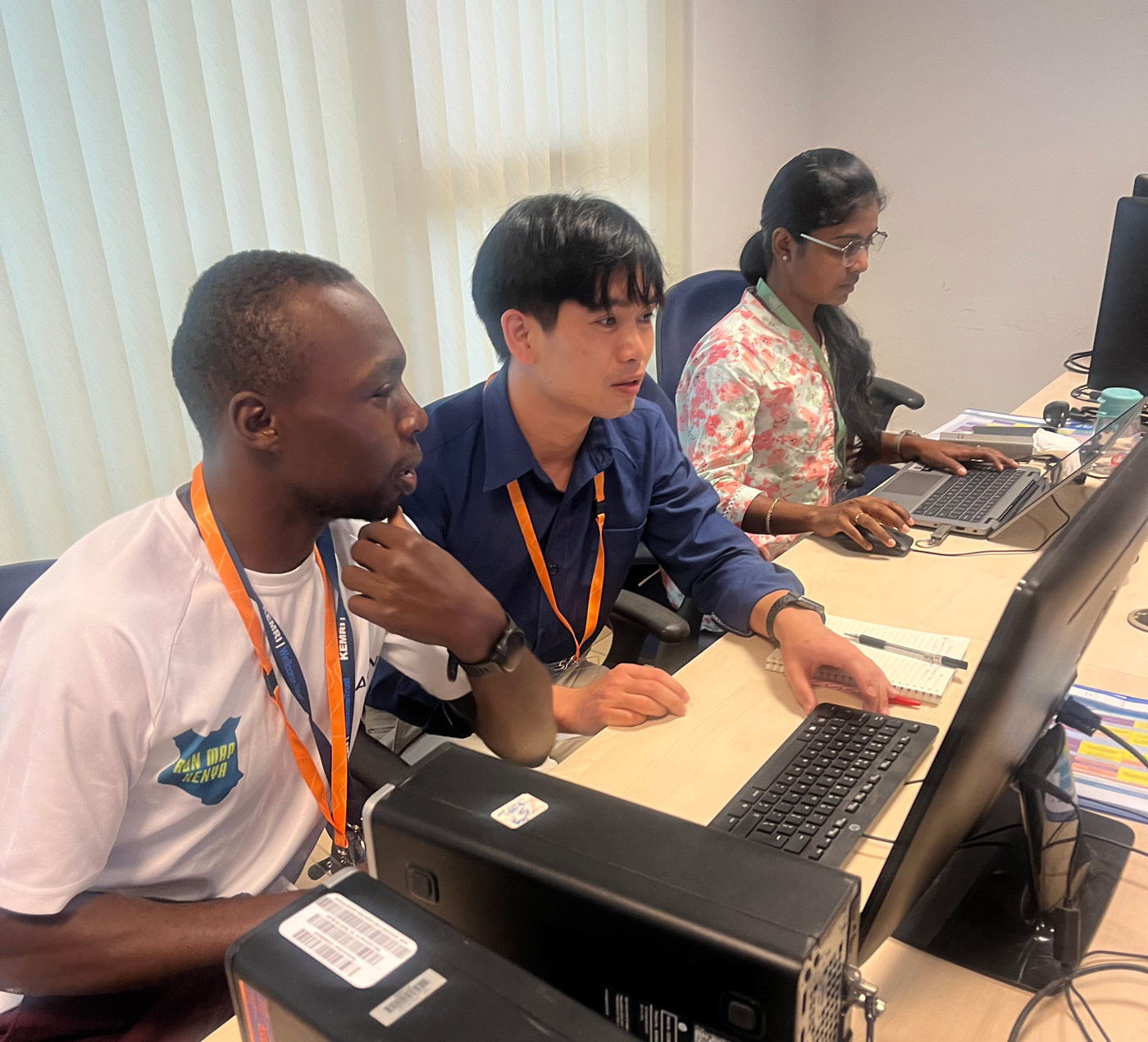
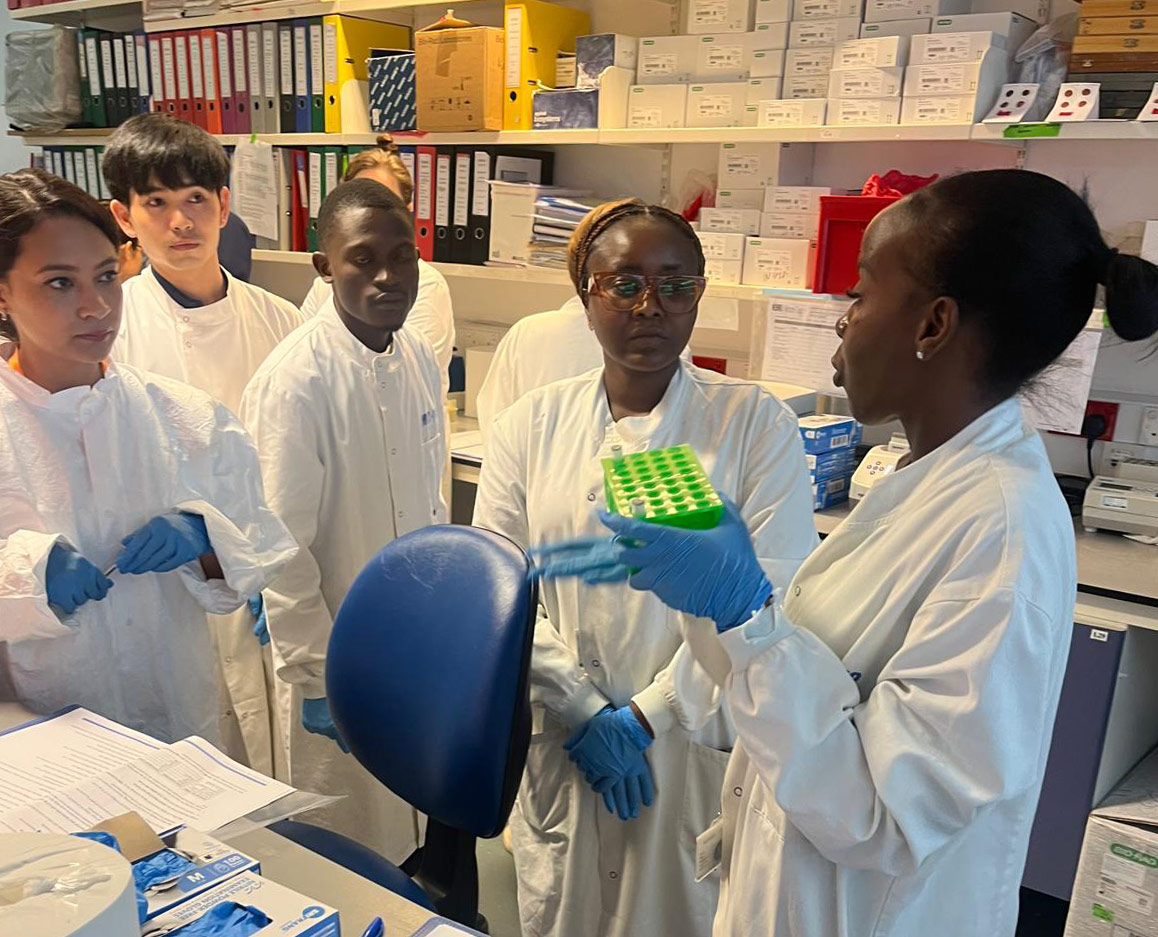
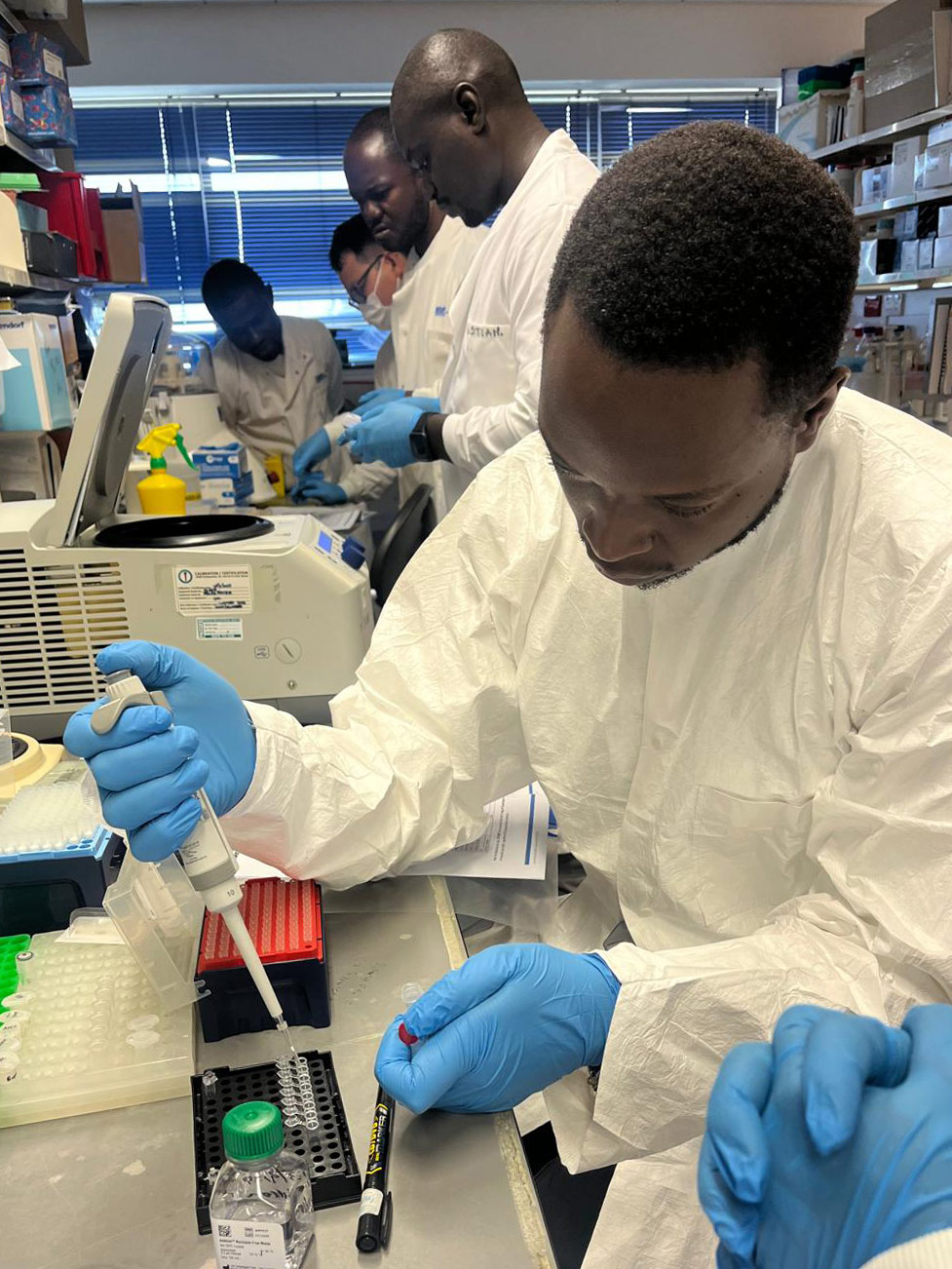
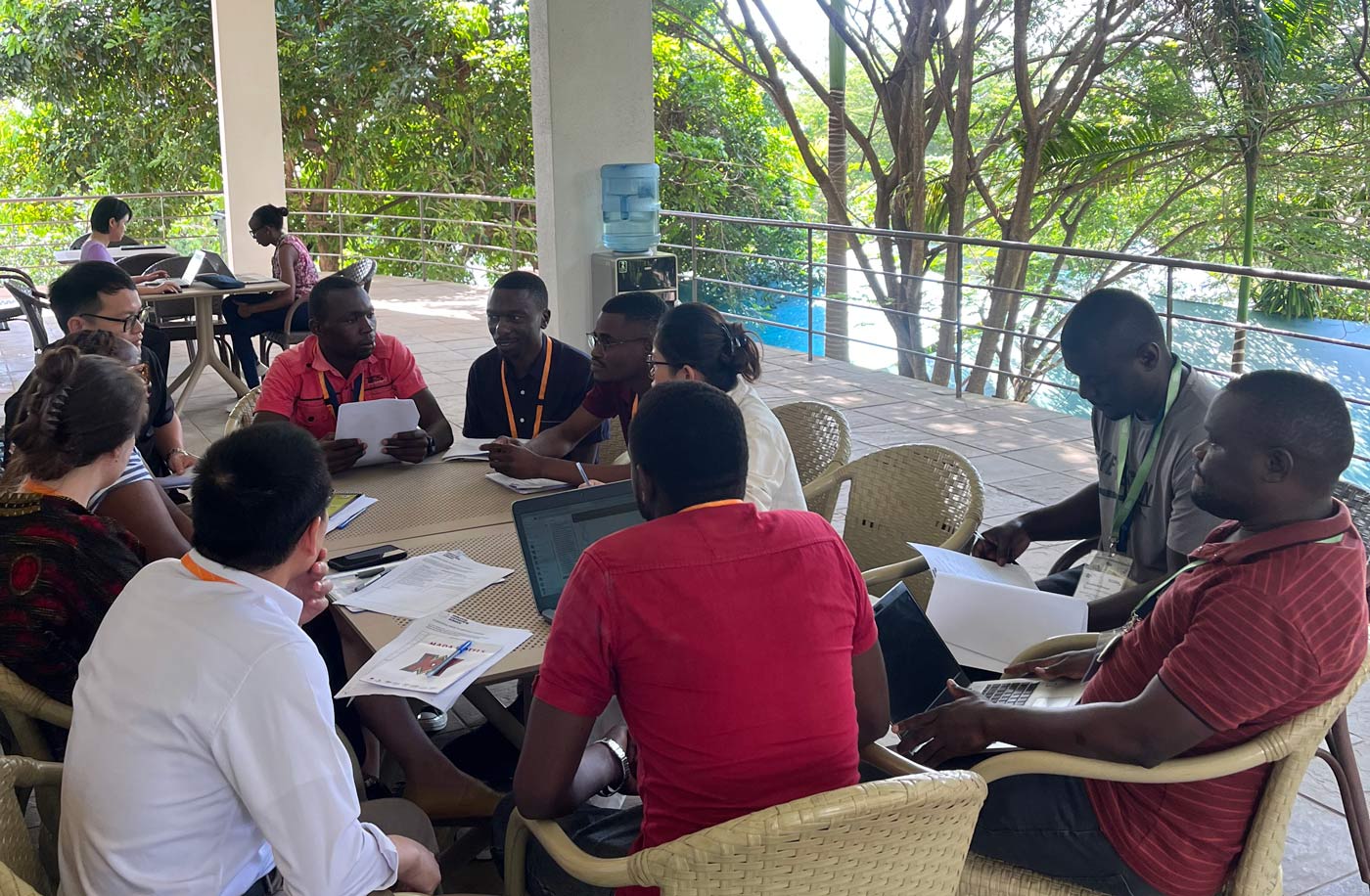
Addressing this need, Alice’s team has trained scientists in lab techniques to improve their AMR surveillance, with events held across African and Asian countries since 2018. Early in the process, Alice realised that scientists needed more than just training and funding – they needed to connect through a community. This was especially clear during the COVID-19 pandemic when their training courses were moved online, prompting them to create a network for AMR genomics in Africa.
“We wanted to create a virtual platform that enables continued peer interaction and networking after the training course finished. Our initial plan was to focus on countries in southern Africa, but we received interest from scientists from as far away as Pakistan, Bangladesh, and Canada. I’m really proud that we set up and continue to support this community, which is now largely run by the participants.”
Alice Matimba,
Head of Training and Global Capacity, Wellcome Connecting Science, Wellcome Sanger Institute
Given that the trainees originally felt isolated, after Alice’s team set up this network they immediately benefitted from connections with other scientists across different countries. Building on the successful AMR training programme, the team recently ran a course on AMR surveillance tailored to clinical settings in Africa and Asia as part of the ACORN (A Clinically Oriented antimicrobial Resistance Network) project. The course was co-developed with regional partners to support local scientific talent, address knowledge gaps they identified and assist them in tackling existing limitations around workforce capacity. After, the trainees felt more confident using the latest bioinformatics tools and started sharing these skills with others at their institutes. The course also provided the trainers with useful information about the learning needs, which will feed back into future course development.
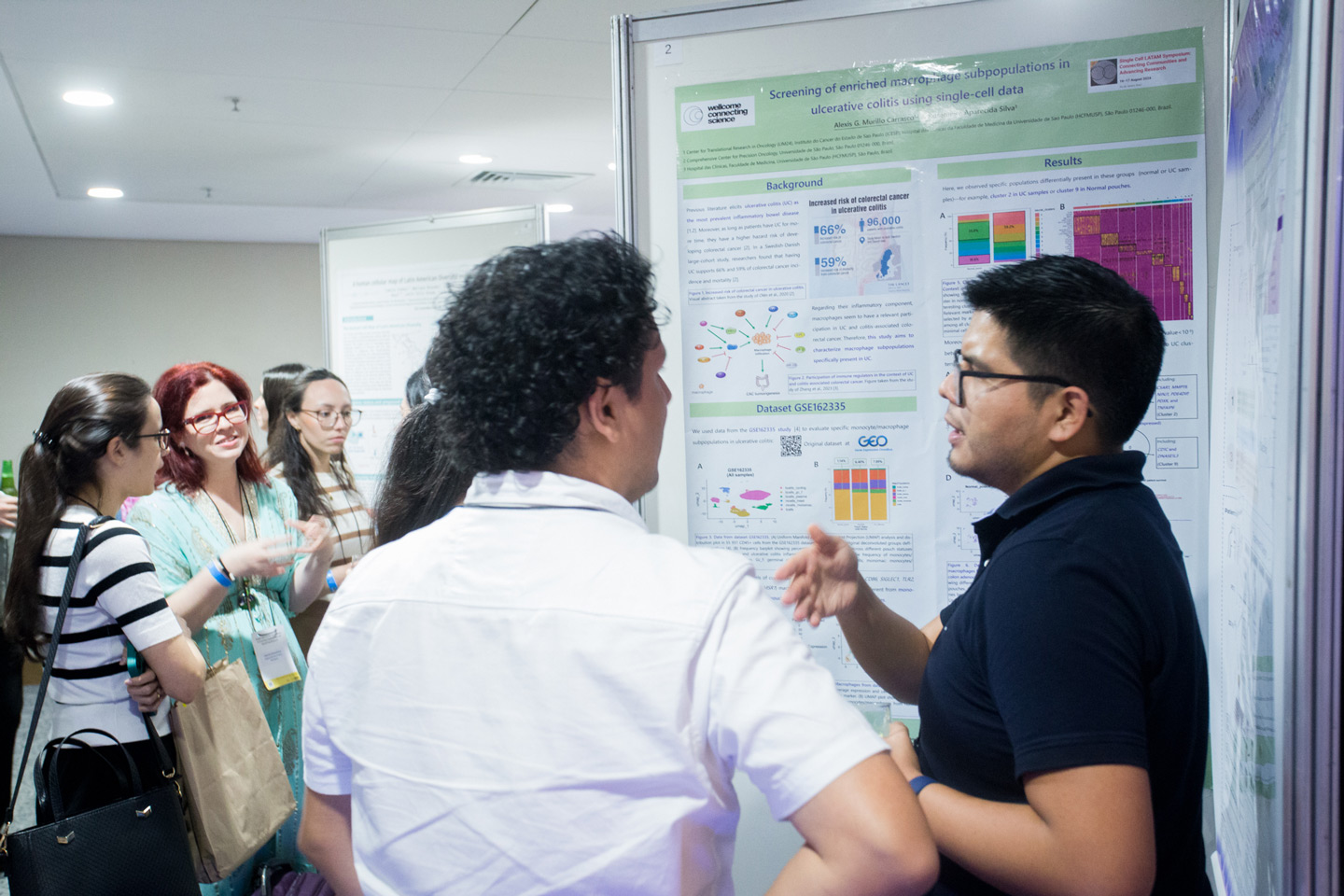
Following the success of the AMR genomics network in Africa, Alice’s team is launching other communities. Isabela Malta, Assistant Overseas Courses Manager, led the initiative which established the Single Cell Genomics Community for Latin America, alongside Sanger Institute scientists David Adams and Gosia Trynka. Complemented by hands-on genomics and bioinformatics courses, monthly webinars, and an annual symposium, this initiative has cultivated a robust community of scientists, enhancing research capacity, fostering peer networking and collaboration, and building a strong foundation for sustainable research practices in the region.
Latin American populations have expansive and diverse ancestry from Indigenous, European, African and Asian heritage. Empowering these scientists to lead their local research while fostering global collaboration will enhance genomic data diversity. The team aims to create more global communities of practice in geographical areas and scientific fields in need.


From trainees to trailblazers
Empowerment is key to ensuring scientists maximise the benefits of scientific training. Talented scientists can be found anywhere, but what is needed is a way to exchange ideas, knowledge and experience to benefit each other. Democratising genomics will be central to this, so everyone who wants to can access it.
Setting up the genomic networks has already led to tangible outcomes. Several members have shared their work through webinars and conference sessions at the Wellcome Genome Campus, whilst others have launched research projects. For example, Alice’s team worked with Professor Nick Thomson’s team on a genomic epidemiology course in Latin America in 2017 that encouraged participants to pitch genomic surveillance research projects they could work on collaboratively. Latin American countries at the time had limited access to genomic technologies, so the scientists were mentored by training teams to develop their projects.
Alice explained that whilst the investment was minimal, covering the transportation and sequencing costs, the benefits of these regional research collaborations were transformative in enabling the scientists to explore new research questions with their peers in different countries. For example, one team developed a new platform for antimicrobial resistance analysis.
Alice’s team is also building a global trainer community. They run ‘train-the-trainer courses’ and encourage newly skilled trainers to train scientists outside their country. This ensures the training remains sustainable through a larger pool of trainers, enabling science to benefit from cross-regional expertise. As Alice says: “This moves our impact towards not just equity, but empowerment that's truly global.”
Supporting scientists as leaders
Alice defines capacity development as providing the infrastructure, resources, people, skills and environment to advance science and public health. Her team aspires to integrate these aspects to help strengthen the field, people, institute or region.
Alice explains the importance of empowering communities to thrive independently. Trainees often identify challenges to collaboration, such as a lack of funding, skilled experts, infrastructure, processes and policies. Whilst some factors are beyond our control, Alice insists we can progress by identifying their needs in detail.
For example, researchers might be interested in genomics training, but sometimes more foundational approaches may be more appropriate and impactful. While genomics can provide added value, there must be a balance between democratising and making genomics accessible locally, priorities, and capacity. This ensures that genomics is integrated thoughtfully and effectively. Achieving this balance requires local ownership and leadership from the outset, ensuring equity in partnerships and aligning with regional priorities.
Moving towards borderless genomics
Alice’s team is also building a global trainer community. They run ‘train-the-trainer courses’ and encourage newly skilled trainers to train scientists outside their country. This ensures the training remains sustainable through a larger pool of trainers, enabling science to benefit from cross-regional expertise. As Alice says: “This moves our impact towards not just equity, but empowerment that's truly global.”
“My vision for the future of global genomics capacity focuses on establishing best practices. How do we become better at fostering truly inclusive, borderless collaboration across the scientific community – and how do we inspire others to do the same? We need to reach people who may be left behind due to barriers such as language, geography, resource limitations, or systemic inequities. The greatest impact comes from supporting local scientists to collaborate, share knowledge, and build networks that empower them to train and uplift their research communities.”
There are countless benefits to supporting cross-border collaboration to tackle global scientific challenges and health threats. Central to this work are empowering scientists and creating sustainable communities for ongoing success. These principles are crucial to advancing global equity in science, improving genomic data diversity and accelerating global scientific problem-solving.


Find out more
- Wellcome Connecting Science – Global Training
- Alice Matimba’s profile page
- ACORN (A Clinically Oriented antimicrobial Resistance Network) Project
- Strengthening AMR data and diagnostics in clinical settings in Africa and Asia
- Project Jaguar
- Fostering scientific communities in Latin America to strengthen single cell genomics practice
References
- Sirugo G, Williams SM, Tishkoff SA. The missing diversity in human genetic studies. Cell. 2019; 177: 26–31.
- World Health Organization. November 2024. WHO releases new principles for ethical human genomic data collection and sharing [Last accessed: January 2025].
- World Health Organization. Factsheets – Antimicrobial Resistance. [Last accessed January 2025].


