


Image credit: Benjamin Mueller
Enter the absorbing world of sponges, the intricate animals that have evolved to inhabit all corners of our Earth’s waterways and oceans. Thanks to a worldwide collaboration of sponge scientists through the Aquatic Symbiosis Genomics project, which is led by the Wellcome Sanger Institute, more than 50 published high-quality sponge genomes and counting are now freely accessible to the research community.
Listen to this blog story:
Listen to "Enter the absorbing world of sponges" on Spreaker.
Squeeze into the world of sponge genomics
Imagine you are holding a sea sponge in your hand. At first glance, it appears to be nothing special, a simple lightweight, porous animal, mostly recognised as a household cleaning tool or something to use in the shower. Yet, hidden within the DNA of this humble organism is an evolutionary history that connects it directly to you.
Sponges are aquatic animals, not to be confused with the colourful polymer-based cleaning supplies stacked on our supermarket shelves. They mostly live in the ocean but can also be found in freshwater and estuaries – the places where sea and freshwater meet.
Today, scientists can study sponge genomes by sequencing every letter of their genetic code. This can reveal previously unknown evolutionary histories and help us better understand how sponges thrive thanks to symbiosis. Symbiosis is a broad term that applies to a mutually beneficial relationship between organisms in close association.
Researchers are studying sponge genomes and their symbionts in the Sanger Institute-led Aquatic Symbiosis Genomics (ASG) project. This project has thus far delivered over 50 sponge genomes in addition to genomic data on thousands of associated microbial symbionts with these numbers continuing to grow. In this blog, we will share researcher stories that might blow your expectations of what these ‘simple’ sponges can do, right out of the water.
Sponges: A brief history
Sponges and their symbionts are wonderfully diverse. Some sponges can make glass, some are farmed and used in the beauty industry, while others boast interesting microbial and chemical diversity. But you may be asking yourself, what exactly is a sponge?
Sponges are animals. We know that sponges are the oldest living Metazoans – complex animals – that diverged during the Precambrian era – the earliest part of Earth’s history – making them millions of years older than dinosaurs. This begs the question – are we all essentially sponges? In recent years, new sponge sequences have revealed our shared molecular heritage with some of Earth's earliest animals.

Sponges evolved in the Precambrian period, approximately 800 million years ago during Earth’s earliest history. Image credit: LadyofHats, Wikimedia Commons CC0 1.0 Universal Public Domain.
A lot has changed since then, with various species – including the aforementioned dinosaurs – having come and gone. So, how have these ancient creatures established themselves worldwide and survived so long? Well, sponges are survival experts, able to adapt to almost any environmental condition they find themselves in. It is these skills, along with some other surprising abilities, that have attracted the attention of scientists from all around the world to study the impressive, but often underestimated, sponge.
The ASG project was established 2019 to provide new tools and resources to enable the study of aquatic symbiosis. Sponges are lived in and on by symbionts, but the details of those relationships are poorly understood. Most symbionts cannot be grown in a lab and sponges are tricky to maintain in aquaria.
However, genome sequencing provides an alternate approach. Genomics can help researchers define the different sets of organisms involved in sponge-microbe symbiosis. It can also reveal how symbiotic relationships arose, how they are stably maintained and how they contribute to major biogeochemical cycles in the Earth’s oceans. An international team of researchers, including those at the Sanger Institute, have been working together through the ASG project to tackle the methodological challenges in sponge symbiosis research, and interpret the new glut of sponge and symbiont genome sequence data.

A variety of deep sea glass sponges. Image credit: Julian Gutt/Alfred Wegener Institute for Polar and Marine Research
Why are sponges important?
Through sponges, unique habitats are formed that provide shelter, breeding sites and unique chemical environments that allow life to flourish in often inhospitable locations. Sponges unequivocally play an important ecological role in nature. From the darkest of deep seas to the shallows of reefs and freshwater lakes, sponges act as ecological hotspots. And, unlike corals, you can find them thriving pretty much everywhere.
We know sponges are a rich source of natural products. Thousands of chemical compounds have been recovered from this animal phylum alone, making it the richest source of new potential pharmaceutical compounds in the world’s oceans and lakes. The compounds that sponges and their symbionts produce could serve as templates for future drug discovery. This untapped potential for discovery makes the availability of new sponge genomes even more exciting.
Sponges in the genomics era
There historically has been a dearth of genomic information for sponges. Then, 15 years ago, the first key piece of work to sequence sponge genomes was led by evolutionary biologists and Drs Sandie and Bernard Degnan at the University of Queensland, Australia. They sequenced the genome of Amphimedon queenslandica, a sponge native to the Great Barrier Reef. The Degnans were the first in their field to apply molecular techniques to study sponges and symbiosis, laying the foundations for sponge genomics.
“The first, and for a long time only, sponge genome was published 15 years ago. Our pioneering international effort was supported by the US Department of Energy’s Joint Genome and provided an exciting new perspective on the evolutionary origin of animal complexity”.
Sandie Degnan,
Professor, University of Queensland, Australia
“The recent completion of more than 50 sponge genomes and counting via the ASG project will significantly extend these original insights, revealing ancient principles underlying the genomic regulation of animal-microbe symbioses.”
Bernard Degnan,
Professor, University of Queensland, Australia
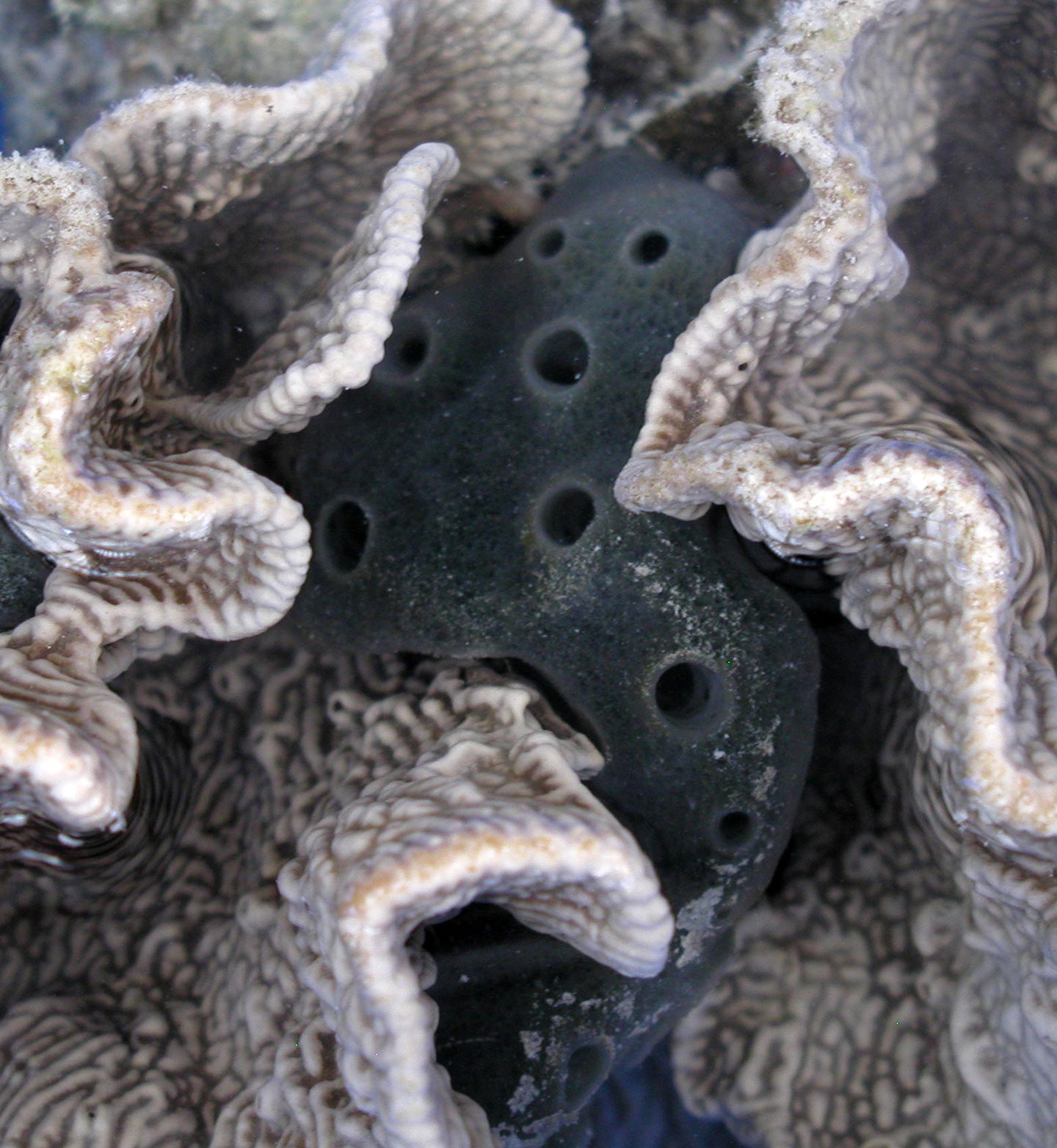
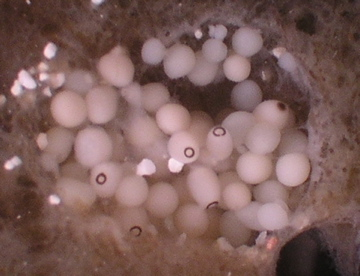
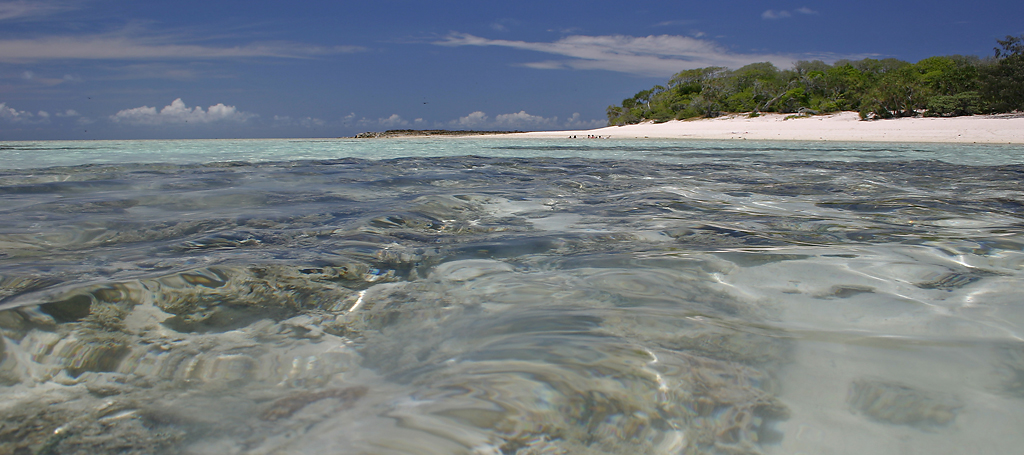
These images show: (top left) an adult Amphimedon queenslandica inside a coral. Image credit: Dr Marie-Emilie Gauthier; (top right) an internal brood chamber with various developmental stages visible. Image credit: Dr Gemma Richards; (bottom) the intertidal reef flat habitat of this species on Heron Reef, southern Great Barrier Reef (named Shark Bay). Image credit: Dr Marcin Adamski
A lot has changed since the first sponge genome, and the ASG sponge sequencing project has built upon the Degnans’ legacy. The new ASG sponge and symbiont genomes enable researchers to perform powerful comparative analyses, interrogating the content and organisation of the genomes with the sponges’ relationships, lifestyles and microbiome compositions.
Below, we provide several case studies where sponge genomes have been used by the ASG sponge community to more deeply understand symbioses.
The deep-sea is considered an inhospitable place; nutrient poor and pressurised – what could possibly live there? Thanks to deep-sea hydrothermal vents, deep sea coral and sponge mounds are able to live and thrive there.
While there have been decades of research into hydrothermal vents, sponge grounds have only recently moved into the foreground. ASG Sponges Hub lead Dr Ute Hentschel and her team from GEOMAR in Germany have participated in several ocean expeditions to locations as remote as the Gakkel Ridge in the Central Arctic to collect sponges from the deepest, darkest and coldest ecosystems on Earth. Ute, Professor at GEOMAR in Germany has spent the last four years coordinating the worldwide effort to contribute sponge samples to the ASG project genome production pipeline.
Among them are several keystone species found in the North Atlantic sponge grounds, genomes of the elusive glass sponges, and even species previously unknown to science. Ute predicts that this knowledge will guide future conservation efforts to protect and preserve these unique sponge ground ecosystems.
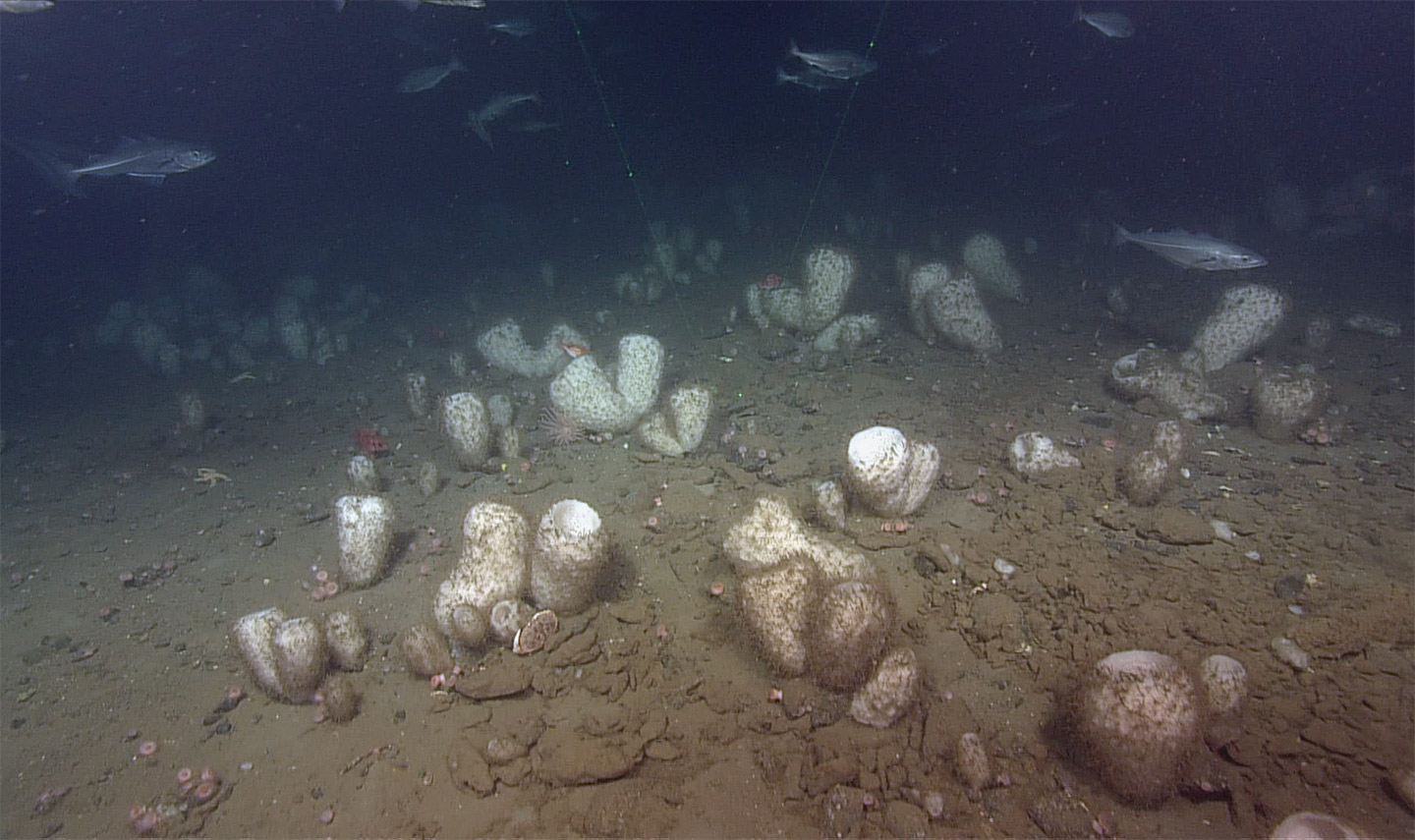
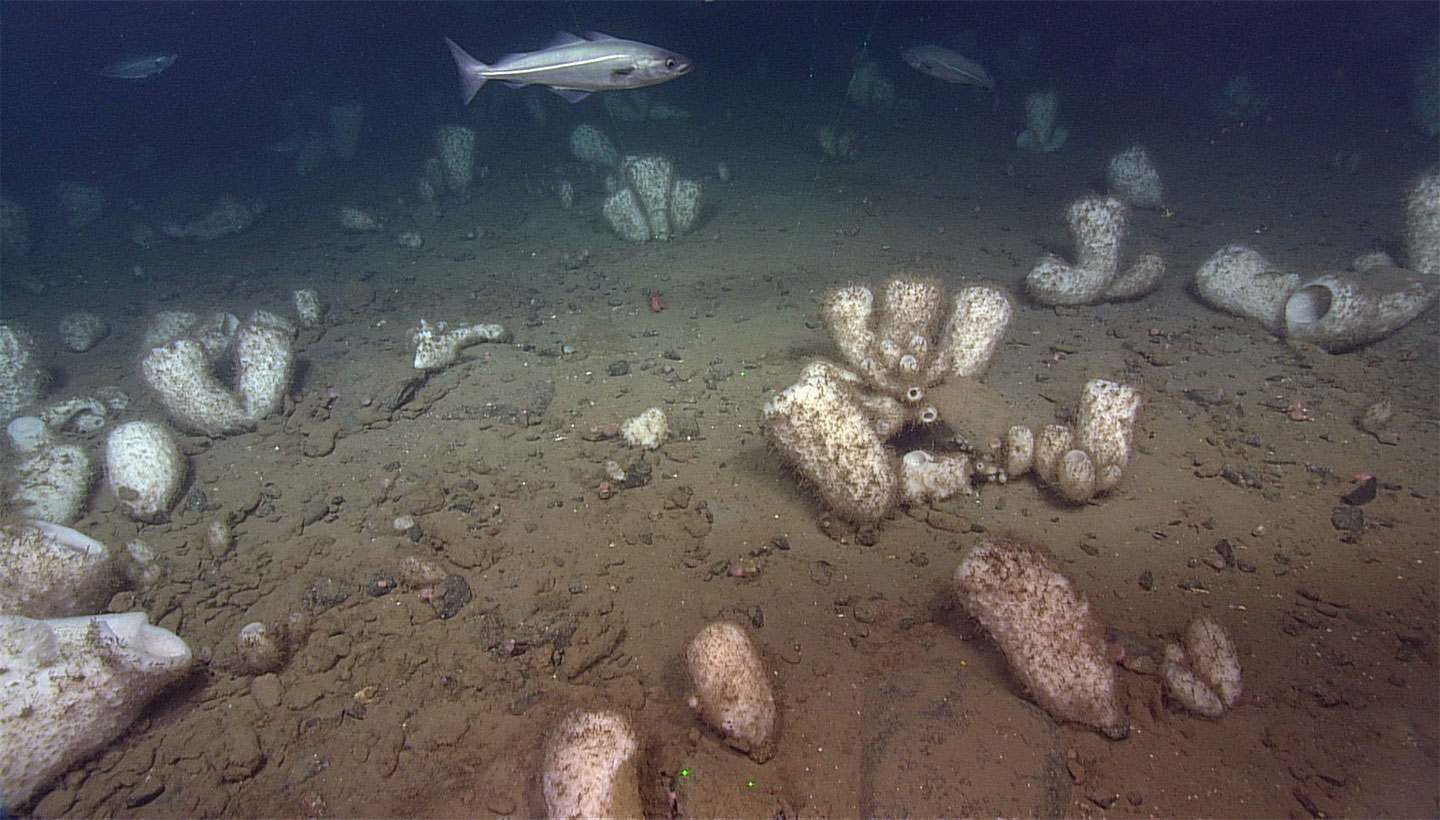
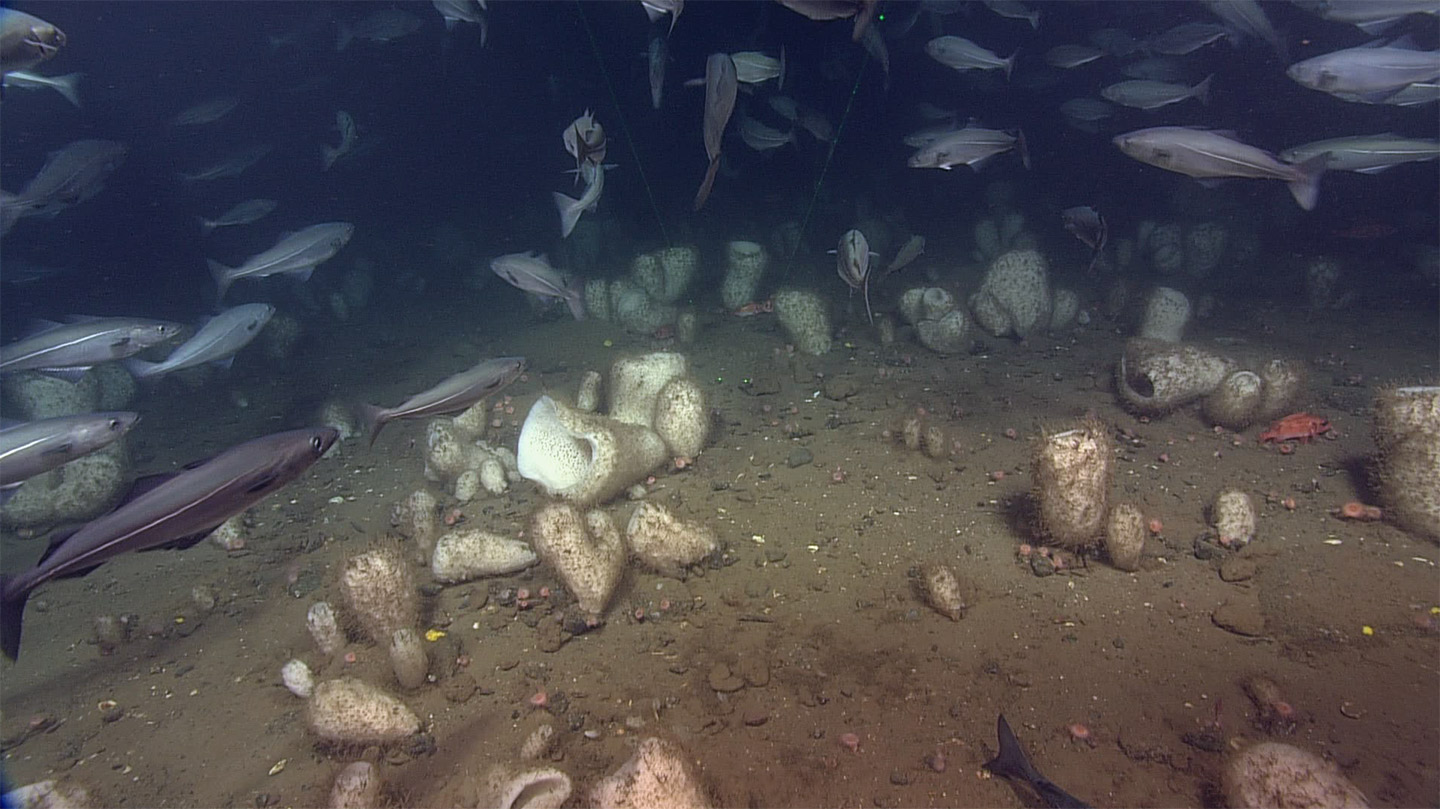
In a recent publication, researchers led by Dr Manuel Maldonado, Professor, Center for Advanced Studies of Blanes in Spain used genomes produced by the Sanger Institute to trace the evolutionary origin of sponge proteins that help make up their glass skeletons.

Vazella pourtalesi is a glass making sponge identified in the chilly Atlantic waters of New Foundland, Canada. Image credit: Ellen Kenchington
The process of making these glass skeletons is called ‘biosilification’. Another team provided additional information on this process by using the genomes produced by the Sanger Institute genomes to discover that the spongin protein is actually a type of mammalian collagen protein. This suggests that sponges build their skeleton structures with proteins similar to those in humans.
Sponge immune systems represent a fascinating evolutionary snapshot of immunity's ancient origins. They are among the oldest animals and over time, have formed one of the most diverse microbiomes. A microbiome, an organism’s entire community of living things like fungi, viruses and bacteria, requires a fine molecular lens to study.
Dr Lucía Pita Galán, postdoctoral researcher at the Instituto de Investigaciones Marinas in Spain and ASG project collaborator, makes use of advanced molecular tools to learn more about how the sponge immune system orchestrates the symbiosis of the entire animal and keeps it all in balance. A healthy sponge immune system maintains a healthy sponge microbiome, acting as a gatekeeper and enabling beneficial microbial partnerships that enhance survival, nutrient acquisition and environmental adaptability. Although sponges are considered simple animals, they harbor intricate innate immune systems comparable to vertebrates.

Dr Lucía Pita Galán taking sponge samples of the species, Ircinia oros in shallow Mediterranean waters at Costa Brava, Girona, Spain. She uses these samples for molecular work. Image credit: Susanna López-Legentile.
New sponge reference genomes coming out of the ASG project are increasing the sensitivity of Lucía’s analyses and enabling comparative approaches to elucidate evolutionary processes that shape animal immunity. Now, she and her colleagues have the tools to reveal conserved functions that constitute the fundamental principles of animal health and disease.

The microbiota, external stressors and internal signals modulate the different components of the complex sponge immune system. Image credit: Created in Biorender. Pita L. (2025)
“My research was facing a major challenge – the lack of good genomic references for sponges. Thanks to the ASG project, we have gone from one sponge genome draft to many chromosomally complete sponge genomes.”
Lucía Pita Galán,
Postdoctoral Researcher, Instituto de Investigaciones Marinas
These studies will allow her team to better understand the molecular mechanisms of animal-microbe-environment interactions, with particular attention to animal immunity. This could help us understand how diseases spread, and in turn, lead to the development of new treatments and vaccines in the future.
The diversity of natural products from marine organisms is widely recognised as fertile ground for antimicrobials, antivirals, antifungals, potential new cancer drugs and more. In the 1950s, the first ever antiviral drug precursor was discovered in sponges. This today is licenced as Aciclovir, which is used to treat herpes, chickenpox and shingles.
Given that chemically rich sponges and their symbionts are an untapped resource for drug discovery, one particular sponge that has caught the attention of researchers is the Swinhoe’s Sponge, Theonella swinhoei. These sponges and their symbionts contain exceptional pharmacological properties and have been shown to produce insecticides, fungicides and other antibacterial compounds.

Dr Laura Steindler and PhD student Chiara Conti getting ready to dive to collect sponge samples in Trieste, Italy. Image credit: Martha Duran.
More and more scientists are finding that most of these wonderful compounds are actually produced thanks to the microbial symbionts that live within the sponge. These microscopic producers of sponge natural products are said to have a chemical richness comparable to the class of soil bacteria called Actinomycetes, which are known to produce valuable compounds such as antibiotics.
Dr Laura Steindler, Professor at the University of Haifa, studies chemically rich sponges in the Red Sea, with a special focus on Swinhoe’s Sponge and the microbes that live in partnership with it.

Theonella sponges, from the Red Sea, are full of useful compounds that could inspire the development of future medicines. Image credit: Dr Laura Steindler.
Laura uses ASG sponge genomes to investigate how sponges tell the difference between helpful microbes that become their symbionts and other microbes, and what happens on a molecular level to enable the sponge to make these decisions. By analysing sponge genomic data, Laura hopes to uncover how sponges and bacteria talk to each other in an ongoing chemical dialogue that has enabled their survival for millions of years. This interaction may also play a role in the production of natural compounds that are important for both the sponges’ ecosystem and for potential medical use.
If you are lucky enough to go snorkelling on a healthy coral reef, those colourful reefs will not be built by corals alone. You will see a huge diversity of other organisms, including enigmatic sponges like the Giant Barrel Sponge (Xestospongia muta) which are easy to spot because of their enormous size – so wide an adult-sized human could dive inside. These sponges are called the ‘Redwoods of the reef’ because they support so many different species as a habitat, host or food source. Dr Jose Lopez and his team at Nova Southeastern University study these barrel sponges and their Australian sister species, X. testudinaria. Thanks to the ASG sponge genomes, the first ever whole genome of the Great Barrel Sponge is now available.

A Great Barrel Sponge (X. muta) in Florida, USA. Image credit: Joe Pawlik.
As part of their work, Jose and his team have also spent the last decade studying Sponge Orange Band disease, which causes X. muta to bleach and eventually collapse.
Researcher Benjamin Mueller collects water coming out of the Giant Barrel Sponge X. muta to determine what the sponge is feeding on in Curaçao waters. Video credit: Jasper de Goeij.
During a recent Sponge Orange Band disease outbreak, Jose and his team worked closely with local stakeholders and identified possible causes of the disease and how it was spreading. As part of this they studied the symbionts living within the Giant Barrel Sponge. The genome of X. muta and its symbionts adds to the expanding molecular tools available to researchers working to protect and preserve the Redwoods of the Reefs.
“In spite of environmental stresses, I see a lot of Giant Barrel Sponge juveniles and recruits along the South Florida coast, so at least the offspring seem to be doing well.”
Jose Lopez,
Professor, Nova Southeastern University
With so much focus on corals, sponge researchers are keen to raise the profile of other organisms at risk from disease and climate change like the Giant Barrel Sponge.
“Studying and protecting sponges like the Giant Barrel Sponge, which as an individual may be hundreds of years old, should be considered for ecosystem restoration too, just like corals.”
Ute Hentschel,
Professor, GEOMAR
Ute adds that restoration is not only about protecting the animals but also protecting the symbionts too, which is why the genomes generated by the ASG project include symbiont sequences. We cannot protect what we do not understand – knowledge and conservation go hand-in-hand.
Sponges are ecologically important
Despite the stresses of climate change, sponges seem to be doing well. Their ability to form intricate symbiotic relationships, which help produce useful chemical compounds and support coral reefs, is just one of the reasons that sponge research continues to drive forward.
Thanks to the availability of high-quality whole genomes produced by the ASG project, researchers can continue to understand the fundamental biology of these sponges that may have implications for future drug discovery, conservation efforts and much more.
New genomes for the sponge research will continue to have an amplifying effect on the field and enable preliminary studies that could support future funding opportunities. The ASG project and the sponge community will ensure collaborations born from, or assisted by the ASG project, will continue to benefit and grow research partnerships.
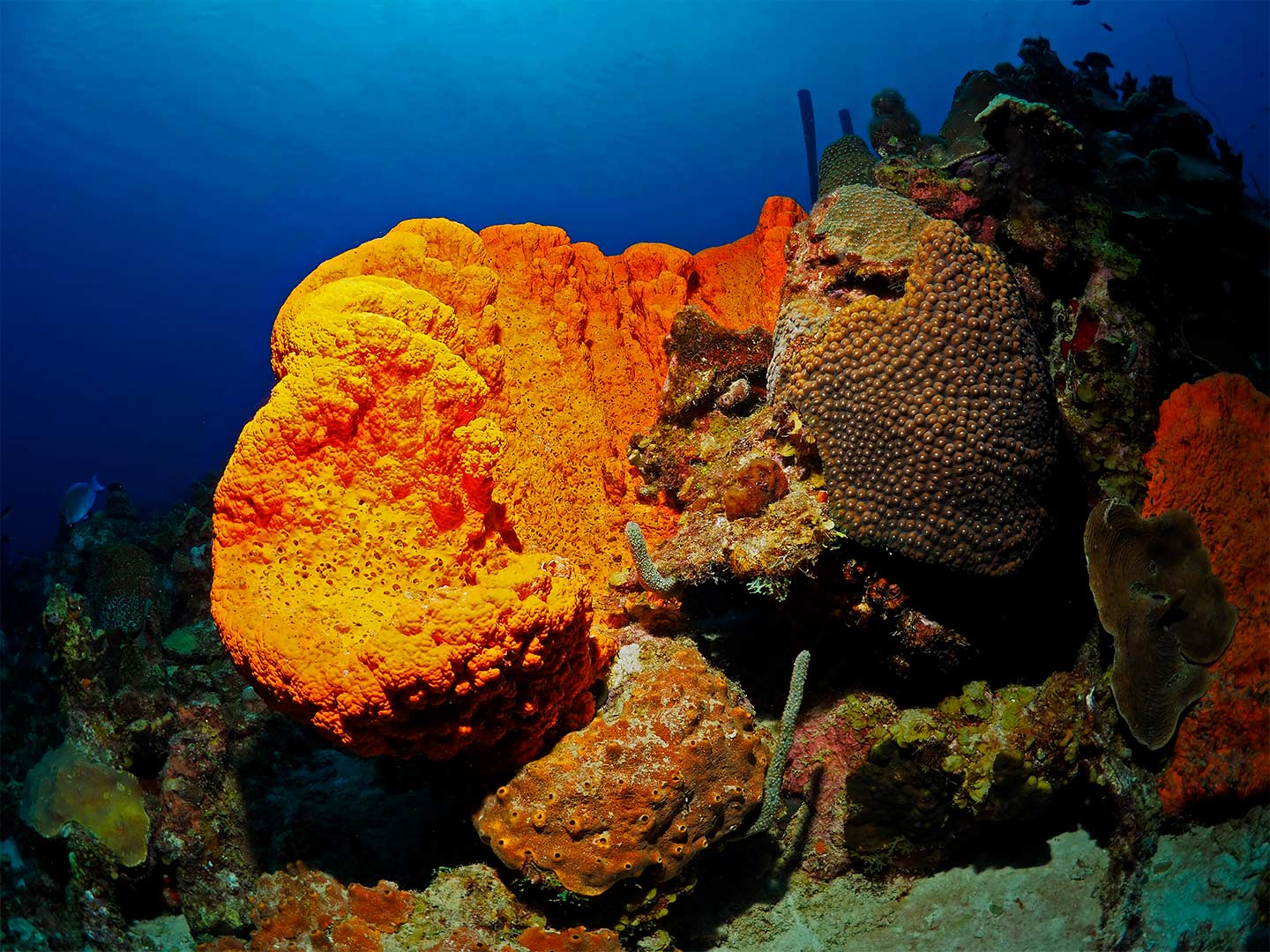
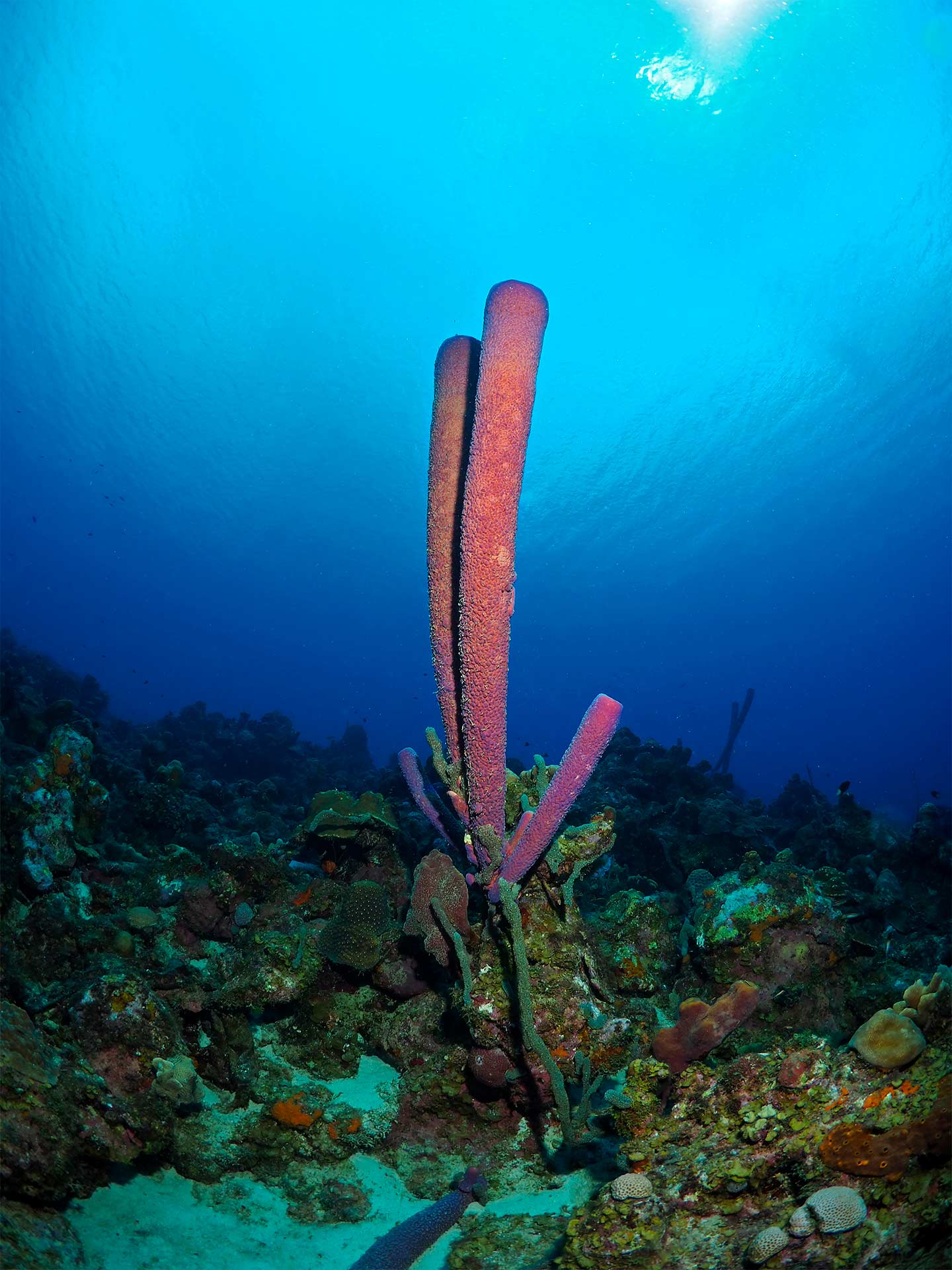
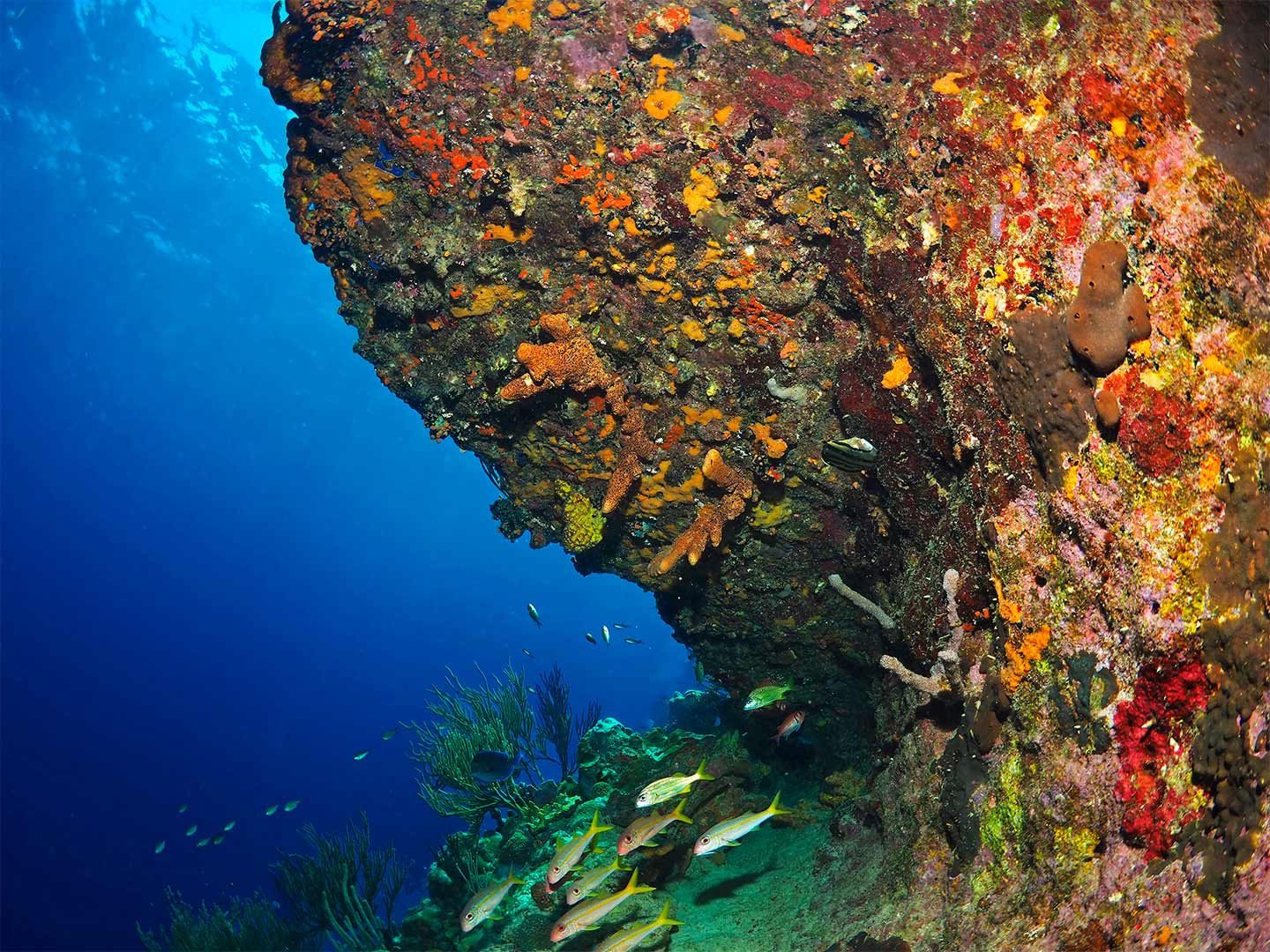
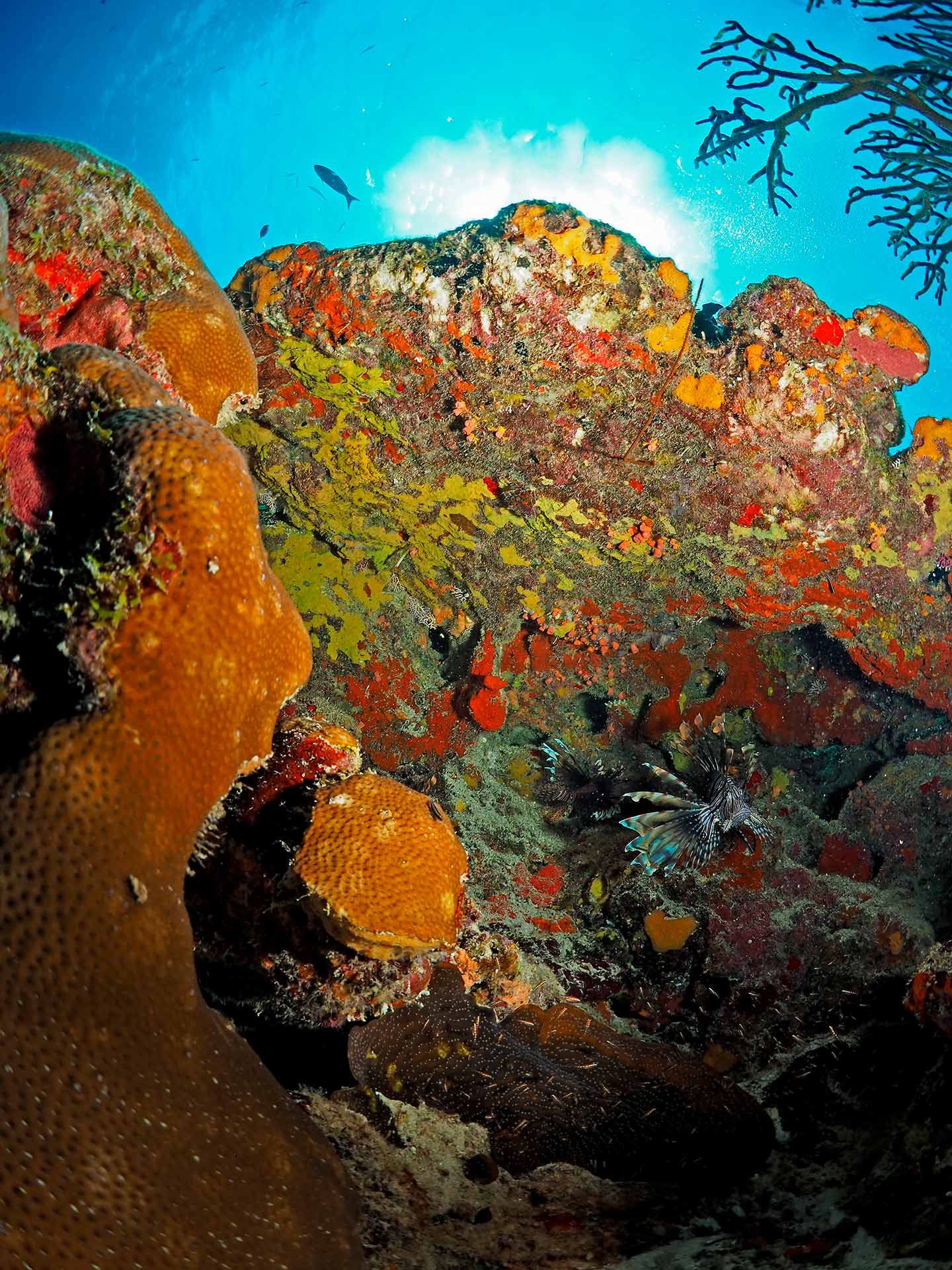
For a full description of each image, please click on the image to view at fullscreen size.
Encrusting sponges hidden in caves, overhangs and cavities under the reef can make up >30% of the entire benthic biomass on the reefs. Image Credits: Benjamin Mueller
There are over 7,000 species of sponges. Researchers studying these amazing animals have a bright future ahead as they incorporate genomics to inform population genetics, restoration efforts and conservation management strategies aimed to protect and understand these creatures for the future. In this UN decade of ecosystem restoration, sponges will be considered an important element in preserving and restoring many of the plethora of ecosystems that they inhabit.
So, the next time you have a shower or watch an episode of SpongeBob SquarePants, soak it up because sponges are here to stay.
This work was funded by the Gordon and Betty Moore Foundation through a grant (GBMF8897) to the Wellcome Sanger Institute to support the Aquatic Symbiosis Genomics (ASG) project.
Find out more
- Aquatic Symbiosis Genomics (ASG) project
- Gordon and Betty Moore Foundation
- Professor Ute Hentschel Humeida at GEOMAR Helmholtz Centre for Ocean Research
- Tree of Life programme at the Wellcome Sanger Institute
- Published protocols from the Sanger Institute's Aquatic Symbiosis Genomics Core Laboratory team


